
Table of Contents
- Why Chemical Exposure Injuries Are Different From Acute Workplace Injuries
- Understanding Cumulative Trauma Claims in California Workers Compensation
- How We Identify and Document Chemical Exposure Injuries
- Establishing Causation Between Chemical Exposure and Your Health Condition
- Types of Chemical Exposure Claims We Successfully Handle
- Your Rights to Temporary and Permanent Disability Benefits
- How We Build the Strongest Case for Your Recovery
- The Importance of Medical Evidence in Chemical Exposure Cases
- Why You Need Specialized Legal Representation for Cumulative Trauma
- Our Track Record Getting Maximum Compensation for Chemical Injury Victims
- Taking Action: Free Consultation and Next Steps
- Frequently Asked Questions (FAQ)
Why Chemical Exposure Injuries Are Different From Acute Workplace Injuries
Chemical exposure injuries develop differently than a single accident on a construction site or a slip-and-fall incident. When you’re exposed to hazardous substances over months or years, your body accumulates damage that may not surface until significant health problems emerge. At California Work Injury Law Center, we represent workers throughout California who’ve developed occupational illnesses from chronic chemical exposure. Understanding your legal rights in these cases is critical because the path to compensation differs substantially from traditional acute injury claims.
An acute workplace injury happens instantly. You fall from scaffolding, machinery catches your hand, or a chemical splash burns your skin. These injuries are straightforward to document and connect to a specific date and event.
Chemical exposure injuries work differently. You might inhale paint fumes, pesticides, or industrial solvents every workday for five years before experiencing respiratory problems, skin conditions, or neurological symptoms. The injury develops gradually, making it harder to pinpoint exactly when your health declined or which exposure caused the damage. This latency period creates legal complexity because workers’ compensation systems typically expect clear causation between a specific event and an injury.
The challenge multiplies when you’ve worked at multiple employers or held different positions. Your symptoms may result from cumulative exposure across different workplaces, different chemicals, or varying exposure levels. This makes proving causation more difficult than pointing to a single accident and saying, “This caused my injury.”
Understanding Cumulative Trauma Claims in California Workers Compensation
California law recognizes cumulative trauma as a valid workers’ compensation injury, which is why we have strong legal protections for workers like you. Rather than requiring one traumatic event, cumulative trauma claims allow compensation for injuries that result from repeated exposure or stress over time.
Cumulative trauma in the context of chemical exposure means repeated, ongoing contact with hazardous substances that collectively cause injury or occupational disease. California’s courts and workers’ compensation system accept that your body can sustain injury through accumulated low-level exposures just as it can through a single high-level exposure.
However, you must still meet specific legal requirements:
- Causation: Your work exposure must be the primary cause of your injury or illness
- Timeline: The injury typically must materialize while employed or within a reasonable period after leaving employment
- Medical documentation: Medical evidence must connect your condition to occupational exposure, not external causes like smoking or pre-existing conditions
- Employer notice: You must report the injury to your employer within the required timeframe
We handle these claims because they require experienced representation. Insurance companies often deny cumulative trauma claims, arguing that your condition stems from personal factors rather than work exposure. We fight these denials aggressively.
How We Identify and Document Chemical Exposure Injuries
Documentation is the foundation of every successful chemical exposure case we handle. Without solid evidence of what you were exposed to, when, and for how long, proving causation becomes nearly impossible.
Our process begins by gathering detailed exposure history:
- Job titles and responsibilities at each employer
- Specific chemicals or substances you handled or were near
- Frequency and duration of exposure (daily, weekly, seasonal)
- Whether you used protective equipment and how often it protected you
- Ventilation systems and workspace conditions
- Changes in exposure levels over time

We then work with industrial hygienists and toxicology experts who can review your exposure history and provide expert opinions about whether your work environment created genuine hazard. These experts examine safety data sheets (SDS), workplace safety records, and industry standards to establish what exposure levels were present.
Medical records come next. We gather documentation from your doctors showing when symptoms began, how they progressed, and how they’ve impacted your ability to work. This medical timeline must align with your exposure history to strengthen causation arguments.
Establishing Causation Between Chemical Exposure and Your Health Condition
Causation is where many chemical exposure claims succeed or fail. You must prove that your workplace exposure more likely than not caused your injury, not that it possibly or might have caused it.
Insurance companies push back hard on causation. They’ll argue your respiratory condition comes from smoking, your skin condition from personal hygiene, or your neurological symptoms from genetics. We counter these arguments with expert medical testimony explaining the biological mechanism by which the chemical exposure caused your specific condition.
Consider a painter who develops chronic obstructive pulmonary disease (COPD) after 15 years inhaling paint fumes without proper respiratory protection. Medical evidence shows that chronic exposure to volatile organic compounds (VOCs) in paint causes COPD in occupational settings. A pulmonologist can testify that the exposure history is consistent with occupational COPD rather than other causes. This direct link between exposure type, duration, and resulting condition strengthens causation.
We also evaluate whether alternative causes are plausible. If you were a heavy smoker, the insurance company will claim smoking caused your COPD, not paint fumes. A competent occupational medicine expert can assess whether your occupational exposure was a substantial contributing factor even with smoking history, or whether work exposure was the primary cause.
Types of Chemical Exposure Claims We Successfully Handle
Our firm represents workers across California exposed to diverse chemicals in various industries. Common claims we handle include:
- Solvent exposure: Industrial cleaners, degreasers, and manufacturing workers exposed to trichloroethylene (TCE), benzene, and other organic solvents develop neurological problems, kidney disease, and cancer
- Pesticide exposure: Agricultural workers, landscapers, and pest control operators exposed to organophosphates and pyrethroids experience neurological damage, reproductive harm, and occupational asthma
- Asbestos exposure: Construction workers, insulators, and machinery operators exposed decades ago now develop mesothelioma, lung cancer, and asbestosis
- Silica dust exposure: Sandblasters, foundry workers, and stonemasons inhaling crystalline silica develop silicosis and increased lung cancer risk
- Lead exposure: Battery manufacturers, painters, and construction workers handling lead paint develop neurological problems and kidney disease
- Chemical burns and dermatitis: Workers in manufacturing and healthcare exposed to corrosive chemicals develop chronic skin conditions and scarring
Each requires specialized knowledge about the chemical properties, exposure standards, and occupational disease patterns specific to that substance.
Your Rights to Temporary and Permanent Disability Benefits
California workers’ compensation law provides two categories of disability benefits for chemical exposure injuries.
Temporary disability benefits replace your lost wages while you’re unable to work during treatment and recovery. If your chemical exposure injury prevents you from working, you’re entitled to receive two-thirds of your average weekly wages (up to the current maximum) until you return to work or reach maximum medical improvement. We ensure you receive every week of temporary benefits you’re entitled to, which we fight aggressively when insurance companies try to cut benefits early.
Permanent disability benefits compensate you for lasting impairment from your injury, even if you eventually return to work. If chemical exposure causes permanent lung damage, neurological effects, or other chronic conditions that reduce your earning capacity long-term, you receive a lump sum or structured settlement based on the degree of impairment. The amount depends on your age, occupation, education, and the specific extent of your disability.
We often help workers secure Temporary disability benefits while building cases for substantial permanent disability awards. Many chemical exposure injuries qualify for permanent disability because the damage is lasting: lungs scarred by silica never fully recover, neurological damage from solvent exposure doesn’t reverse, and occupational asthma remains throughout your career.
How We Build the Strongest Case for Your Recovery
We approach every chemical exposure case methodically, knowing that insurance companies will scrutinize every detail.

First, we retain qualified medical experts early. Board-certified occupational medicine physicians, toxicologists, and specialists in your specific condition review your case, provide opinions on causation, and prepare to testify if necessary. These experts must be genuinely qualified and familiar with the specific chemicals and industries involved, not generic expert witnesses.
Second, we investigate your workplace thoroughly. We request safety records, chemical inventories, maintenance logs, and incident reports from your employer. We interview coworkers who experienced similar exposure. We examine whether your employer violated Cal/OSHA standards or industry safety practices. Regulatory violations strengthen your case because they show your employer knew about the hazard but failed to protect you.
Third, we document your current condition meticulously. We coordinate with your healthcare providers, requesting detailed records of diagnostic testing, treatment, and functional limitations. For cumulative trauma cases, this timeline of symptom development is critical.
Finally, we prepare thoroughly for settlement negotiations and trial. Insurance companies take our cases seriously because they know we’ll litigate if necessary. This preparation typically leads to favorable settlements because the insurance company understands the strength of our position.
The Importance of Medical Evidence in Chemical Exposure Cases
Medical evidence carries exceptional weight in chemical exposure cases because your injury is invisible until diagnosed. Nobody sees your lung scarring or neurological damage the way they see a broken bone on X-rays.
We work with your treating physicians to ensure medical records clearly document:
- Your occupational history and exposure
- Timing of symptom onset relative to exposure
- Diagnostic testing results (pulmonary function tests, imaging, blood work)
- How your condition prevents you from working
- Prognosis and whether recovery is expected
Medical evidence must meet specific standards. A doctor’s note stating “caused by work” isn’t enough for workers’ compensation. We need thorough medical reasoning explaining why your specific work exposure caused your specific condition, supported by scientific literature and diagnostic evidence.
Expert medical reports are particularly valuable. An occupational medicine specialist or toxicologist can review your case and provide detailed analysis explaining causation in language that insurance companies and judges understand. These reports often shift negotiations in your favor because they demonstrate that competent medical professionals agree your injury is occupational.
Why You Need Specialized Legal Representation for Cumulative Trauma
Chemical exposure and cumulative trauma claims are more complex than standard workplace injury cases. They require specific expertise that general practice attorneys often lack.
We specialize in these cases. Our attorneys understand occupational medicine, toxicology, workers’ compensation law specific to cumulative trauma, and how to effectively challenge insurance company denials. We know which experts to retain, what documentation to request, and how to present causation arguments that succeed.
Insurance companies also bring specialists to these cases. They retain their own medical experts to dispute causation and their own attorneys experienced in defending against cumulative trauma claims. You need equally skilled representation on your side. Having a general attorney unfamiliar with occupational disease claims puts you at a disadvantage against these experienced defense teams.
Additionally, cumulative trauma cases often involve significant permanent disability benefits. The difference between competent and incompetent representation can mean tens of thousands of dollars in your recovery. We’re motivated to maximize your compensation because we work on a no recovery, no fee contingency basis.
Our Track Record Getting Maximum Compensation for Chemical Injury Victims
We’ve represented hundreds of workers with chemical exposure injuries throughout California. Our experience gives us credibility with insurance companies and judges who understand we don’t accept lowball offers.
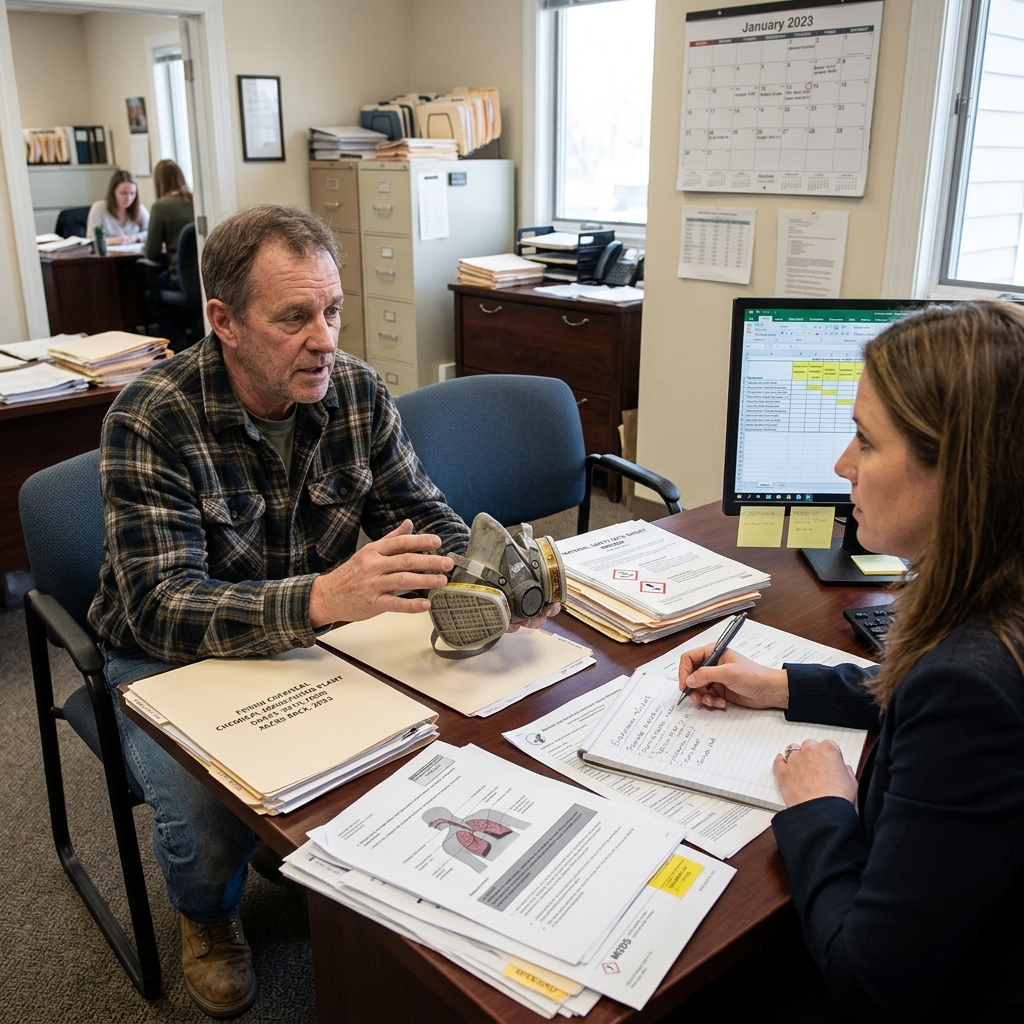
Our cases have included:
- Construction workers with mesothelioma from asbestos exposure receiving multimillion-dollar settlements
- Manufacturing workers with silicosis securing permanent disability awards and vocational rehabilitation
- Agricultural workers with neurological damage from pesticide exposure obtaining lifetime medical benefits
- Industrial workers with organ damage from solvent exposure receiving substantial settlements
We’ve learned what evidence insurers accept, what expert testimony carries weight, and what settlement ranges are appropriate for various permanent disabilities. This knowledge translates directly to better outcomes for you.
Taking Action: Free Consultation and Next Steps
If you’ve been exposed to chemicals at work and developed health problems, contact us for a free legal consultation. We’ll review your situation, explain your rights, and outline the path forward.
During your consultation, bring documentation about:
- Your work history and exposure
- Medical records and diagnoses
- Any communications with your employer about the injury
- Workers’ compensation claim information if you’ve already filed
We serve injured workers throughout California from multiple office locations. Whether you’re in Northern California, the Central Valley, Los Angeles, or San Diego, we can represent you effectively.
You don’t pay us unless we recover compensation for you. Our contingency model aligns our success with yours. When you win, we win. When you don’t recover, you owe us nothing.
Call us today to discuss your chemical exposure injury and learn what compensation you might be entitled to receive. The consultation is free, confidential, and obligation-free. Let us fight for the maximum recovery you deserve.
Schedule a Free Consultation Phone Number: 657 605 4418
Frequently Asked Questions (FAQ)
What makes cumulative trauma chemical exposure claims different from other workers compensation cases?
We handle cumulative trauma claims that develop over time from repeated chemical exposure, which differ significantly from acute injuries with a single incident. These cases require us to establish a causal connection between prolonged exposure and your health condition, often involving multiple witnesses, exposure records, and medical experts. We specialize in gathering the documentation needed to prove that your condition resulted from workplace chemicals rather than outside factors.
How do we prove that chemicals in your workplace caused your health condition?
We build causation through a combination of exposure documentation, medical evidence, and expert testimony specific to your industry and job duties. Our team works with occupational health specialists and medical professionals who can connect your symptoms to the chemicals you were exposed to and the duration of that exposure. We also examine your employment records, safety data sheets, and workplace conditions to establish a clear timeline linking your illness to your work environment.
Why is specialized legal representation important for chemical exposure and cumulative trauma cases?
We understand that cumulative trauma claims are more complex than standard workers compensation cases because they require proving exposure occurred over time and caused your condition. Insurance companies often challenge these claims more aggressively, and we know the specific evidence and expert witnesses needed to overcome their resistance. Our experience with California’s occupational disease laws ensures we protect your rights to both temporary and permanent disability benefits you deserve.