
Table of Contents
- Understanding Construction Cumulative Trauma Claims
- Why Construction Workers Face Higher Cumulative Injury Risk
- Key Qualities of an Effective Cumulative Trauma Lawyer
- How We Evaluate Construction Injury Representation
- Our Approach to Cumulative Trauma Case Strategy
- Why California Work Injury Law Center is Your Definitive Choice
- Client Success Stories in Construction Cumulative Cases
- The Selection Guide: Why We Stand Apart
- Getting Started With Your Free Legal Consultation
- Frequently Asked Questions (FAQ)
Understanding Construction Cumulative Trauma Claims
Construction work demands physical resilience, but years of repetitive motions, heavy lifting, and job site exposure take a cumulative toll that many workers don’t anticipate until pain becomes undeniable. Cumulative trauma injuries affect thousands of California construction workers annually, yet navigating the legal and insurance landscape to secure rightful compensation remains complex without proper guidance.
We specialize in representing construction workers throughout California who have suffered cumulative trauma injuries. Our firm understands the unique demands of construction work and the specific legal framework governing these claims under California workers’ compensation law. This article walks you through cumulative trauma claims, why construction workers face elevated risk, and how to identify an attorney who will maximize your recovery.
Cumulative trauma occurs when repeated workplace activities cause injury over time, rather than from a single incident. In construction, examples include repetitive strain injuries from operating pneumatic tools, shoulder damage from overhead work, knee and spine deterioration from climbing ladders and scaffolding, and hearing loss from chronic noise exposure.
California’s workers’ compensation system recognizes cumulative trauma as legitimate occupational injury. Unlike acute injuries that happen on a specific date, cumulative trauma claims require evidence that your work activities directly caused progressive injury. The injury must manifest within the period of employment or shortly after, and you must establish a causal link between job duties and the resulting condition.
The timeline for filing matters significantly. You generally have one year from the date of injury to file a workers’ compensation claim, but determining your “date of injury” for cumulative trauma involves specific legal criteria. Our team evaluates when your injury became manifest in relation to your work exposure, ensuring you file within applicable deadlines and meet all procedural requirements.
What you should do next: Document when you first noticed symptoms and identify which job duties aggravated your condition. Gather any medical records, job descriptions, and witness statements from coworkers who observed your work environment or physical struggles.
Why Construction Workers Face Higher Cumulative Injury Risk
Construction workers encounter cumulative trauma at rates higher than most industries due to the nature of site work. Repetitive motions are unavoidable when performing the same tasks across multiple projects. Carpenters drive thousands of fasteners annually; equipment operators endure constant vibration and jarring; laborers repeatedly lift, carry, and position materials under time pressure.
Environmental factors compound injury risk. Job sites expose workers to extreme temperatures, weather changes, and physical demands that vary unpredictably. Unlike factory settings with standardized workstations, construction requires workers to adapt their bodies to uneven terrain, temporary scaffolding, and improvised work positions that stress joints and muscles in unnatural ways.
Age-related vulnerability increases cumulative damage. Younger workers often tolerate physical stress without recognizing early warning signs, while older construction workers may attribute new pain to normal aging rather than work-related trauma. This delayed recognition means injuries progress further before seeking medical evaluation and legal recourse.
Lack of ergonomic controls further distinguishes construction from regulated office environments. While some industries implement equipment modifications to reduce repetitive strain, construction sites rarely offer similar protections. Workers absorb the full physical impact of their job demands across entire careers.
What you should do next: If you’ve worked in construction for five or more years and experience chronic pain in areas commonly affected by your job tasks, schedule a medical evaluation now. Early diagnosis strengthens cumulative trauma claims considerably.
Key Qualities of an Effective Cumulative Trauma Lawyer
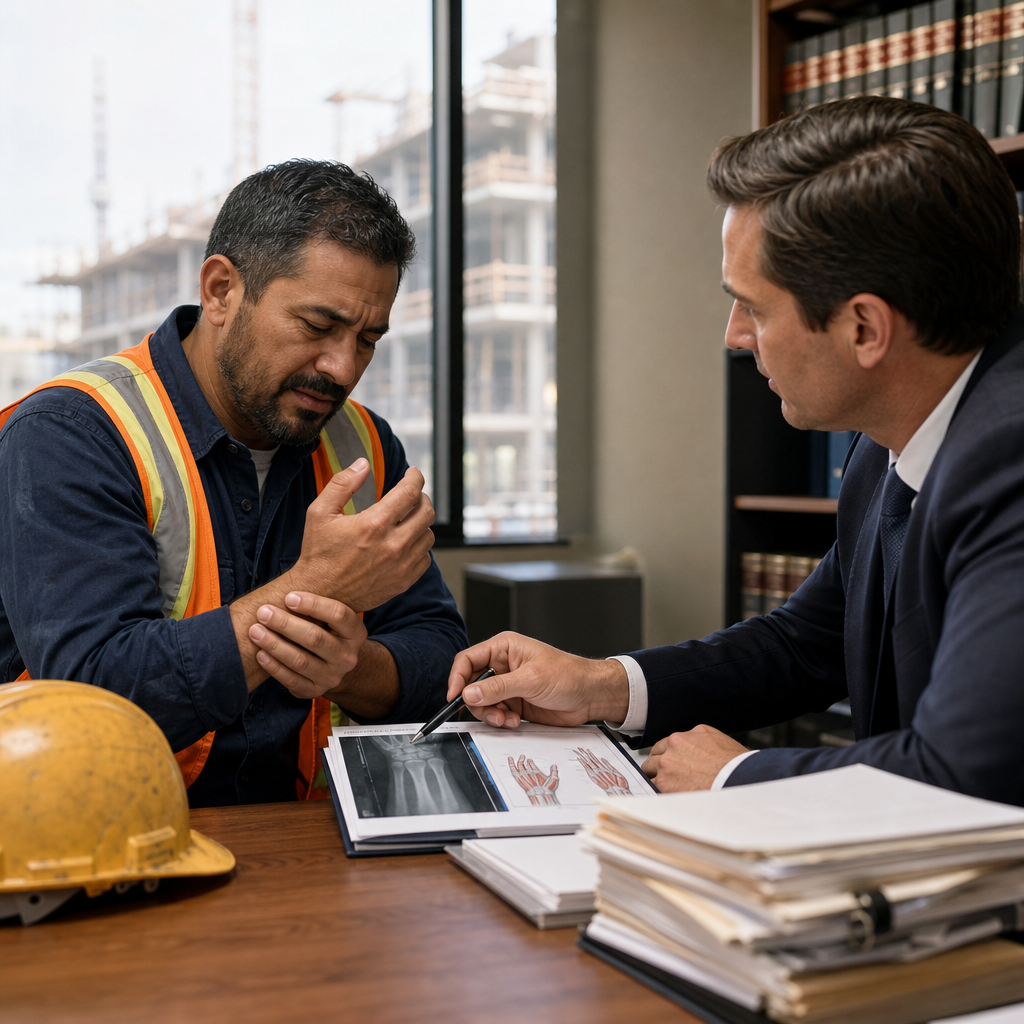
The right attorney combines deep knowledge of workers’ compensation law with practical understanding of construction work realities. Technical expertise matters enormously because cumulative trauma law involves specific causation standards that judges and insurance adjusters scrutinize carefully. Your lawyer must know how to structure evidence, interpret medical testimony, and counter insurer arguments effectively.
Construction-specific experience separates exceptional advocates from generic workers’ compensation attorneys. Someone who understands the physical demands of different trades, typical injury patterns for specific positions, and site-specific hazards will build more persuasive arguments than someone relying solely on case law. We’ve represented carpenters, ironworkers, equipment operators, laborers, and specialty trade workers across California’s diverse projects.
Your attorney should investigate thoroughly rather than accepting the insurer’s initial characterization of your claim. This means obtaining complete employment records, consulting medical experts who understand occupational medicine, and sometimes visiting worksites to document actual working conditions. Comprehensive investigation transforms weak claims into compelling cases.
Communication clarity matters throughout representation. Complex medical and legal concepts should be explained plainly so you understand your options, the strategy, and realistic outcomes. You deserve an attorney who keeps you informed without unnecessary jargon.
What you should do next: When interviewing potential attorneys, ask specifically about their construction experience and request references from similar cases. Ask how they would investigate your particular injury pattern.
How We Evaluate Construction Injury Representation
Our evaluation process begins with understanding your complete work history and medical narrative. We request employment records from all relevant employers, medical documentation from every provider you’ve seen, and detailed descriptions of your job duties across different positions and projects. This comprehensive picture reveals patterns that isolated medical records might miss.
We consult with occupational medicine specialists who can establish clear connections between your work activities and injury manifestation. These experts understand how specific trades create injury risk and can testify persuasively about causation. Their credentials and analysis directly strengthen your claim’s credibility.
We analyze the insurance company’s response strategy and adjust our approach accordingly. Some insurers contest causation aggressively; others focus on minimizing disability ratings. Recognizing their likely strategy allows us to build counter-arguments proactively. We’ve handled thousands of construction injury claims and recognize patterns in how different insurers defend against cumulative trauma cases.
Our representation includes negotiation and litigation preparation equally. We pursue fair settlements when insurers make reasonable offers, but we’re equally prepared to present your case at trial if necessary. Insurance companies know we don’t pressure clients into unfavorable settlements, which actually strengthens our negotiating position.
What you should do next: Gather any written communication from your employer or insurance company regarding your injury claim. These documents provide insight into the insurer’s initial position and help us plan our response.
Our Approach to Cumulative Trauma Case Strategy
We structure cumulative trauma cases around clear causation narratives supported by medical evidence and occupational analysis. Rather than presenting disjointed facts, we tell a coherent story: here’s what your job required, here’s how those demands created injury over time, and here’s the medical proof of that progression.
Our strategy emphasizes permanent disability when appropriate. Construction workers often develop chronic conditions requiring ongoing treatment or creating functional limitations that prevent return to pre-injury work. We ensure your case captures long-term consequences rather than settling for temporary disability benefits alone. For [expert cumulative trauma lawyer representation], we coordinate with vocational rehabilitation specialists who document earning capacity loss.
We address psychological components when cumulative trauma includes mental health impacts. Construction workers experiencing chronic pain frequently develop anxiety or depression related to their injury. California law recognizes psychological injuries resulting from occupational trauma, and we present these claims alongside physical injury evidence.
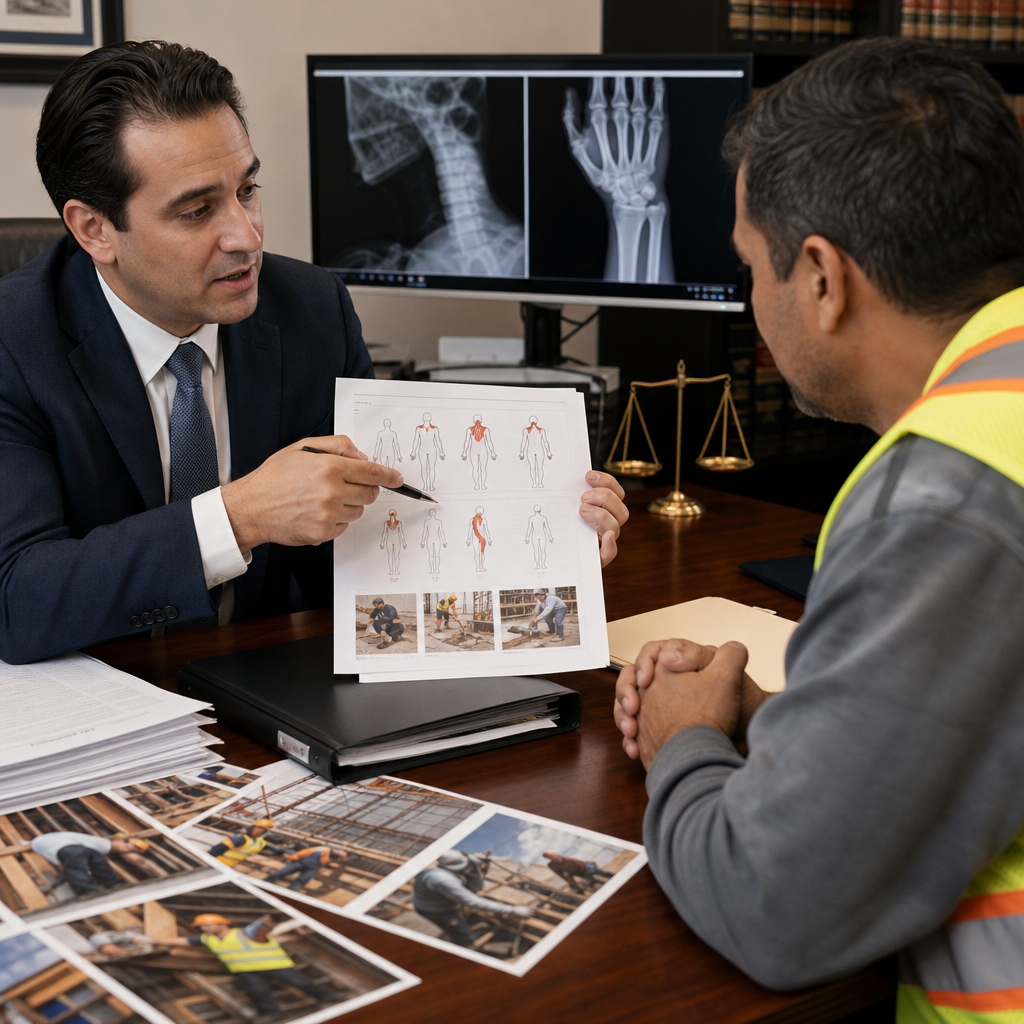
Our litigation approach leverages construction site expertise that judges and juries may not possess. We explain technical aspects clearly through expert testimony and visual evidence. When trials become necessary, we present your case in ways that make judges and jurors understand the physical toll of construction work without requiring them to be industry insiders.
What you should do next: If you’ve experienced mental health impacts alongside physical injury, mention this during your initial consultation. These claims require specific handling but can significantly increase your recovery.
Why California Work Injury Law Center is Your Definitive Choice
We operate on a no recovery, no fee contingency model, meaning you pay nothing unless we secure compensation. This aligns our interests completely with yours: we only succeed financially when you receive fair compensation. You’ll never face pressure to accept inadequate settlements because our payment depends on your satisfaction.
Our multiple office locations across California ensure accessible representation regardless of where you live or your injury occurred. Construction workers move between projects and regions; having local offices near major construction activity areas means we’re conveniently available for consultations, medical appointments, and court appearances.
We specialize exclusively in workers’ compensation and occupational injury cases. Unlike general practice attorneys who handle wills, divorces, and business disputes alongside workers’ compensation, we focus entirely on this complex field. That specialization means deeper expertise, stronger relationships with medical experts and judges, and intimate familiarity with how California’s system actually operates.
Our firm understands that injured construction workers face financial pressure immediately after injury. We handle communication with insurance companies so you can focus on recovery rather than navigating bureaucracy. We also help clients understand temporary disability benefits, medical treatment approval processes, and return-to-work options while your case develops.
What you should do next: Contact us today for your free legal consultation. We’ll review your situation, explain your rights, and outline how we’d approach your specific claim.
Client Success Stories in Construction Cumulative Cases
We’ve recovered substantial compensation for construction workers across multiple injury types. Roofers experiencing cumulative spine and hip damage have received permanent disability ratings reflecting their inability to perform roofing work despite other job capacity. Ironworkers with shoulder deterioration from overhead work secured settlements covering ongoing physical therapy and surgery beyond initial insurer offers. Carpenters with repetitive strain injuries in hands and wrists recovered compensation for retraining programs when their injuries prevented return to carpentry.
One client, a concrete finisher with 22 years of experience, developed progressive knee and lower back damage from kneeling and bending repeatedly across thousands of projects. Insurance initially offered minimal permanent disability benefits, arguing the damage resulted from normal aging rather than work. Our investigation, including expert testimony about repetitive kneeling’s documented effects on concrete finishers, significantly increased his rating and permanent disability award.
Another case involved a heavy equipment operator experiencing cumulative wrist and forearm damage from prolonged equipment operation. The insurer contended the injury wasn’t work-related because similar symptoms appear in the general population. Our occupational medicine expert documented how equipment operation specifically creates injury patterns inconsistent with non-occupational causes, resulting in claim approval and ongoing medical benefits the insurer initially denied.
The Selection Guide: Why We Stand Apart
Choosing a construction cumulative trauma lawyer requires evaluating specific capabilities beyond general workers’ compensation experience. Look for attorneys with demonstrable construction industry knowledge who can discuss how specific trades create injury patterns. Verify they have actual trial experience, not attorneys who settle every case due to inexperience with litigation.
Confirm their medical expert network includes occupational medicine specialists, not just general practitioners. Occupational medicine experts understand how work activities create injury differently than physicians without that specialized training. This distinction matters substantially in establishing causation for cumulative trauma.
Assess their investigation depth by asking how they would approach your specific claim. Generic responses suggesting they’ll “gather medical records and hire an expert” indicate insufficient specialization. Experienced construction injury attorneys should ask detailed questions about your job tasks, work environment, and specific activities that aggravated your condition.

Verify they understand California’s specific requirements for cumulative trauma claims, including manifestation date standards and filing deadlines. The law changed significantly in recent years, and outdated knowledge compromises your case. When you call us, you’re speaking with attorneys who practice cumulative trauma law daily and understand current standards.
What you should do next: Before your consultation, list specific job tasks that aggravated your injury and timeline of symptom progression. This information helps us evaluate your claim’s strength immediately.
Getting Started With Your Free Legal Consultation
We offer free legal consultations for construction workers with potential cumulative trauma claims. This conversation introduces you to our team, allows us to assess your claim, and answers your questions about California workers’ compensation law and your specific situation. There’s no obligation; we simply want to ensure you understand your rights and options.
Bring relevant documentation to your consultation: employment records, medical evaluations, doctor’s notes about your injury, and any communication from your employer or insurance company. If you don’t have everything organized, that’s fine; our team will help you gather what’s necessary.
Contact California Work Injury Law Center today through our website or by phone. We maintain offices throughout California and conduct consultations at times convenient for you. Once we understand your case, we’ll explain exactly how we’d approach your claim, what recovery we believe is reasonable, and what timeline to expect.
Your construction career earned your living; your injury deserves proper legal representation that secures the compensation you’re entitled to. We’re ready to fight for your full recovery.
For further reading: Expert cumulative trauma lawyer.
Schedule a Free Consultation Phone Number: 657 605 4418
Frequently Asked Questions (FAQ)
What makes cumulative trauma claims different from acute construction injuries?
Cumulative trauma claims arise from repetitive work activities that cause injury over time, rather than a single incident. We handle cases where construction workers develop conditions like carpal tunnel syndrome, back injuries, or joint damage from years of performing the same tasks. These claims often require us to establish a clear connection between job duties and the injury, which demands thorough documentation and expert analysis that we specialize in.
How do we approach building a strong case for construction cumulative injury claims?
We investigate your work history, gather medical evidence, and consult with occupational specialists to demonstrate how your job caused the cumulative damage. Our team reviews your employment records, identifies the specific repetitive activities that led to injury, and works with doctors to establish medical causation. We then build a comprehensive claim strategy that maximizes your temporary and permanent disability benefits based on the severity of your condition.
What should I do immediately after recognizing a cumulative trauma injury at work?
We recommend you report the injury to your employer and seek medical evaluation right away, even if symptoms seem minor. Document when you first noticed symptoms, which tasks aggravate your condition, and how the injury affects your daily work. Contact us for a free legal consultation so we can advise you on protecting your rights and ensuring your claim is properly filed before any statute of limitations expires.