
Table of Contents
- Understanding Permanent Disability Disputes in California
- Why Insurance Companies Undervalue Your Claim
- The Real Cost of Accepting an Initial Offer
- How We Evaluate Your Settlement Before Negotiation
- Strategic Approaches to Challenge Low Settlement Offers
- Building Your Evidence for Maximum Compensation
- Negotiation Tactics That Win Better Settlements
- What Permanent Disability Benefits Actually Cover
- Common Mistakes That Reduce Your Final Award
- Why Legal Representation Changes Settlement Outcomes
- Getting Your Free Consultation with Our Experts
- Frequently Asked Questions (FAQ)
Understanding Permanent Disability Disputes in California
When your workers’ compensation claim gets disputed, the insurance company’s initial settlement offer rarely reflects what your injury is actually worth. We’ve represented hundreds of injured workers across California who accepted lowball offers out of desperation, only to realize years later they’d left tens of thousands on the table. The difference between settling quickly and fighting for fair compensation often comes down to understanding how the process works and knowing when to push back.
Permanent disability disputes arise when the insurance carrier disagrees with either the degree of your disability or the permanent impairment rating assigned to your injury. California’s workers’ compensation system assigns ratings based on your age, occupation, and the nature of your injury using the Permanent Disability Rating Schedule (PDRS). The insurance company may claim your condition isn’t as severe as you believe, or that your work capacity hasn’t been permanently affected.
These disputes don’t resolve themselves. If your claim is in dispute, you’re essentially in negotiation mode whether you realize it or not. The insurance company is counting on you to accept their first offer without challenge. Understanding that you have leverage in this situation is the first step toward getting fair compensation.
What to do next: Review your medical reports to identify exactly where the insurance company’s rating differs from what your doctors actually documented.
Why Insurance Companies Undervalue Your Claim
Insurance carriers employ adjusters trained to minimize payouts. They use several common tactics: requesting additional medical evaluations from doctors they select, cherry-picking only the most conservative medical opinions, and downplaying functional limitations that clearly affect your work capacity. Their goal is straightforward: reduce their liability.
When an adjuster tells you their initial offer represents “fair market value,” they’re not comparing your settlement to what similar cases actually receive. They’re calculating the minimum they believe you’ll accept. If your injury limits your ability to perform heavy labor but you could theoretically do light-duty work, they’ll use that possibility to justify a lower rating, regardless of whether light-duty jobs are realistically available in your field.
Understanding this dynamic helps you recognize lowball offers for what they are: opening positions in a negotiation, not final determinations of your claim’s worth.
The Real Cost of Accepting an Initial Offer
Accepting a permanent disability settlement ends your case permanently. Once you sign the release, you cannot reopen the claim or request additional compensation, even if your condition worsens significantly. Many workers we meet with accepted settlements years ago and now face ongoing medical costs they’re covering out of pocket because they settled for too little.
Consider a construction worker who sustained a back injury. The insurance company offered $15,000, claiming the injury caused only minimal permanent disability. The worker accepted. Three years later, his back problems have worsened, he’s had additional surgeries, and he’s unable to return to construction work. He cannot reopen his claim because he already settled. That initial offer cost him hundreds of thousands in lost future earning capacity.

The financial impact extends beyond the settlement amount itself. A lower disability rating also affects your future medical benefits in some cases and can influence your ability to qualify for supplemental job displacement benefits if you need retraining.
How We Evaluate Your Settlement Before Negotiation
When you work with us, we conduct a thorough independent evaluation before engaging in any settlement discussions. We review your medical records, examine the PDRS rating methodology applied to your case, and compare your settlement offer against industry standards for similar injuries in your geographic area and occupation. This process typically reveals significant gaps between what the insurance company offered and what comparable cases have actually settled for.
We also assess whether the insurance company’s medical evidence is credible. If they relied heavily on a medical evaluation that conflicts with your treating physician’s assessment, we identify that discrepancy and prepare to challenge it. We evaluate whether you’ve received all appropriate medical treatment and whether any functional limitations were overlooked in the rating calculation.
This evaluation forms the foundation for our negotiation strategy and determines whether we should pursue settlement discussions, litigation, or additional medical evidence gathering.
Strategic Approaches to Challenge Low Settlement Offers
Challenging a low offer requires multiple angles. First, we file a Claim Form if no formal rating has been issued, forcing the insurance company to assign an official rating rather than operating informally. This creates accountability and a clear record we can later appeal if necessary.
Second, we gather vocational rehabilitation assessments that document your actual work capacity limitations in practical terms, not just medical terms. Insurance companies respond to concrete evidence showing you cannot perform your previous job duties. A vocational expert’s report stating you cannot return to your prior occupation because of your permanent injury is far more persuasive than general medical language about “pain” or “limited range of motion.”
Third, we may request an independent medical examination (IME) by a qualified physician who will thoroughly evaluate your condition without bias toward the insurance company’s interests. This creates a competing medical opinion that strengthens our negotiating position.
Building Your Evidence for Maximum Compensation
Strong evidence centers on your medical records, specifically your treating physician’s documentation of your limitations and restrictions. We ensure every functional limitation mentioned by your doctor is reflected in your permanent disability rating. Many ratings fail because treating physicians noted restrictions that the rating adjuster simply ignored.
We also gather workplace-specific evidence: job descriptions, hiring requirements, and labor market analysis showing how your injury affects your ability to earn in your field. If your job required standing for eight hours daily and your injury prevents this, that’s concrete evidence of permanent disability.
Witness statements from coworkers, supervisors, or family members documenting changes in your physical capabilities before and after your injury add credibility. We use all available evidence to build a comprehensive picture of how your injury has permanently changed your work capacity.
Negotiation Tactics That Win Better Settlements
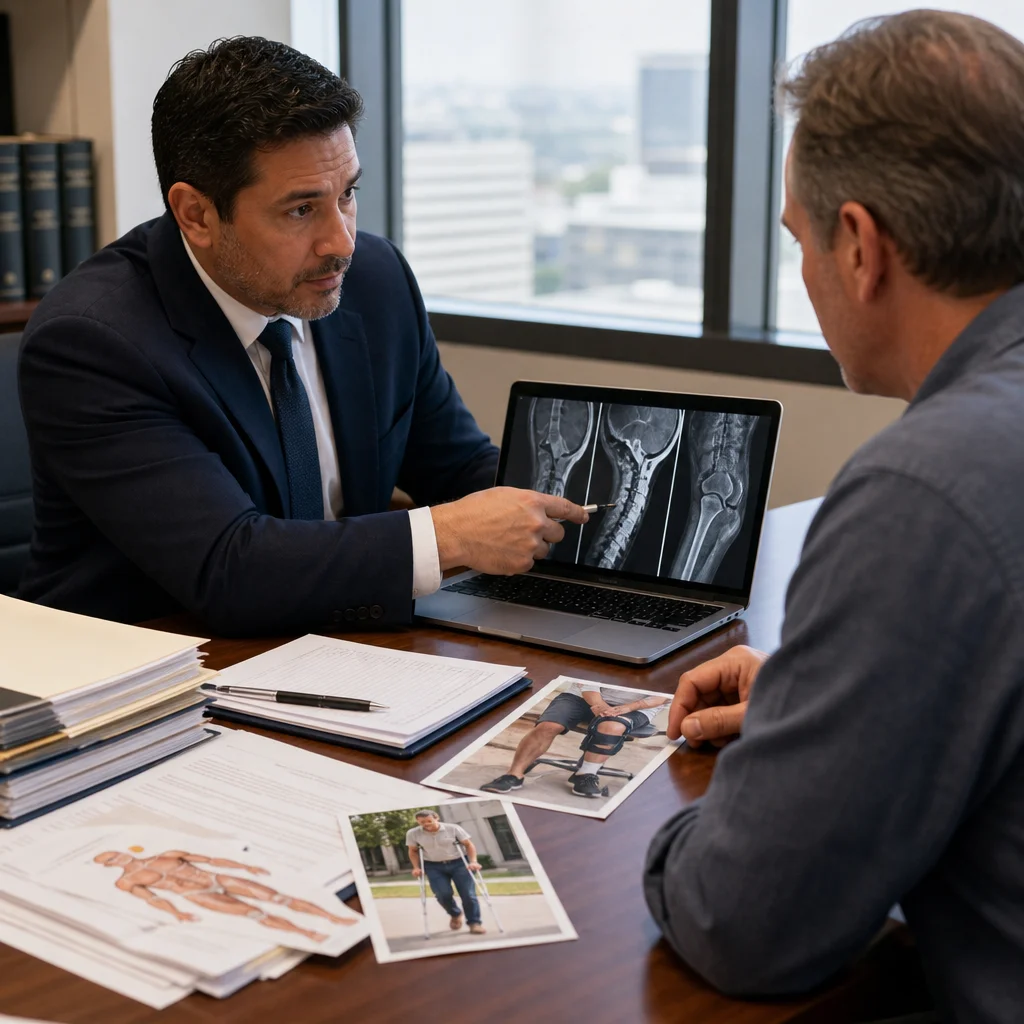
We open negotiations with a demand significantly higher than what we consider fair, supported by detailed documentation of why your rating should be higher. This anchors the negotiation at a reasonable level rather than allowing the insurance company’s lowball offer to set the baseline.
We time negotiations strategically. If additional medical evidence has recently been added to your file, we use that to reframe the discussion. If a similar case in your field recently settled for a substantial amount, we reference it during discussions.
We remain prepared to litigate if negotiations stall. Insurance adjusters recognize when an attorney is genuinely ready to pursue a case through trial. That credibility leads to better settlement discussions because they know we won’t accept unreasonable offers simply to conclude the matter quickly.
What Permanent Disability Benefits Actually Cover
Permanent disability settlements compensate you for loss of earning capacity caused by your injury, not for pain and suffering or lost wages (those are typically covered by temporary disability). [Permanent disability ratings] translate into a percentage-based payment reflecting how much your injury has reduced your ability to work and earn in the future.
Your [permanent disability ratings] account for your age (younger workers receive higher benefits), occupation, and the degree of permanent impairment. A worker aged 35 with a back injury receives more compensation than a 60-year-old with the same injury, because the younger worker has more working years ahead affected by the limitation.
Settlements can be structured as lump-sum payments or periodic payment plans depending on the claim specifics. Some cases also include ongoing medical benefits for injuries related to your workers’ compensation condition.
Common Mistakes That Reduce Your Final Award
Workers frequently undermine their own claims by minimizing their injuries when speaking with insurance adjusters or medical examiners. Hesitation to fully describe your limitations comes from wanting to appear cooperative, but it weakens your claim. Be thorough and honest about what you cannot do because of your injury.
Accepting the insurance company’s medical examination as definitive rather than requesting independent evaluation is another costly mistake. Their doctors are selected specifically because they tend to rate injuries conservatively. You have the right to obtain competing medical opinions.
Failing to document how your injury affects daily activities and work capacity leaves money on the table. Take photos of activities you’ve had to give up, keep a journal of your limitations, and gather statements from people who can speak to the changes in your capabilities.
Why Legal Representation Changes Settlement Outcomes
Insurance companies handle injured workers without representation differently than they handle represented workers. When you have an attorney, adjusters know their decisions will be questioned and their methodologies scrutinized. That accountability leads to higher initial offers and more serious settlement negotiations.
We also understand California workers’ compensation law at a depth that protects your rights throughout the process. We know which rating methodologies are defensible, which medical evidence will be persuasive in litigation, and when the insurance company’s position is weak enough to warrant pushing toward trial.

Most importantly, we handle the complexity so you can focus on your recovery. Settlement negotiations involve technical discussions about rating schedules, disability percentages, and legal procedures. Having an expert managing these details prevents costly errors and ensures nothing falls through the cracks.
Getting Your Free Consultation with Our Experts
If you’re facing a disputed permanent disability claim or an offer you suspect is unfairly low, we invite you to [schedule a free workers’ comp consultation] with our team. During this meeting, we’ll review your case, explain what your claim should realistically be worth, and discuss your options for maximizing your settlement.
We represent injured workers on a contingency basis, meaning you pay nothing unless we recover compensation for you. This structure aligns our success with yours, and it removes financial barriers to getting experienced legal representation when you need it most.
Contact us today to discuss your case with someone who understands California permanent disability claims inside and out.
For further reading: Free workers' comp consultation.
Schedule a Free Consultation Phone Number: 657 605 4418
Frequently Asked Questions (FAQ)
What does a permanent disability settlement in California typically cover?
We help our clients understand that permanent disability (PD) benefits cover the difference between your pre-injury earning capacity and your post-injury capacity due to permanent work-related injuries. Your settlement may include compensation for reduced earning ability, medical treatment costs related to your injury, and ongoing care needs. The amount depends on your age, occupation, and the extent of your permanent impairment as determined by medical evaluation.
How much more can we typically recover when we negotiate a disputed permanent disability claim?
We’ve found that insurance companies frequently undervalue initial offers by 30-50 percent or more when claims are disputed or denied. Through our strategic evaluation of your medical evidence, vocational rehabilitation needs, and future earning losses, we identify the true value of your claim and use that data during negotiations. Many of our clients who accept first offers without legal review miss substantial compensation they’re entitled to receive.
Why should we handle the negotiation instead of accepting the insurance company’s initial settlement offer?
We understand that insurance adjusters have financial incentives to settle quickly and for less money than your case warrants. Our team knows which tactics insurers use to pressure injured workers and how to counter them with compelling evidence and legal strategy. When we represent you, we level the playing field and ensure your settlement reflects the actual impact of your permanent disability on your earning potential and quality of life.