
Table of Contents
- Why Temporary Disability Classifications Often Underestimate Your Injuries
- Understanding the Difference Between Temporary and Permanent Disability Status
- The Critical Window: When and How to Petition for Permanent Disability
- How We Build Your Case for Maximum Long-Term Benefits
- Common Obstacles We Help You Overcome in Permanent Disability Appeals
- Calculating Your Permanent Disability Award and Future Financial Security
- Our Proven Strategy for Transitioning Your Workers Compensation Claim
- Protecting Your Benefits Through the Appeals Process
- Real Results: How Our Clients Secured Permanent Disability Recognition
- Frequently Asked Questions (FAQ)
Why Temporary Disability Classifications Often Underestimate Your Injuries
When you’re first injured at work, the workers’ compensation system typically assigns you temporary disability status. This classification assumes your condition will resolve within a predictable timeframe and you’ll return to your previous job duties. The reality for many injured workers in California tells a different story.
Temporary disability ratings often reflect the early stages of your injury when swelling is prominent, mobility is limited, and recovery timelines seem optimistic. Insurance adjusters base these initial assessments on medical reports that span only weeks or a few months. What happens when your back fusion doesn’t heal as expected, or your nerve damage prevents you from performing construction work twelve months later? The system that once classified you as temporarily disabled hasn’t automatically adjusted to match your actual condition.
We see this pattern repeatedly: workers whose injuries prove far more stubborn than initial prognoses suggested. A construction worker with a crushed hand expected to recover in six months discovers two years later that the nerve damage is permanent. A warehouse employee whose knee injury seemed manageable finds that degenerative changes mean climbing ladders is no longer possible. These cases require active intervention, not passive waiting for the system to recognize what’s become medically obvious.
The burden falls on you to prove that your temporary status should change. Insurance companies benefit financially when workers remain classified as temporary rather than permanent. This misalignment of incentives means your injury documentation needs to be precise, your medical evidence compelling, and your legal advocacy sharp. Starting this process early gives you the strongest foundation.
Action item: Request copies of all medical reports from your treating physicians and gather documentation showing your current functional limitations, even if you haven’t formally appealed yet.
Understanding the Difference Between Temporary and Permanent Disability Status
California’s workers’ compensation system distinguishes between temporary disability and permanent disability based on medical and vocational factors. Temporary disability provides wage replacement while you’re medically unable to work and your condition is expected to improve. Permanent disability recognizes that despite treatment, some impairment will remain regardless of further medical care.
The financial difference is substantial. Temporary disability typically pays around two-thirds of your weekly wages, capped at a state maximum (which adjusts annually). Permanent disability awards are calculated differently, based on the American Medical Association Guides to the Evaluation of Permanent Impairment, your age, occupation, and education level. A worker receiving temporary disability benefits of $500 weekly might receive a permanent disability award equivalent to tens of thousands of dollars, depending on the severity rating.
Medical determination is central to this classification. Your treating physician must establish that your condition has reached maximum medical improvement (MMI), meaning further treatment won’t produce significant functional gains. At MMI, your impairment rating is assigned. This rating forms the foundation for your permanent disability award. Insurance adjusters sometimes push for MMI declarations prematurely, before your condition has truly stabilized. We help ensure that your MMI determination reflects your actual medical status, not the insurer’s timeline preferences.
Permanent disability also considers whether you can return to your usual occupation or any gainful employment. A permanent impairment that restricts a neurosurgeon’s ability to perform delicate hand work is economically more significant than the same impairment affecting a dispatcher. California law accounts for this through vocational factors that adjust your award up or down based on your age, education, and job skills.
Action item: Request a “Permanent Disability Evaluation” report from your treating physician that explicitly addresses whether you’ve reached maximum medical improvement and what functional limitations remain.
The Critical Window: When and How to Petition for Permanent Disability
Timing matters significantly in permanent disability claims. You cannot petition for permanent disability benefits while still receiving temporary disability unless your case meets specific criteria. Generally, you need medical evidence that you’ve reached maximum medical improvement. Missing this window or proceeding too early can delay your benefits substantially.
The timeframe typically opens four to six months after your initial injury, once medical treatment has progressed enough for your physician to assess permanent effects. However, this varies considerably. A straightforward injury with clear resolution might reach MMI within months. Complex injuries involving multiple body systems might require a year or more of treatment before permanent impairment can be accurately measured.
You can petition through several channels. One approach involves requesting an independent medical exam (IME) through the workers’ compensation insurance carrier. This formal process initiates a medical evaluation specifically designed to assess permanent impairment. Another method involves filing directly with the California Division of Workers’ Compensation if you and the insurance company disagree about your permanent disability status. We guide injured workers through both pathways depending on your specific situation.

The petition itself requires detailed documentation: medical records showing your treatment history, imaging studies demonstrating structural changes, functional capacity evaluations proving your current limitations, and statements from your treating physicians about permanent impairment. Insurance companies challenge vague or incomplete petitions, particularly those based solely on subjective complaints without objective supporting evidence.
The clock also matters for statute of limitations. Generally, you have up to five years from the date of injury to petition for permanent disability benefits. However, workers’ compensation is complex enough that waiting longer than necessary creates unnecessary risk. Earlier documentation of permanent changes strengthens your position.
Action item: Consult with our office to review whether your injury has stabilized enough to begin permanent disability proceedings; don’t wait until the statute of limitations approaches.
How We Build Your Case for Maximum Long-Term Benefits
We approach permanent disability cases methodically, treating them as investment decisions that will affect your financial security for decades. Our strategy starts with comprehensive medical documentation. We work with your treating physicians to ensure their records include functional assessments, objective findings, and explicit statements about permanent impairment and work capacity. Vague medical records undermine even strong cases.
Next, we often retain our own medical experts when the insurance company’s position diverges from medical reality. Orthopedic surgeons, neurologists, and occupational medicine specialists review your case and provide independent professional assessments. When an insurance adjuster argues your injury caused minimal permanent impairment, a credible independent physician’s report carrying significant weight in negotiations and hearings becomes invaluable.
Vocational evaluation is equally important. We work with certified vocational rehabilitation experts who assess your education, work history, job skills, and functional limitations. They determine whether you can realistically return to your prior occupation or whether your impairment forecloses certain job categories entirely. This vocational analysis directly affects your permanent disability award and sometimes supports claims for supplemental job displacement vouchers.
We also investigate labor code violations and procedural errors by the insurance carrier. Employers and insurers sometimes fail to follow proper procedures when handling permanent disability claims. These violations can entitle you to penalties and additional compensation beyond your base award.
Our goal extends beyond securing a permanent disability award. We work to maximize your long-term economic security by exploring supplemental benefits, vocational rehabilitation eligibility, and future medical treatment authorizations that protect your health.
Action item: Gather documentation of any job changes, medical treatments interrupted due to insurer delays, or communication failures from your employer or insurance company that might constitute procedural violations.
Common Obstacles We Help You Overcome in Permanent Disability Appeals
Insurance companies and employers use several strategies to minimize permanent disability awards. The most common involves characterizing your condition as temporary despite medical evidence to the contrary. Some insurers delay MMI determinations, hoping you’ll exhaust savings and accept inadequate settlements. Others argue that your impairment rating should be minimal because you’ve adapted to your limitations.
Another frequent obstacle involves the insurance company’s orthopedic expert providing a low impairment rating based on narrow assessment parameters. An insurer’s physician might focus exclusively on range-of-motion measurements while ignoring pain, functional capacity, and diagnostic imaging showing structural damage. These disparate evaluations require careful analysis and counter-expert testimony.
Causation disputes also arise, particularly in cumulative trauma cases. When your injury developed gradually over time through repetitive work rather than a single event, insurance companies sometimes argue that pre-existing conditions or non-work factors caused your impairment. Distinguishing work-related causes from background medical history requires detailed vocational history and targeted medical evidence.
We also encounter situations where employers provided misleading information about light-duty work availability, pressuring injured workers to accept temporary disability status when permanent disability was medically warranted. Some workers accept inadequate settlements under duress, unaware of their full entitlement.
Psychological and cumulative trauma claims face particular skepticism. Insurance companies question whether psychological injuries are truly work-related or merely reflect personal circumstances. We present compelling evidence linking your psychological condition directly to workplace events through medical records, witness statements, and expert testimony about trauma causation.
Action item: Document any statements your employer made about return-to-work prospects, medical restrictions your physician imposed, and any pressure to accept settlement offers without professional legal review.
Calculating Your Permanent Disability Award and Future Financial Security
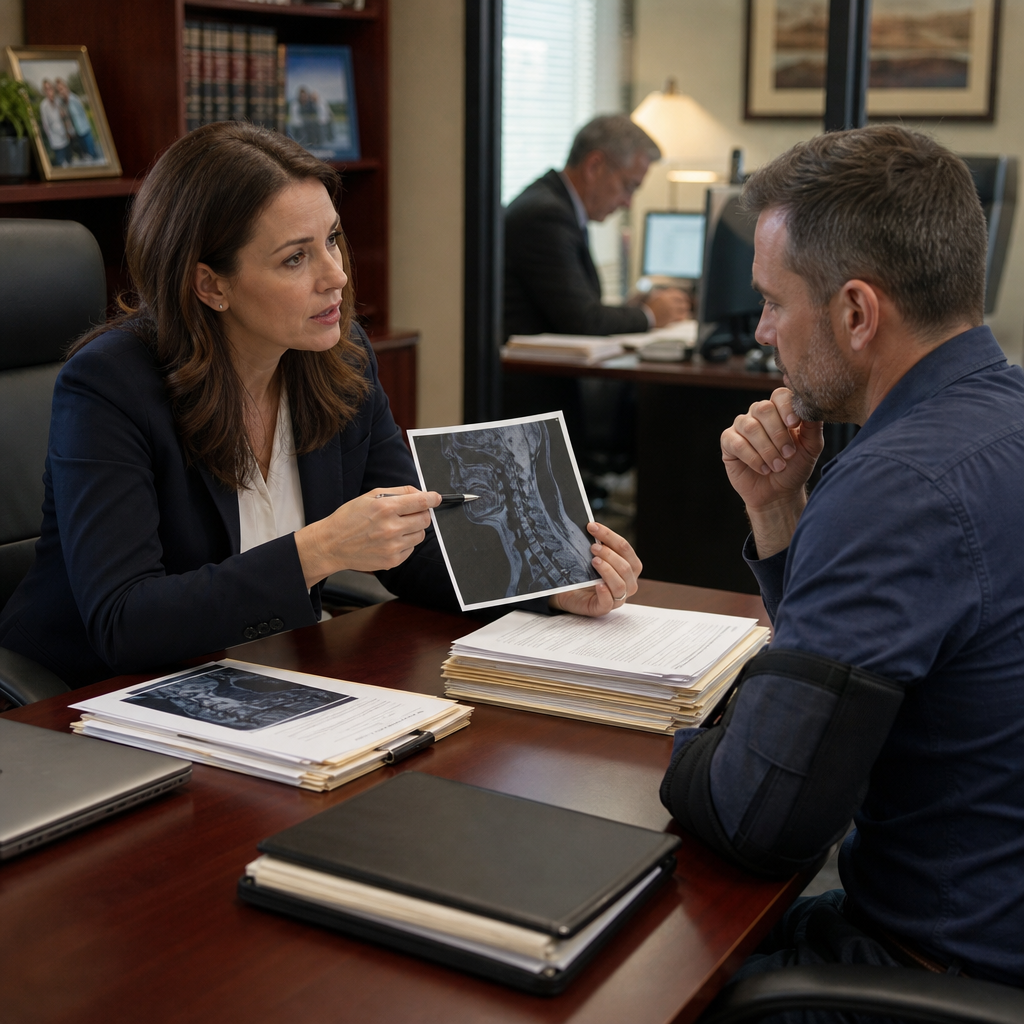
Your permanent disability award in California follows a formula-based approach established by the California Division of Workers’ Compensation. The calculation incorporates several components: your impairment rating (measured as a percentage from the AMA Guides), your age at the time of injury, your occupation, and your education level.
The impairment rating is the foundation. A 10% impairment rating in a lower back injury might result in a different award amount than a 10% rating for an upper extremity injury, because the AMA Guides apply different calculations to different body parts. Contested impairment ratings often become the central dispute in permanent disability cases. The difference between a 15% and 25% rating can mean tens of thousands of dollars in your award.
Age and occupational factors significantly affect your award. A 30-year-old construction worker with a 15% impairment rating receives a higher award than a 55-year-old with the same impairment, reflecting the longer period of diminished earning capacity. Similarly, professional workers whose skills are compromised by impairment typically receive higher adjustments than workers in jobs requiring minimal specialization.
We calculate your full entitlement using the official tables and ensure the insurance company applies them correctly. We also explore whether you qualify for vocational rehabilitation, supplemental job displacement vouchers (up to $6,000 for retraining in some cases), or future medical treatment authorizations that protect your ongoing health needs.
Beyond the base award, we investigate whether additional penalties or enhanced benefits apply. Delayed penalty payments, serious and willful misconduct enhancements, and failure-to-provide-notice penalties can substantially increase your recovery.
Action item: Request a detailed written calculation from the insurance company showing how they determined your permanent disability award; any discrepancies should be identified immediately.
Our Proven Strategy for Transitioning Your Workers Compensation Claim
The transition from temporary to permanent disability requires careful coordination across multiple systems. Your temporary disability payments typically continue until you reach maximum medical improvement, but the amount and duration depend on your medical status and work capacity. Properly timing this transition protects your income stream and prevents gaps in benefits.
We begin by establishing clear MMI documentation. We ensure your treating physician provides a comprehensive report including objective examination findings, imaging results, diagnostic conclusions, and explicit statements about permanent impairment. This medical foundation prevents disputes about whether you’ve truly reached maximum improvement.
Simultaneously, we prepare your permanent disability petition, gathering all supporting documentation. This includes medical records from your entire treatment history, functional capacity evaluations, vocational assessments, and our own expert evaluations. A well-organized petition submitted with complete documentation moves through the system more efficiently and faces fewer challenges.
Communication with the insurance company remains professional but firm. We clearly outline your position regarding permanent disability and propose resolution timelines. Many cases settle through negotiation before requiring formal hearings. Insurance companies sometimes prefer settlements to contested determinations because they provide certainty and closure.
If settlement discussions don’t yield fair results, we move to the appropriate formal process. This might involve requesting an independent medical evaluation through the insurer, filing with the Division of Workers’ Compensation, or scheduling a workers’ compensation hearing. Each pathway has advantages and disadvantages that we evaluate based on your specific circumstances.
Throughout this transition, we ensure your temporary disability continues without gaps while pursuing permanent benefits. Some injured workers receive both simultaneously during the transition period, which requires careful claims management.
Action item: Begin gathering your complete medical file now, including discharge summaries, surgical reports, imaging results, and all treating physician notes, to avoid delays when transitioning to permanent disability.
Protecting Your Benefits Through the Appeals Process
Permanent disability awards can be appealed by both injured workers and insurance carriers. If the insurance company’s permanent disability offer is inadequate, we help you challenge it through the appeals process. Similarly, if you’ve already received a permanent disability award that undervalues your condition, additional legal options may exist.
The appeals process within workers’ compensation differs from civil litigation. Cases proceed through the Division of Workers’ Compensation with experienced administrative law judges who hear workers’ compensation cases regularly. These judges understand medical evidence, understand the permanent disability formulas, and recognize when insurance company positions lack medical or legal support.
We present evidence systematically at hearings. Medical testimony typically proves most compelling, especially when independent experts can explain why the insurance company’s assessment undervalued your condition. We prepare medical experts for testimony, ensuring they can articulate how your impairment affects your ability to work and earn income. Vocational experts similarly testify about realistic job prospects given your impairment and age.
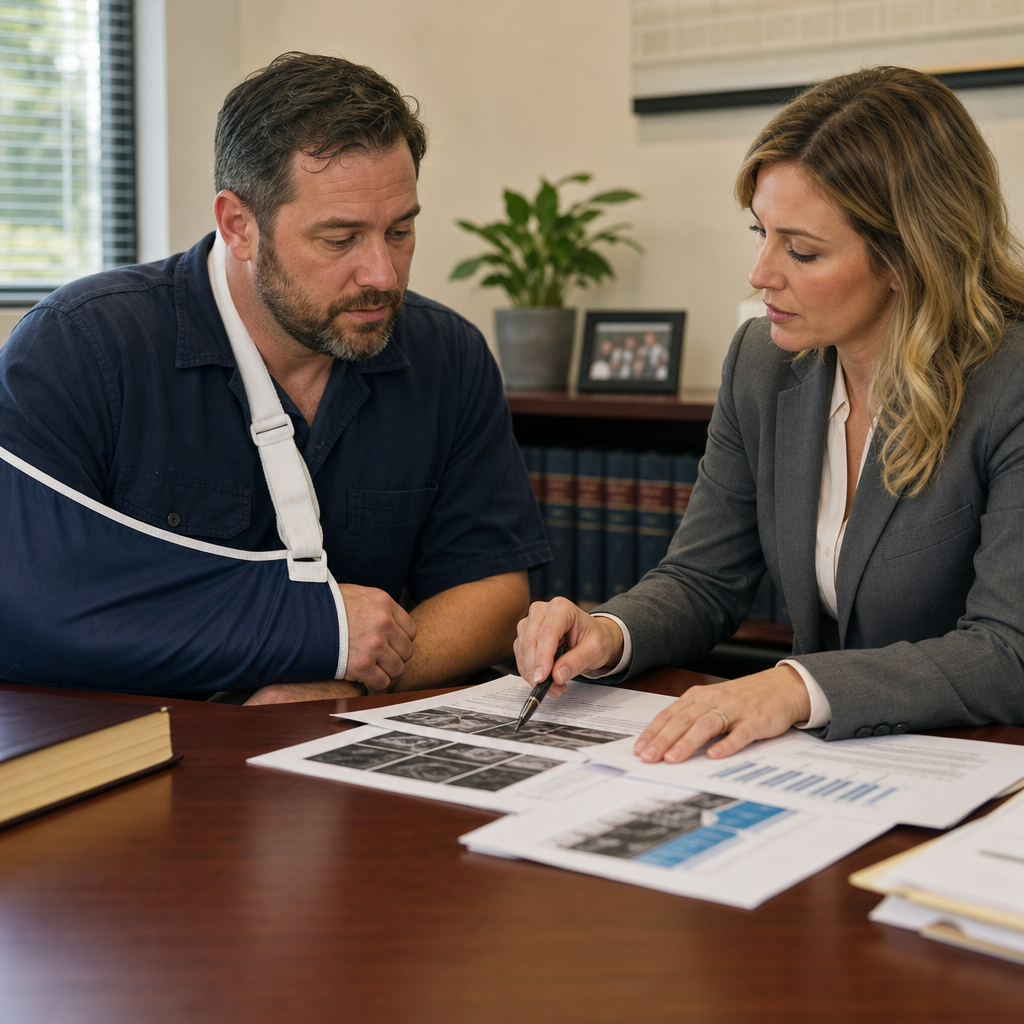
Documentation we’ve gathered throughout your case becomes critical at hearing. Medical records showing progressive treatment, functional decline despite therapy, and diagnostic findings supporting permanent impairment must be presented clearly and persuasively. We organize exhibits logically, reference them during testimony, and ensure the judge understands their significance.
The appeals process also protects your benefits against future challenges. Insurance companies sometimes attempt to reduce or terminate permanent disability benefits based on alleged improvements in your condition. We monitor your case and challenge improper benefit reductions through the same formal processes.
Additionally, future medical treatment benefits often need protection. Permanent disability awards typically include authorization for ongoing medical care related to your injury. Insurance companies sometimes deny necessary treatment claims years later, arguing the treatment doesn’t relate to your work injury. We provide representation and advocacy if treatment denials require appeal.
Action item: Keep detailed records of any medical treatment, work-related limitations, or communications from the insurance company so we can quickly address any future benefit challenges.
Real Results: How Our Clients Secured Permanent Disability Recognition
Our clients’ experiences illustrate how properly advocated permanent disability cases transform financial outcomes. Consider a construction worker whose initial temporary disability classification projected six-month recovery from a back injury. Imaging studies eventually showed a herniated disc requiring surgical fusion. Eighteen months post-injury, he remained unable to perform construction work. His physical therapy physician documented maximum medical improvement with ongoing restrictions. The insurance company initially offered a 10% permanent disability rating. We retained an independent orthopedic surgeon who documented 25% impairment based on structural changes and functional limitations. Through negotiation supported by this expert evidence, we secured a settlement representing 22% permanent disability, resulting in an award substantially exceeding the insurer’s initial offer.
A manufacturing plant employee with cumulative trauma to both wrists and hands illustrates successful handling of complex injuries. Her employer’s physician minimized the impairment; our retained hand specialist documented nerve compression, limited grip strength, and reduced fine motor control. Her occupation as a precision assembler made these functional limitations economically devastating. The workers’ compensation judge found her permanent disability at 30%, with vocational rehabilitation benefits authorizing retraining as a quality control inspector. Within two years of our representation, she completed retraining and returned to gainful employment, supplemented by her permanent disability award.
A warehouse worker whose psychological injury from repeated workplace trauma was initially denied secured recognition that his PTSD was work-caused and permanent. Our psychiatric expert established the clear nexus between specific workplace events and his diagnosed condition. The Division awarded him permanent disability benefits and authorization for ongoing mental health treatment through his workers’ compensation insurance.
These outcomes reflect our commitment to thorough investigation, compelling expert evidence, and determined advocacy. We don’t accept insurance company positions that undervalue your injury. We build cases on medical evidence and legal principle, not negotiation convenience.
Your case deserves this same level of attention. We offer free legal consultations to evaluate your situation. If you’re transitioning from temporary to permanent disability status, or if your initial permanent disability award seems inadequate, we’re ready to help. Contact California Work Injury Law Center to discuss your path to maximum compensation and secure the permanent disability benefits you’ve earned through your workplace injury.
Schedule a Free Consultation Phone Number: 657 605 4418
Frequently Asked Questions (FAQ)
How do we determine if your temporary disability should transition to permanent disability?
We evaluate your medical records, work capacity assessments, and vocational limitations to identify whether your injury has reached maximum medical improvement without full recovery. If you’ve plateaued in treatment and continue experiencing functional restrictions that prevent you from returning to your pre-injury work, we petition the workers’ compensation board to recognize your permanent disability status. Our team works directly with your treating physicians to establish the medical foundation necessary for this transition.
What’s the timeline for petitioning for permanent disability benefits in California?
We typically file your permanent disability petition after you’ve completed relevant medical treatment and your condition has stabilized, which often occurs within 6 to 24 months depending on your injury severity. However, you have up to 5 years from your initial injury to file, so we don’t rush the process if additional treatment could strengthen your claim. We monitor your case carefully to identify the optimal moment when your medical evidence is strongest.
How much can we recover in permanent disability awards?
Our permanent disability calculations depend on your age, occupation, wages at the time of injury, and the extent of your functional impairment as rated by the workers’ compensation system. Awards typically range from several thousand dollars for minor impairments to over $100,000 for severe cases, plus we can secure vocational rehabilitation benefits and future medical coverage. We use California’s official rating schedules and often retain medical experts to maximize the impairment rating assigned to your specific injury.