
Table of Contents
- Why Chemical Exposure at Work Demands Immediate Legal Action
- The Hidden Costs of Chemical Injuries in California Workplaces
- How California Work Injury Law Center Handles Chemical Exposure Cases
- Understanding Your Rights to Workers Compensation for Chemical Injuries
- Documenting Chemical Exposure: Building Your Strongest Claim
- Permanent Disability Benefits for Long-Term Chemical Exposure Damage
- Psychological and Cumulative Trauma from Chemical Exposure
- Our No Recovery, No Fee Guarantee Protects Your Interests
- Construction and Industrial Workers: Specialized Chemical Injury Representation
- How We Maximize Your Settlement Against Corporate Insurance
- Getting Started with Your Free Legal Consultation Today
- Frequently Asked Questions (FAQ)
Why Chemical Exposure at Work Demands Immediate Legal Action
Chemical exposure at work creates serious, often invisible threats to your health and financial security. Whether you’ve suffered acute burns, respiratory damage, or long-term poisoning, you need experienced legal representation to protect your rights and secure fair compensation. At California Work Injury Law Center, we specialize in chemical exposure claims throughout California and understand the unique complexities these cases demand.
Chemical injuries differ fundamentally from typical workplace accidents. The damage may not appear immediately, medical causation is often contested by insurers, and employers frequently fail to disclose exposure risks or maintain proper safety protocols. When you’ve been exposed to hazardous chemicals, waiting to take action can weaken your claim significantly.
Insurance companies routinely underestimate chemical injury claims or deny them outright by arguing pre-existing conditions or non-work factors caused your illness. They have armies of legal experts working to minimize payouts. You need equally skilled representation on your side. Acting quickly preserves medical evidence, witness accounts, and workplace documentation that prove exposure and injury causation.
Beyond the legal strategy, prompt action protects your health. Chemical exposures can trigger delayed reactions, worsen gradually, or cause cumulative damage that compounds over time. Getting immediate medical evaluation and proper legal guidance ensures you document everything thoroughly from day one, which strengthens both your health outcomes and your claim.
Your next step: Contact us for a free consultation before speaking with insurance adjusters. We’ll protect your rights from the outset.
The Hidden Costs of Chemical Injuries in California Workplaces
Many workers underestimate what chemical injuries actually cost them. Medical bills represent only a fraction of the true financial impact. Consider this scenario: a warehouse worker exposed to industrial solvents develops respiratory disease that worsens over five years. Treatment costs mount, but lost wages during recovery, reduced earning capacity, and permanent disability dwarf the immediate medical expenses.
Chemical exposure injuries often trigger costs including:
- Ongoing medical treatment and specialist visits
- Respiratory therapy, medications, and monitoring equipment
- Lost wages during recovery and medical appointments
- Reduced lifetime earning capacity due to permanent limitations
- Home modifications for mobility or air quality needs
- Psychological counseling for trauma and anxiety related to workplace incidents
Employers often cut corners on safety equipment, ventilation systems, or hazard warnings to save money. When that negligence harms you, they shouldn’t escape financial responsibility while you absorb all the costs. California law recognizes this principle through workers’ compensation and potential third-party liability claims.
The hidden toll extends beyond finances. Chronic chemical exposure often creates lasting psychological damage. Workers develop anxiety about returning to similar work environments, suffer sleep disruption from pain or respiratory symptoms, or experience depression related to lost career prospects. These impacts are compensable under California law, yet often overlooked in initial claim negotiations.
How California Work Injury Law Center Handles Chemical Exposure Cases
We approach each chemical exposure case with specialized expertise developed over years representing injured workers across California. Our process combines thorough investigation, expert medical testimony, and aggressive negotiation tactics tailored to chemical injury dynamics.
Here’s how we work with you:
Investigation and Evidence Gathering We immediately document workplace conditions, obtain safety records (or lack thereof), interview coworkers, and secure incident reports. We hire industrial hygienists to measure chemical levels and assess exposure routes. This expert analysis becomes crucial evidence when insurers claim exposure was minimal or theoretical.
Medical Expert Coordination Chemical injury causation requires credible medical testimony. We partner with occupational health physicians, toxicologists, and respiratory specialists who understand chemical mechanisms and can connect workplace exposure to your specific diagnosis. Their reports directly counter insurance company medical denials.
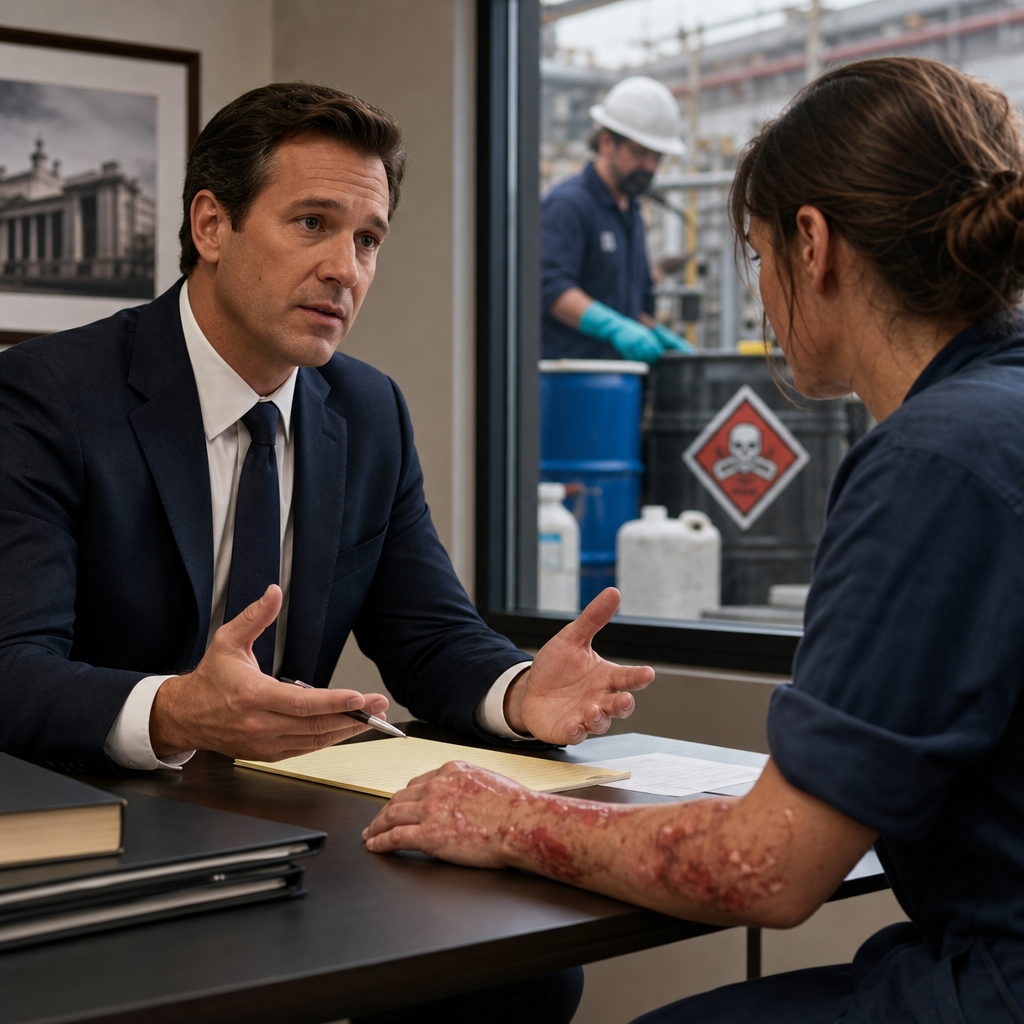
Strategic Claim Management We handle all communications with insurers, workers’ compensation appeals boards, and opposing counsel. Our experience negotiating chemical exposure settlements means we understand fair value benchmarks and pressure points that move cases toward resolution.
Construction and Industrial Specialization Chemical exposure appears across industries, but construction sites, manufacturing facilities, and industrial operations present unique hazards and documentation challenges. We understand these environments and know how to investigate them effectively.
Understanding Your Rights to Workers Compensation for Chemical Injuries
California’s workers’ compensation system provides benefits for employees injured by workplace chemical exposure, regardless of fault. This no-fault structure means you don’t need to prove your employer was negligent; you only need to demonstrate that workplace chemical exposure caused your injury or illness.
Your workers’ compensation rights include:
- Medical Benefits: Full coverage for treatment necessary to address your chemical exposure injury, including hospitalization, surgery, medications, physical therapy, and ongoing monitoring
- Temporary Disability Payments: Weekly income replacement while you’re unable to work due to your injury
- Permanent Disability Awards: Lump-sum compensation if your injury causes lasting limitations to your earning capacity
- Vocational Rehabilitation: Job retraining assistance if you cannot return to your previous occupation
The law also protects you from retaliation. Employers cannot fire, demote, or penalize you for filing a workers’ compensation claim or cooperating with our legal investigation.
California also recognizes that cumulative chemical exposure over months or years can constitute a single compensable injury. If you’ve been exposed to toxic substances repeatedly throughout your employment, California cumulative trauma exposure claims allow recovery based on the total harmful impact rather than a single incident date.
Documenting Chemical Exposure: Building Your Strongest Claim
The strength of your claim depends fundamentally on documentation. Insurance companies routinely deny chemical exposure injuries because workers lack concrete evidence connecting workplace exposure to their medical condition. We help you build an unassailable record.
Documentation priorities include:
Medical Records Ensure your doctor documents in writing that workplace chemical exposure likely caused your condition. Include the specific chemicals involved, exposure duration and frequency, and medical reasoning for the causation conclusion. If your treating physician initially misses the connection, we arrange a follow-up evaluation to correct the record.
Workplace Exposure Records Obtain Safety Data Sheets (SDS) for all chemicals you handled. Request maintenance logs showing whether ventilation systems functioned properly. Collect incident reports, safety inspection records, and any communications showing management knew about hazardous conditions. Employers often resist providing these, which is why we issue formal discovery requests and subpoenas.
Witness Statements Coworkers who experienced the same exposure or observed unsafe conditions strengthen your case considerably. We interview them formally and preserve their accounts before memories fade or they relocate.
Personal Records Document your symptoms in real time with dated notes, photographs of visible injuries, and records of medical appointments. Save receipts for treatment costs, medications, and adaptive equipment. Track your work restrictions and lost wages carefully.
Expert Analysis We engage industrial hygienists to inspect the workplace, measure current chemical exposure levels, and reconstruct historical exposure based on available evidence. Their expert reports establish that dangerous conditions existed and harmed workers.
Permanent Disability Benefits for Long-Term Chemical Exposure Damage
Many chemical exposures create permanent damage that limits your ability to work for the remainder of your career. California provides permanent disability benefits specifically for this situation, calculated based on the extent of your lasting impairment and its impact on earning capacity.
Permanent disability awards consider factors including your age, occupation, education, and the specific limitations your injury creates. A construction worker permanently damaged by chemical exposure may receive different compensation than an office worker with identical lung damage, because the injury creates disproportionate career impact for the construction worker.
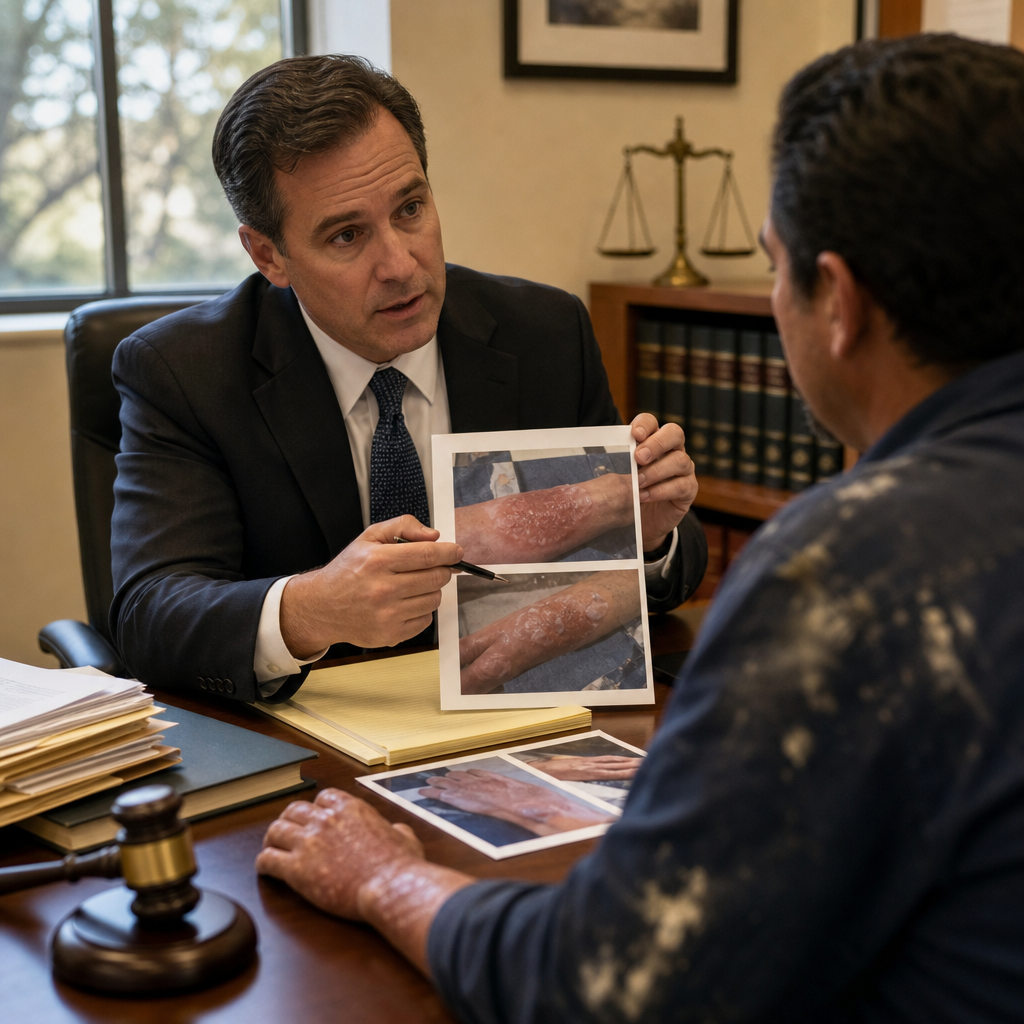
We carefully document your permanent restrictions with your medical providers. If your doctor states you cannot return to your previous job, cannot tolerate certain chemical exposures, or requires workplace modifications, we ensure this evidence supports the highest reasonable permanent disability rating.
Insurance companies frequently offer inadequate permanent disability settlements initially. We negotiate aggressively based on comparable cases, actuarial data, and the true lifetime earning loss your injury creates. If negotiation stalls, we pursue appeals before the Workers’ Compensation Appeals Board, where we present expert testimony supporting higher awards.
Psychological and Cumulative Trauma from Chemical Exposure
Chemical exposure frequently triggers psychiatric injuries that are equally compensable as physical harm. Workplace chemical incidents create trauma that persists long after physical healing. Anxiety about returning to work, panic attacks triggered by chemical smells, and depression related to lost career prospects all warrant compensation.
Industrial cumulative trauma claims recognize that repeated exposure to dangerous chemicals, even without catastrophic single incidents, creates cumulative psychological stress. Workers experiencing constant low-level exposure to toxic substances often develop anxiety disorders and occupational stress injuries.
We ensure your mental health treatment is properly documented and connected to your workplace chemical exposure. Too many workers receive treatment for anxiety or depression without their providers understanding the workplace causation, which weakens their claim. Our role includes coordinating with psychiatrists and psychologists to establish the clear nexus between your workplace exposure and psychological diagnosis.
California law recognizes psychological injuries are not separate from physical injuries; they’re often integral to chemical exposure harm. Your compensation should account for both the respiratory damage and the lasting anxiety it creates.
Our No Recovery, No Fee Guarantee Protects Your Interests
We operate on a contingency fee basis, meaning you pay no legal fees unless we win your case or negotiate a settlement. This structure aligns our interests perfectly with yours: we only succeed financially when you recover compensation.
Our no recovery, no fee guarantee means:
- Zero upfront legal costs regardless of your financial situation
- No hourly billing or surprise invoices during your case
- We absorb all costs of investigation, expert witnesses, and appeals
- You receive your full settlement or award minus our agreed percentage, typically 25-33% depending on case complexity
This approach removes financial barriers preventing injured workers from accessing quality legal representation. You won’t face pressure to accept inadequate settlements because we can’t afford to pursue appeals. We take cases we believe in and fight them thoroughly because we only get paid upon success.
Construction and Industrial Workers: Specialized Chemical Injury Representation
Construction sites and industrial facilities present concentrated chemical hazards and unique liability structures. We specialize in representing workers in these industries because we understand their specific exposure risks and the multiple responsible parties who may owe compensation.
Construction workers face exposure to:
- Adhesives, solvents, and coatings containing volatile organic compounds
- Asbestos in insulation, roofing, and older building materials
- Pesticides and herbicides on job sites
- Diesel fumes and other combustion byproducts
- Welding fumes combining zinc, manganese, and other metals
Industrial workers encounter:
- Manufacturing chemicals unique to specific industries
- Chlorine, ammonia, and other process chemicals
- Heavy metal exposure in metalworking facilities
- Petroleum and petrochemical hazards
- Cumulative low-level exposure over years of employment
Our investigators understand these work environments intimately. We know which general contractors, chemical suppliers, equipment manufacturers, and site supervisors potentially bear liability. We pursue third-party claims against responsible parties beyond just workers’ compensation, which can significantly increase your total recovery.

How We Maximize Your Settlement Against Corporate Insurance
Chemical exposure cases typically involve multiple insurance policies and potentially multiple liable parties. We structure claims strategically to maximize your total recovery across all available sources.
Workers’ compensation insurance covers your baseline benefits but typically doesn’t include pain and suffering damages or punitive compensation for egregious conduct. Third-party liability claims against chemical manufacturers, equipment suppliers, contractors, or property owners may provide additional recovery.
For example, if your chemical exposure resulted from a manufacturer’s defective safety equipment, inadequate product warnings, or improper formulation, that manufacturer bears product liability. If your contractor employer failed to provide proper protective equipment or ventilation, that contractor may face premises liability or employer liability claims. If a chemical supplier misrepresented product hazards, they bear liability for fraud or misrepresentation.
We investigate all potential defendants and structure claims to optimize your recovery. Insurance companies for these parties often negotiate seriously to avoid litigation because the exposure to large judgments creates significant financial risk for them. We leverage this dynamic to reach settlements exceeding what workers’ compensation alone provides.
Our negotiation strategy combines aggressive litigation posture with realistic settlement discussions. Insurance adjusters understand we’ll competently try your case if they don’t offer fair value, which motivates serious settlement negotiation rather than prolonged dispute.
Getting Started with Your Free Legal Consultation Today
If you’ve experienced workplace chemical exposure in California, contact us immediately for a free legal consultation. We’ll review your situation, explain your rights, and outline how we can help you secure fair compensation without upfront costs.
During your consultation, we’ll discuss:
- What chemicals exposed you and the exposure circumstances
- Your current medical diagnosis and treatment needs
- Available documentation and evidence
- Potential liable parties beyond your employer
- Realistic compensation benchmarks for your case
- Next steps and timeline for your claim
Our multiple office locations across California make it convenient to meet with us in person or by phone, whatever works best for your situation. We understand that chemical exposure injuries create urgency and that you need experienced representation quickly.
Don’t negotiate with insurance companies alone. We’ll protect your rights, handle all technical legal matters, and maximize your recovery. Contact California Work Injury Law Center today to schedule your free consultation and take the first step toward the compensation you deserve.
Schedule a Free Consultation Phone Number: 657 605 4418
Frequently Asked Questions (FAQ)
What should I do immediately after a chemical exposure incident at work?
We recommend you seek medical attention first, then notify your employer in writing about the exposure. Document everything you can remember about the incident, including what chemicals were involved, how long you were exposed, and any witnesses present. Contact us as soon as possible for a free consultation so we can advise you on protecting your workers’ compensation rights before any deadlines pass.
How does our no recovery, no fee model work for chemical exposure cases?
We don’t charge you anything unless we successfully recover compensation for your claim. This means we only get paid when you receive a settlement or award, so our interests are aligned with yours. You can pursue your case without worrying about upfront legal costs or hourly bills while we work to maximize what you’re owed.
Can I claim workers’ compensation benefits for permanent chemical injuries?
Yes, if your chemical exposure has caused lasting damage to your body or health, you may qualify for permanent disability benefits in addition to temporary benefits. We evaluate the full extent of your injuries, including long-term health effects and reduced earning capacity, to ensure you receive the maximum compensation available under California law.