
Table of Contents
- Why Workers' Compensation Claims Require Expert Legal Guidance
- Understanding California's Disability Benefits System
- Common Mistakes That Reduce Your Compensation
- How We Secure Maximum Benefits for Injured Workers
- Temporary and Permanent Disability Benefits Explained
- Our No Recovery, No Fee Guarantee
- Construction and Occupational Injury Specialization
- Psychological and Cumulative Trauma Claims
- The Claims Process: What to Expect
- Schedule Your Free Legal Consultation Today
- Frequently Asked Questions (FAQ)
Why Workers’ Compensation Claims Require Expert Legal Guidance
A workplace injury derails more than just your physical recovery. When you cannot work, medical bills pile up, rent doesn’t pause, and the insurance company’s claim handlers rarely prioritize your financial security. This is precisely why injured workers in California need expert legal representation.
At California Work Injury Law Center, we’ve spent years helping employees navigate the complex workers’ compensation system and secure the full benefits they deserve. Whether your injury happened on a construction site, in an office, or from cumulative occupational trauma, we understand California’s disability benefits landscape and know how to fight for maximum compensation.
Workers’ compensation claims exist to protect employees, yet the system itself creates barriers. Insurance adjusters work for the insurance company, not you. They evaluate claims using internal metrics focused on minimizing payouts, not maximizing worker support. They may deny legitimate claims, undervalue permanent injuries, or exclude psychological trauma that stems from your physical accident.
The law also contains strict deadlines and procedural requirements. Miss a filing deadline or submit incomplete documentation, and you can lose your right to claim benefits entirely. California’s workers’ compensation code spans hundreds of pages, with regulations that change annually.
Here’s what we’ve seen repeatedly: workers who handle their claims alone receive significantly lower settlements than those represented by an attorney. Our experience shows that proper legal guidance increases awards by an average of 30-50% compared to unrepresented claims.
What to do next: Before accepting any settlement or filing an appeal, consult with an attorney who specializes in California workers’ compensation law.
Understanding California’s Disability Benefits System
California workers’ compensation provides two primary forms of disability benefits: temporary and permanent. Temporary benefits cover lost wages while you recover and can continue for weeks or months. Permanent benefits apply when your injury causes lasting impairment that reduces your earning capacity.
The state also recognizes vocational rehabilitation benefits, which fund retraining programs if you cannot return to your previous job. Medical benefits cover all treatment related to your workplace injury, including surgeries, physical therapy, medications, and ongoing care.
California’s benefit amounts are based on your average weekly wage and the severity of your impairment. The state sets a maximum weekly benefit amount that adjusts annually. For 2026, temporary disability benefits max out at specific rates depending on when your injury occurred, while permanent disability awards use an impairment schedule that assigns percentages to specific injuries.
Understanding which benefits apply to your situation requires knowledge of how your injury was classified, when it occurred, and whether your condition is truly permanent or expected to improve. Insurance companies often miscalculate wage loss or underestimate permanent impairment ratings to reduce what they owe you.
What to do next: Gather your medical records, payroll stubs, and any correspondence with the insurance company to establish your baseline claim value.
Common Mistakes That Reduce Your Compensation
Many injured workers inadvertently hurt their own claims through preventable errors. We see these patterns consistently in cases we review:
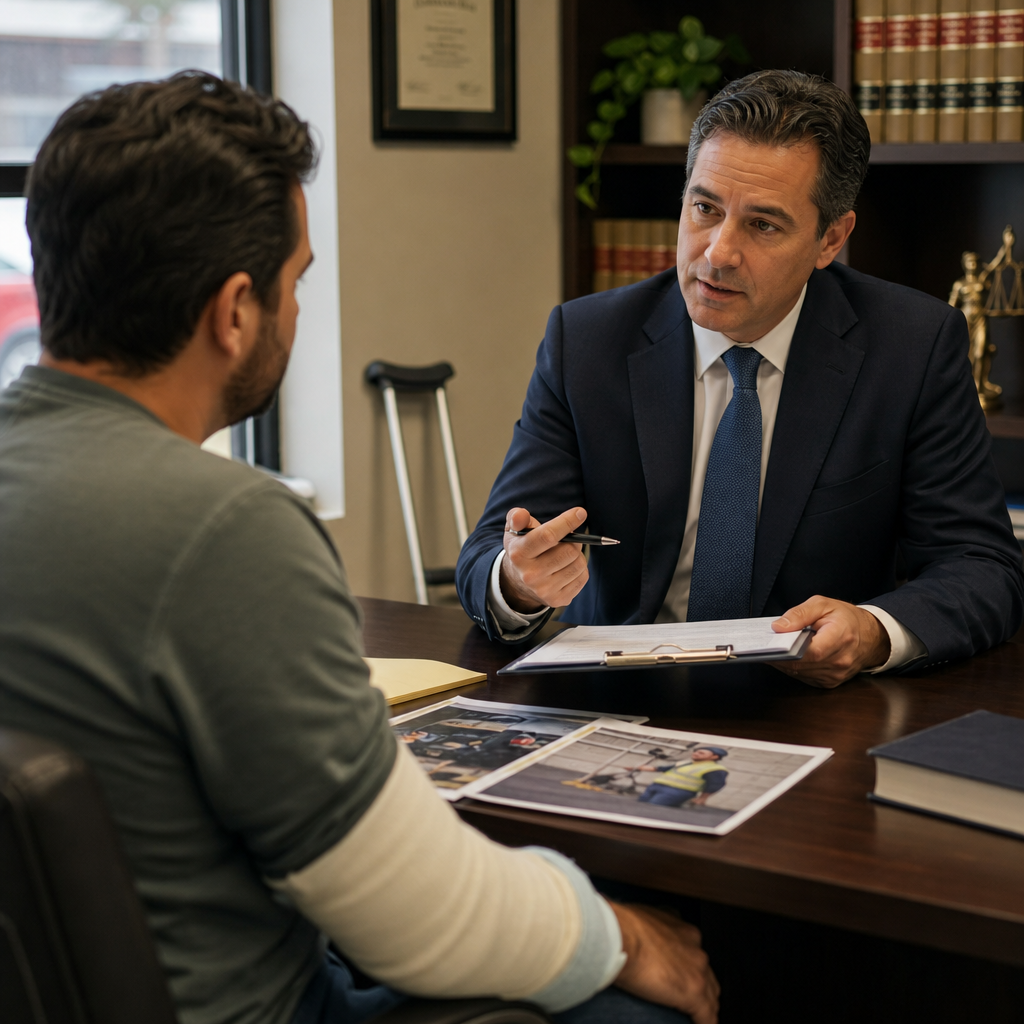
Accepting the first settlement offer. Insurance companies often present initial settlements that are 40-60% below what a claim is actually worth. Workers desperate for immediate income frequently accept these offers without understanding the true value of their permanent disability.
Underreporting your injury or symptoms. Some workers minimize pain or limitations during medical exams because they feel embarrassed or want to seem tough. Insurance companies use these statements against you later when you file for permanent disability benefits.
Missing medical appointments or failing to follow treatment. Insurance adjusters interpret gaps in treatment as evidence that your injury is not serious. Maintain consistent care and document all medical interactions.
Discussing your injury on social media. Insurance companies monitor workers’ social accounts. Photos of you hiking or playing sports can contradict claims of permanent disability, regardless of context.
Failing to request an independent medical examination. If the insurance company’s doctor rates your impairment too low, you have the right to request a second opinion. Many workers don’t exercise this option and accept unfavorable medical findings.
What to do next: Before speaking with any insurance representative, consult an attorney about what information to share and how to protect your claim.
How We Secure Maximum Benefits for Injured Workers
Our approach combines aggressive representation with detailed claim analysis. We start by thoroughly reviewing your medical records to identify all injuries and impairments related to your workplace incident. Many workers forget to report secondary injuries or psychological effects that emerged after the initial trauma.
We also obtain independent medical evaluations from specialists in your injury category. A workers’ compensation judge values a qualified expert’s opinion, and independent evaluations often result in higher impairment ratings than what the insurance company’s physician provides.
We negotiate directly with insurance companies on your behalf. Our experience with their tactics and settlement patterns allows us to present claims that are difficult to deny or devalue. When negotiation doesn’t produce fair results, we litigate aggressively before California’s workers’ compensation judges.
Throughout the process, we handle all paperwork, deadlines, and procedural requirements so you can focus on recovery. We also ensure that medical providers understand workers’ compensation law and bill appropriately so you’re not left with unexpected costs.
What to do next: Schedule a free consultation to discuss your specific situation and learn how much your claim might be worth.
Temporary and Permanent Disability Benefits Explained
Temporary disability benefits replace a portion of your lost wages while you’re healing and unable to work. These benefits typically cover two-thirds of your average weekly wage, up to the state maximum. In California, temporary benefits usually last until your doctor declares you medically stable or ready to return to work.
Permanent disability benefits apply when your injury causes lasting impairment. This might mean reduced range of motion, chronic pain, reduced earning capacity, or inability to perform certain job duties. California uses a structured impairment schedule to assign percentages to specific injuries, which then determines your benefit amount.
A permanent disability rating of 15% is not the same as 15% income loss. The impairment percentage is converted to permanent disability indemnity using a formula that increases with your age and average weekly wage. A worker age 55 with a 15% impairment receives significantly more than a 25-year-old with the same impairment rating.
Many injured workers don’t understand this calculation and underestimate what they should receive. We ensure you understand both your temporary benefits while healing and your permanent disability entitlement for the long term.

What to do next: Request a Statement of Permanent Disability from the insurance company and have an attorney review it before accepting any rating.
Our No Recovery, No Fee Guarantee
We operate on a contingency fee basis, meaning we collect no attorney fees unless we recover compensation for you. This aligns our interests with yours: we succeed only when you receive the maximum possible settlement or award.
Our commitment extends beyond the size of your recovery. We represent injured workers regardless of their ability to pay upfront legal costs. Medical expenses, lost wages, and basic living costs already strain your finances. Expensive attorney fees should never be a barrier to quality legal representation.
If we cannot recover compensation for your claim, you owe us nothing. This risk falls on us, not you, which is exactly how it should be.
What to do next: Reach out for your free consultation without worrying about legal costs.
Construction and Occupational Injury Specialization
Construction site injuries account for a disproportionate share of California’s serious workplace accidents. Falls from heights, equipment entanglement, electrocution, and structural collapses create catastrophic injuries that require maximum compensation.
We have extensive experience representing construction workers across all trades. We understand site-specific safety requirements, how to identify negligence beyond workers’ compensation coverage, and when third-party liability claims might provide additional recovery above standard workers’ comp benefits.
Occupational injuries develop differently than acute trauma. Repetitive motion injuries, noise-induced hearing loss, and dust inhalation accumulate over months or years. These cumulative conditions are often harder to prove, and insurance companies frequently deny them as non-work-related. We know how to build these claims using medical evidence and occupational history documentation.
What to do next: If your injury involved equipment failure, safety violations, or negligence by someone other than your employer, ask an attorney about potential third-party claims.
Psychological and Cumulative Trauma Claims
California recognizes psychological injuries and cumulative trauma as valid workers’ compensation claims, but only under specific circumstances. A single stressful incident is rarely compensable unless it involves physical injury. Cumulative trauma from work demands is compensable only if the injury arises from unusual and extraordinary stress compared to other employees in similar roles.
These claims are complex because they require psychiatric or psychological expert testimony. The insurance company will argue that your stress is normal for your job. We work with mental health professionals who understand workers’ compensation medicine and can establish that your psychological injury exceeds what reasonable workers experience.
We’ve successfully pursued claims for PTSD following traumatic workplace incidents, depression resulting from chronic pain, and anxiety disorders developed through years of workplace harassment or unreasonable demands. These claims deserve the same rigorous representation as physical injuries.
What to do next: If psychological trauma accompanied your workplace injury, document your symptoms and seek treatment from a mental health provider who can support a workers’ compensation claim.
The Claims Process: What to Expect

The workers’ compensation process typically progresses through several stages. After you report your injury, the employer files forms with the Division of Workers’ Compensation and insurer. You’ll undergo medical evaluation, and the insurance company will either accept or deny your claim within specific timeframes.
If accepted, benefits begin immediately. You’ll receive temporary disability payments while unable to work, and all necessary medical treatment is covered. As you heal, your doctor will eventually issue a report declaring you medically permanent and stable (MMI). This triggers the permanent disability evaluation process.
If the insurance company denies your claim or disputes the extent of your injury, you can request a workers’ compensation hearing before a judge. We represent you during these hearings, presenting medical evidence and expert testimony to support your claim.
The entire process, from initial injury report to final settlement, typically takes 6-18 months depending on complexity and whether litigation becomes necessary. Throughout this timeline, you have rights to medical treatment, benefits, and vocational rehabilitation if appropriate.
What to do next: Get a copy of all forms your employer submitted and every document you receive from the insurance company, then have an attorney review them for errors.
Schedule Your Free Legal Consultation Today
Navigating California’s workers’ compensation system alone places you at a significant disadvantage. Insurance companies employ experienced adjusters and defense attorneys. You deserve equally experienced representation fighting for your interests.
We offer free, confidential consultations to discuss your specific situation and explain your options. There’s no obligation, and we’ll give you honest guidance about your claim’s strengths and what you might expect.
We have multiple office locations throughout California and can meet with you in person or by phone. If you’re unable to travel due to your injury, we’ll come to you.
Contact California Work Injury Law Center today. Let’s discuss how we can help you maximize your workers’ compensation benefits and move forward with confidence.
Schedule a Free Consultation Phone Number: 657 605 4418
Frequently Asked Questions (FAQ)
What does our no recovery, no fee guarantee mean?
We don’t charge you any attorney fees unless we successfully recover compensation for your case. If we don’t win your claim, you owe us nothing. This arrangement ensures we’re fully invested in maximizing your benefits because our success depends directly on yours.
How do we handle psychological and cumulative trauma claims differently than standard injury cases?
We recognize that workplace trauma and repetitive strain injuries require specialized legal strategies and medical documentation that general workers’ compensation claims often overlook. Our team works with medical experts to build comprehensive cases that demonstrate the connection between your work conditions and psychological or cumulative injuries, which insurers frequently undervalue or deny outright.
Why should I consult with us before filing my workers’ compensation claim?
We help you avoid costly mistakes in how you report your injury, document your case, and negotiate with insurance companies. Many workers unknowingly say things or miss deadlines that significantly reduce their compensation, so our early guidance protects your rights and strengthens your claim from the start.