
Table of Contents
- Understanding Your Compensation Eligibility
- Key Factors That Determine Maximum Award Amounts
- Common Mistakes That Reduce Your Final Settlement
- Our Proven Approach to Securing Maximum Benefits
- Temporary and Permanent Disability Compensation Explained
- Special Considerations for Construction Site Injuries
- Psychological and Cumulative Trauma Claim Strategies
- How We Negotiate with Insurance Companies
- What Sets Our Representation Apart
- Timeline and Process for Your Case
- Real Results: Settlement Examples and Outcomes
- Taking Your Next Step With Our Firm
- Frequently Asked Questions (FAQ)
Understanding Your Compensation Eligibility
When you’re injured at work in California, the stakes are immediate and real. You’re facing medical bills, lost wages, and the stress of recovery while navigating a complex workers’ compensation system designed to move cases quickly, not generously. Many injured workers settle for far less than they deserve because they don’t understand what their claim is truly worth or how insurance companies use information gaps to their advantage.
At California Work Injury Law Center, we’ve spent years helping employees like you identify every avenue for maximum compensation. This guide walks you through the strategies that actually increase settlement amounts and the missteps that diminish them.
California’s workers’ compensation system provides benefits to virtually all employees injured during the course of employment, regardless of who caused the accident. If you’re a W-2 employee and your injury arose out of and occurred in the course of your work, you have a claim. This extends beyond obvious trauma injuries to include occupational illnesses, psychological injuries from workplace events, and cumulative conditions developed over time.
Your eligibility isn’t limited to injuries you report immediately, either. Many workers don’t realize they qualify for benefits when symptoms develop gradually. A warehouse worker who develops carpal tunnel syndrome after years of repetitive motion, or an employee experiencing anxiety after a workplace assault, both have legitimate claims.
The key point: California’s workers’ compensation is an “exclusive remedy” system. Your employer carries insurance that pays your benefits, but in exchange, you generally cannot sue them for additional damages. However, this doesn’t cap what you can receive through the workers’ compensation process itself. Understanding what you’re eligible for is step one toward maximizing your recovery.
What to do next: Review your injury date and job duties carefully. If your condition developed gradually or you’re unsure whether it qualifies, consult with us at no cost through our free legal consultation.
Key Factors That Determine Maximum Award Amounts
Insurance companies calculate settlement values using several measurable factors. Your age, wage history, the severity of permanent impairment, and projected lifetime impact on earning capacity form the foundation of any award.
Medical documentation is the single largest driver of settlement value. Detailed reports from treating physicians, diagnostic imaging results, and specialist evaluations create the factual basis for permanent disability ratings. A comprehensive medical record showing ongoing treatment, functional limitations, and prognosis can easily double or triple a settlement offer compared to sparse documentation.
Your wage history matters tremendously because disability benefits are calculated as a percentage of your average weekly wage at the time of injury. A construction superintendent earning $120,000 annually has a vastly different claim value than a laborer at $45,000, even with identical injuries.
The type of injury also affects multipliers. Permanent disfigurement, loss of limb, or neurological damage typically command higher settlement values than temporary sprains. Additionally, if your employer violated safety regulations or retaliated against you for reporting the injury, these facts can significantly increase your leverage in negotiations.
What to do next: Gather your last three months of pay stubs and any medical records from the initial injury report forward. These documents establish your baseline claim value.
Common Mistakes That Reduce Your Final Settlement
We see preventable errors repeatedly that cost injured workers substantial money. The most damaging mistake is accepting an early settlement offer without understanding your long-term medical needs. Insurance companies pressure injured workers to settle quickly, often within weeks of injury, before the full scope of treatment and recovery becomes clear.
Another critical error is downplaying your symptoms to appear “tough” or to avoid inconveniencing your employer. Every conversation with insurance adjusters, medical evaluators, or even coworkers becomes part of your claim file. Minimizing pain or limitations directly reduces benefit calculations. If your injury affects your ability to work, that fact belongs in the record.
Failing to document medical treatment is equally costly. Gaps in treatment, missed appointments, or switching doctors without clear reasons give insurance companies ammunition to argue your condition isn’t serious or that you’ve recovered. Your medical file should show continuous, reasonable treatment aligned with your condition.
Many workers also fail to disclose prior injuries or pre-existing conditions when they appear relevant. Transparency protects your claim; discovered omissions invite denials. Similarly, working or earning income without reporting it can be interpreted as evidence you’ve recovered more than your claim reflects.

What to do next: Stop communicating directly with insurance adjusters. Anything you say can reduce your settlement value. Have us handle all communications on your behalf.
Our Proven Approach to Securing Maximum Benefits
We start every case by thoroughly investigating the injury circumstances and building a medical foundation stronger than what the insurer expects. We retain independent medical experts when necessary to establish permanent disability ratings that accurately reflect your condition, rather than accepting the insurer’s often-low initial evaluations.
Our negotiation strategy is structured around three phases. First, we document and value your case comprehensively, including projections for future medical needs and lifetime earning impact. Second, we present this documentation to the insurer with clear demands backed by evidence and legal precedent. Third, if settlement talks stall, we litigate, knowing that insurers understand our track record of succeeding at trial.
We also identify secondary claims many workers overlook. If your employer failed to provide required safety equipment, violated reporting procedures, or retaliated against you for your injury claim, these facts create additional leverage and potential damages beyond standard workers’ compensation benefits.
Throughout the process, we ensure you’re never pressured into accepting inadequate offers. Our contingency fee model, where we’re paid only if you recover, aligns our interests perfectly with yours. You keep more of your settlement because you don’t pay attorney fees unless we win.
What to do next: Schedule a free consultation with us to discuss your specific circumstances. We’ll identify all potential claims and give you an honest assessment of your case value.
Temporary and Permanent Disability Compensation Explained
California workers’ compensation provides two distinct disability benefit categories. Temporary disability benefits are paid while you’re unable to work and your condition hasn’t stabilized. These benefits equal two-thirds of your average weekly wage (subject to state minimum and maximum limits) and continue for the duration of your recovery period.
Permanent disability benefits apply once your condition has stabilized and you’ve reached maximum medical improvement. These benefits compensate you for lasting limitations that reduce your earning capacity. Even if you return to your previous job, permanent disability acknowledges that your body or mind is permanently altered.
The calculation of permanent disability benefits involves a specific process. Your physician assigns an impairment rating based on published schedules. For injuries to extremities, this is relatively straightforward. For non-scheduled injuries like psychological conditions or scarring, the process requires expert testimony about functional loss and earning capacity impact.
The difference between temporary and permanent disability is substantial. A worker who recovers fully within six months might receive $15,000 in temporary benefits. That same worker with a 25% permanent disability rating could receive $80,000 or more in permanent benefits, depending on age and wage history.
What to do next: Don’t assume you’ve recovered just because you can perform some work activities. Permanent disability is about measurable loss of function, not whether you can work at all.
Special Considerations for Construction Site Injuries
Construction workers face unique challenges in workers’ compensation claims. The industry has high injury rates, complex contractor relationships, and frequent disputes about whether an injury occurred during employment or on a job site where the worker was classified as an independent contractor rather than an employee.
Joint venture arrangements, temporary staffing, and subcontracting relationships create ambiguity about liability and coverage. We’ve successfully fought cases where companies incorrectly classified injured workers as independent contractors to avoid insurance coverage. These fights are worthwhile because the difference between workers’ compensation benefits and no coverage at all can mean tens of thousands of dollars.
Construction sites also generate excellent evidence. Safety records, incident reports, video footage, witness statements, and equipment maintenance logs all document whether proper protocols were followed. When a site safety violation contributed to your injury, this strengthens both your claim value and your position in settlement negotiations.
Site-specific hazards like fall protection, equipment operation, or exposure to toxic materials often involve OSHA regulations. When a contractor violates these standards and you’re injured, we use that violation as leverage to increase your settlement substantially.
What to do next: Preserve any photographs of the site, equipment, or conditions present at the time of your injury. Don’t assume the company’s incident report is accurate; we’ll obtain independent documentation.
Psychological and Cumulative Trauma Claim Strategies
Psychological injuries from workplace violence, harassment, or witnessing traumatic events are valid workers’ compensation claims in California, but they require different proof strategies than physical injuries. You must demonstrate both a work-related stressor and a psychiatric condition diagnosed by a qualified professional, with medical evidence of a direct causal connection.
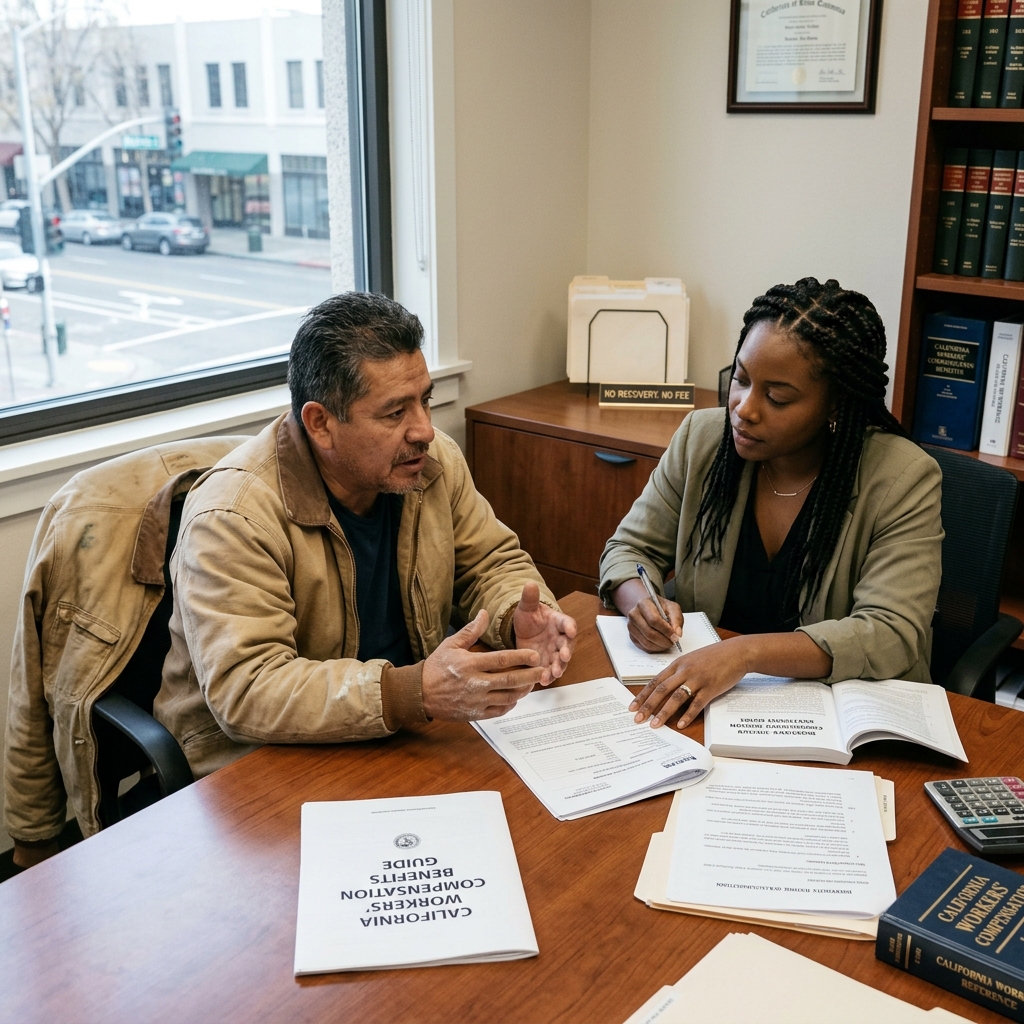
Documentation from mental health professionals becomes critical because there’s no diagnostic test for anxiety or PTSD. Your therapist’s or psychiatrist’s notes must specifically connect your symptoms to workplace events, not personal life stressors. We work with your medical providers to ensure your records reflect the workplace origin of your condition.
Cumulative trauma claims involve injuries that develop gradually from repeated work activities. Nurses with back injuries from years of patient lifting, teachers with voice disorders, or warehouse workers with joint damage all pursue cumulative trauma claims. The challenge is proving the work activities caused the condition, especially if the worker has a pre-existing susceptibility.
For cumulative trauma, your entire employment history with the employer matters. We obtain records showing the specific job duties performed, physical demands, and any safety modifications or equipment changes over time. Expert testimony about whether these activities exceed normal wear and tear strengthens your claim significantly.
What to do next: If you have a psychological injury, seek treatment from a licensed mental health professional immediately and ensure they document the workplace cause in their records.
How We Negotiate with Insurance Companies
Insurance adjusters are skilled at identifying settlement leverage points and exploiting information gaps. Our negotiation approach flips this dynamic. We come to the table with complete medical documentation, expert reports, and a clear legal framework that shows exactly what your claim is worth.
We separate settlement discussions into distinct components: permanent disability rating, future medical needs, vocational rehabilitation costs, and any potential penalties or bad faith damages. Breaking down the claim this way prevents insurers from offering a vague lump sum that undervalues specific elements.
Importantly, we never accept settlement offers without giving you time to consider alternatives and understand long-term implications. Many workers jump at initial offers that sound large but actually provide inadequate compensation for lifelong restrictions. We project your medical needs years forward and calculate whether a proposed settlement funds appropriate future care.
When insurers refuse reasonable offers, we move cases to litigation. Insurers know that trials are expensive and unpredictable, and they also know our firm has a strong track record. This reality shapes settlement discussions favorably for our clients.
What to do next: Understand that any settlement offer is a starting point for negotiation, not a final judgment of your claim’s value. We improve initial offers routinely through structured negotiation.
What Sets Our Representation Apart
We differ from general practice attorneys or insurance defense firms because we specialize exclusively in representing injured workers. This focus means we know California’s workers’ compensation system intimately, maintain relationships with medical experts, and understand insurer strategies because we’ve litigated against them repeatedly.
Our contingency fee model eliminates financial barriers to representation. You don’t pay anything upfront, and you only pay fees from your settlement or award. This structure ensures we don’t pressure you to accept inadequate offers to collect a quick fee. Our payment comes from maximizing your recovery.
We operate multiple offices across California, allowing us to serve injured workers regardless of location. Whether your injury occurred in San Francisco, Los Angeles, San Diego, or anywhere between, we have local presence and expertise.
We also maintain transparent communication throughout your case. You’ll receive regular updates, understand our negotiation strategy, and have direct input into settlement decisions. Our team treats your case as a priority, not a file number.
What to do next: Compare any potential representation against these standards. We’re confident our approach to maximizing compensation, combined with our track record, makes us the clear choice for California injured workers.
Timeline and Process for Your Case
Most workers’ compensation cases follow a predictable timeline. Initial claim filing typically occurs within one to five days of injury. The insurance company has 30 days to accept, deny, or request additional information. This early period is critical because your medical records and claim documentation shape everything that follows.
If your claim is accepted, treatment begins and temporary disability benefits start within two weeks. Medical providers evaluate your condition over the next several months while you focus on recovery. This phase typically lasts three to six months for acute injuries, though cumulative trauma claims develop differently.
Once your condition stabilizes and you’ve reached maximum medical improvement, the insurer assigns a permanent disability rating. This rating directly determines your permanent disability benefits. If you disagree with the rating, we can request an independent medical examination to challenge the insurer’s assessment.

Settlement negotiations typically occur four to eight months after injury, once medical evidence is complete. From initial consultation to final settlement, most cases resolve within nine to 14 months. Complex cases involving litigation may take longer, but the timeline remains predictable.
What to do next: Contact us within days of your injury. Early involvement allows us to influence medical documentation and protect your interests from the beginning.
Real Results: Settlement Examples and Outcomes
We’ve secured settlements and awards ranging from modest amounts for minor injuries to six-figure recoveries for permanent disabling conditions. A warehouse worker with a lower back injury resulting in 15% permanent disability and ongoing restrictions received $95,000 after we challenged the insurer’s initial $35,000 offer. The difference came from presenting expert testimony on long-term medical needs and earnings impact.
A construction supervisor exposed to asbestos years earlier developed mesothelioma. Though he had changed employers, we traced the exposure and secured a substantial settlement that compensates for his condition and projected shortened lifespan.
A retail manager who experienced severe panic disorder after being robbed at gunpoint at her workplace initially had her psychological injury claim denied. Our psychiatric expert documented the clear causal connection, and the insurer reversed course, ultimately paying permanent disability benefits plus future psychiatric care.
These results aren’t unusual for our firm. They reflect our systematic approach: thorough investigation, expert medical documentation, clear communication of claim value, and willingness to litigate when settlement negotiations reach an impasse.
What to do next: Review your potential claim value in consultation with us. We’ll provide specific estimates based on your injury type, age, and wage history.
Taking Your Next Step With Our Firm
You’ve invested your labor and health in your work. When injury occurs, you deserve compensation that fully reflects your loss. Insurance companies count on injured workers not understanding their rights or accepting inadequate offers out of financial desperation.
We eliminate that disadvantage. Our expertise, resources, and track record serve as your counterweight against institutional pressure to settle cheaply. Through our contingency fee arrangement, you access top-tier legal representation without upfront costs.
The first step is straightforward: contact California Work Injury Law Center for a free legal consultation. We’ll review your injury circumstances, explain your rights, identify all potential claims, and provide honest guidance about your case value and the path forward. You’ll leave that conversation understanding exactly what you’re entitled to and how we’ll help you obtain it.
Your recovery period is temporary, but the financial impact of a wrongful settlement lasts years. Choose representation designed specifically to maximize your work injury compensation.
Schedule a Free Consultation Phone Number: 657 605 4418
Frequently Asked Questions (FAQ)
How do we determine if you’re eligible for maximum work injury compensation?
We evaluate your eligibility by reviewing the specific circumstances of your injury, the type of benefits applicable to your case, and whether your employer carried proper workers’ compensation insurance. Our team assesses factors like wage loss, medical expenses, and whether you’ve suffered temporary or permanent disability to identify all compensation avenues available to you. During our free consultation, we examine your documentation and employment records to build a complete picture of your claim’s potential value.
What mistakes do injured workers commonly make that reduce their settlement amounts?
We frequently see workers accept initial insurance offers without proper evaluation, fail to document all medical treatment and wage losses, or miss critical filing deadlines that jeopardize their claims. Many injured employees also settle too quickly before the full extent of their injuries becomes clear, particularly with permanent disabilities or psychological trauma cases. Our role is to ensure you avoid these pitfalls by handling negotiations strategically and gathering comprehensive evidence before any settlement discussions begin.
Why does our representation typically result in higher compensation than workers receive on their own?
We bring specialized knowledge of California workers’ compensation law and proven negotiation strategies that insurance companies respect and expect from qualified legal counsel. Our experience with construction site injuries, cumulative trauma claims, and psychological injury cases means we identify compensation sources many workers miss entirely. Since we work on a no recovery, no fee basis, our interests align perfectly with maximizing your benefits from the moment we take your case.