
Table of Contents
- Understanding Your Permanent Disability Claim Eligibility
- Why Our Firm Handles These Claims Differently
- Step 1: Obtain Your Medical Evaluation and Documentation
- Step 2: Gather Required Evidence and Employment Records
- Step 3: Complete the Official State Forms and Applications
- Step 4: Submit Your Claim to the Workers Compensation Appeals Board
- Step 5: Understanding Rating Schedules and Benefit Calculations
- Step 6: Navigating the Appeals Process if Needed
- Common Mistakes to Avoid When Filing Your Claim
- Why California Work Injury Law Center Ensures Your Success
- Selection Guide: Choosing Professional Legal Representation
- Get Your Free Legal Consultation Today
- Frequently Asked Questions (FAQ)
Understanding Your Permanent Disability Claim Eligibility
Filing a permanent disability claim in California can feel overwhelming when you’re already dealing with a workplace injury. The state’s workers’ compensation system has specific procedures, forms, and timelines that determine whether you receive the benefits you’re entitled to. We’ve helped hundreds of injured workers navigate this process successfully, and we want to share what we’ve learned so you can move forward with confidence.
Not every workplace injury qualifies for permanent disability benefits. California law recognizes permanent disability when your injury results in a lasting reduction of earning capacity that persists even after medical treatment concludes.
Your eligibility depends on several factors. First, you must have suffered a compensable injury while performing job duties. Second, your condition must have reached what’s called “maximum medical improvement” (MMI), meaning your doctors have determined that further treatment won’t significantly improve your condition. Third, you must demonstrate that your injury has caused permanent changes to your physical or mental capacity.
Common injuries that qualify include back injuries with lasting nerve damage, amputation or loss of limb function, permanent hearing loss, psychological trauma from workplace incidents, and occupational illnesses like respiratory conditions. However, temporary conditions that fully heal generally don’t qualify, even if recovery takes months.
The key action here is to track your medical records carefully. Once your physician indicates you’ve reached MMI, that’s your signal to consider filing a permanent disability claim.
Why Our Firm Handles These Claims Differently
We approach permanent disability claims with a critical understanding that insurers often undervalue injuries or deny claims altogether. Many injured workers file claims without proper medical support or evidence, which insurers use as grounds for denial or minimal offers.
Our strategy differs because we don’t simply file paperwork and hope for approval. We work backward from the outcome you need. This means we secure comprehensive medical evaluations before filing, we gather employment history to document earning capacity loss, and we prepare counter-arguments to expected insurer objections.
We also operate on a no recovery, no fee contingency basis. You pay nothing unless we recover compensation for you. This aligns our incentives with yours: we’re motivated to maximize your award because that’s how we get paid.
Step 1: Obtain Your Medical Evaluation and Documentation
Your medical evaluation is the foundation of your entire claim. Insurers review these reports carefully, so quality documentation matters enormously.
Schedule an independent medical examination (IME) with a physician who has experience in workers’ compensation cases. This doctor should thoroughly document your condition, explain how your injury limits your work capacity, and provide clear opinions about permanence. The report should address specific functional limitations, not vague conclusions.
Request that your treating physician also provide detailed records showing the progression of your injury, treatment attempts, and why further improvement isn’t expected. Include imaging studies, surgical reports, physical therapy notes, and any mental health evaluations if psychological trauma is involved.
Documentation checklist:
- Medical reports stating you’ve reached maximum medical improvement
- Functional capacity evaluations showing what tasks you can and cannot perform
- Statements about how your injury affects your ability to work in your previous occupation
- Records of all treatment, procedures, and rehabilitation attempts
Schedule this evaluation soon after your physician indicates MMI. Delays can complicate your timeline.

Step 2: Gather Required Evidence and Employment Records
Beyond medical records, you need employment documentation that demonstrates your earning capacity before and after injury.
Collect your last two years of pay stubs showing your pre-injury wage rate. Gather your job description, highlighting duties you can no longer perform. If you’ve attempted to return to work since the injury, include records showing reduced hours, lower pay, or job modifications. Documentation of job searches or unsuccessful attempts to find similar employment also strengthens your claim.
For construction workers and other specialized trades, evidence of your specific skills and typical work availability helps establish earning loss. For example, if you were a carpenter earning premium wages, document that your injury prevents you from working at heights or handling power tools.
Evidence to organize:
- W-2s and pay stubs for 24 months pre-injury
- Written job descriptions and performance reviews
- Communications about your work limitations
- Records of any wage loss since returning to work
- Expert testimony about industry standards for workers in your field
Your employment history creates the factual basis for calculating permanent disability benefits. Insurers can’t argue about earning capacity loss if you have clear documentation.
Step 3: Complete the Official State Forms and Applications
California requires specific forms filed with the Workers’ Compensation Appeals Board (WCAB). The primary form is the Application for Adjudication of Claim (AAC), which formally initiates your permanent disability claim.
Completing these forms correctly is critical. Errors or omissions can delay your case or provide grounds for dismissal. The forms require detailed information about your injury, medical treatment, current symptoms, and specific benefits you’re seeking.
Essential forms include:
- Application for Adjudication of Claim (form to initiate the case)
- Declaration form under penalty of perjury describing your injury and impact
- Medical reports and documentation
- Any settlement agreements or prior awards
Submit these forms to the WCAB office serving your county. Keep copies for your records and note the filing date, as this establishes your official claim date.
We ensure forms are completed with precision and that all supporting documentation is included. Incomplete filings delay resolution.
Step 4: Submit Your Claim to the Workers Compensation Appeals Board
Once your forms are complete, file them with the WCAB office in your jurisdiction. You can file by mail, in person, or increasingly through electronic submission systems.
Filing starts the formal process. The WCAB will assign your case a number and notify both you and the insurance company. The insurer then has a specific period to respond, either accepting liability or contesting your claim.
At this stage, the case enters a structured timeline with discovery procedures, settlement conferences, and potentially a hearing. Each jurisdiction has different processing speeds, but most cases progress through these phases over several months.
Stay responsive to any WCAB communications and deadlines. Missing filing deadlines or conference dates can result in default judgments against you.
Step 5: Understanding Rating Schedules and Benefit Calculations
California uses the Permanent Disability Rating Schedule to calculate benefits. This schedule assigns ratings based on your age, occupation, and injury type, then converts those ratings into dollar amounts.
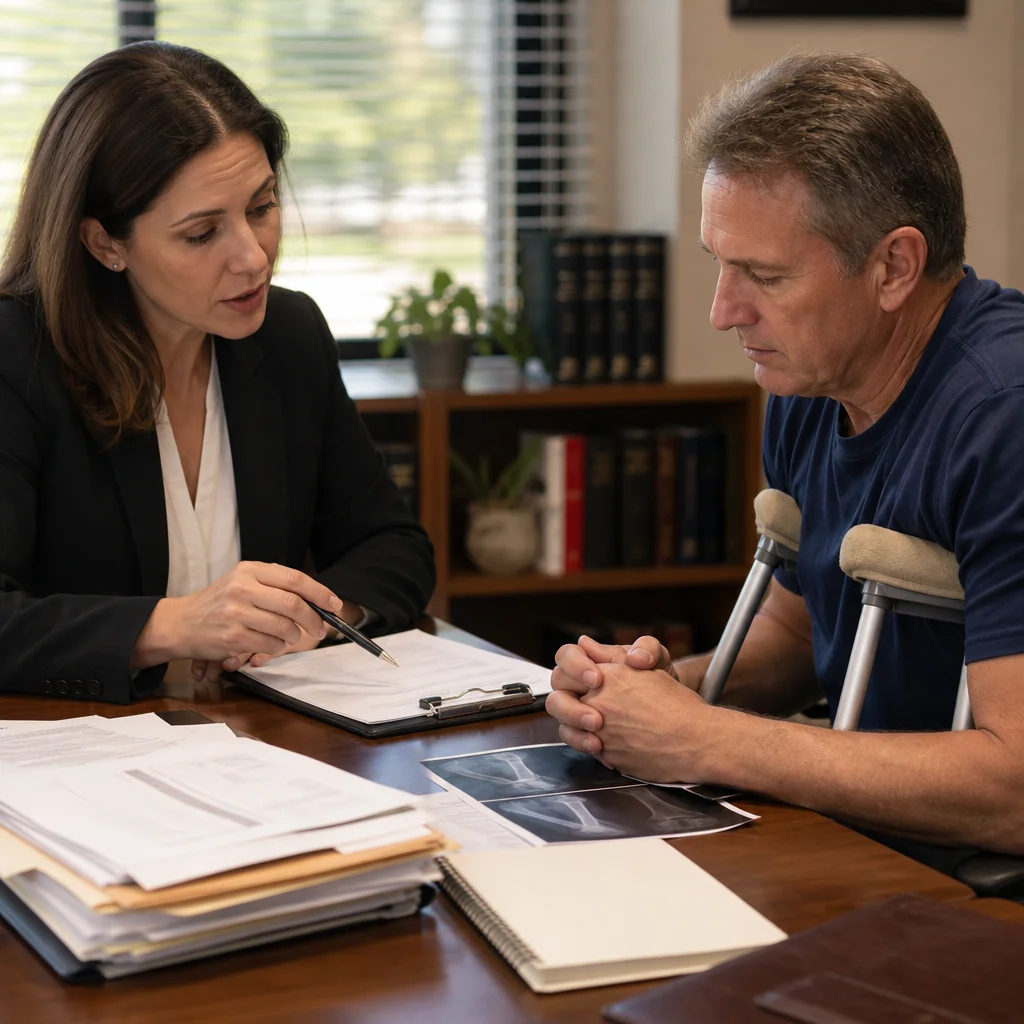
The rating process considers how your injury affects your entire body, your earning capacity, and your specific job demands. A permanent disability rating of 10% means something different for a construction worker than for an office administrator.
Our firm helps you understand permanent disability ratings and how they translate to actual compensation. The calculation is mathematical, but many workers underestimate what they should receive because they don’t understand the rating system.
Key points about ratings:
- Ratings range from 1% to 100%
- Higher ratings result in significantly higher payments
- Your occupation and age factor into the calculation
- Multiple injuries can combine for higher ratings
Ask for a detailed calculation explaining how your rating was determined. This transparency helps you evaluate whether to accept or appeal the rating.
Step 6: Navigating the Appeals Process if Needed
If you disagree with the insurer’s offered rating or benefit amount, you have the right to appeal through the WCAB. Many claims involve disputes about the permanence of injuries or the extent of functional limitations.
The appeal process includes a settlement conference where both parties present their position. If settlement doesn’t occur, your case proceeds to a hearing before a WCAB judge. At the hearing, medical evidence and testimony determine the outcome.
Appeals often result in higher awards than initial offers. Insurers make conservative initial offers knowing many workers will accept rather than pursue appeals. But with proper documentation and expert representation, appeals frequently succeed in securing additional compensation.
Timeline expectations:
- Settlement conference usually occurs 4-8 weeks after filing
- Hearing (if needed) typically scheduled 2-4 months after the conference
- WCAB decision issued within weeks following the hearing
- Either party can appeal to a higher court if needed
Don’t accept an offer that undervalues your injury simply to end the process quickly. Professional representation during appeals often recovers far more than the cost of legal services.
Common Mistakes to Avoid When Filing Your Claim
We regularly see injured workers harm their claims through preventable errors. Understanding what to avoid protects your eligibility and award amount.
The most common mistake is filing without securing proper medical documentation first. Insurers deny many claims because medical reports lack specific detail about permanence or functional limitations. Filing prematurely, before reaching maximum medical improvement, can also cause complications.
Many workers also underestimate their earning capacity loss. They accept job modifications or reduced hours without documenting this impact. When they later file, they haven’t built the factual record needed to prove significant wage loss.
Other costly mistakes include:
- Signing settlement agreements without understanding long-term implications
- Failing to report all injuries or conditions related to the workplace incident
- Missing WCAB deadlines or failing to respond to communications
- Accepting the insurer’s medical evaluation without independent verification
- Not consulting an attorney until after making costly decisions
Avoid these pitfalls by treating your claim as a formal legal process from day one. Documentation, responsiveness, and expert guidance protect your interests throughout.
Why California Work Injury Law Center Ensures Your Success
We’ve specialized in permanent disability claims for years, and we know how insurers evaluate cases, what medical evidence they prioritize, and where they typically undervalue awards. This expertise directly benefits you.
We begin by securing comprehensive medical evaluations that clearly establish permanence and functional limitations. We then build employment records that quantify your earning capacity loss. When we file, the insurer receives documentation so thorough that settlement often occurs without needing a hearing.

For claims that do proceed to appeal, we present evidence strategically, prepare you for testimony, and cross-examine the insurer’s medical experts. We’ve seen this preparation result in awards 50% higher than initial offers.
Our no recovery, no fee model means you have zero financial risk. We advance the costs of medical evaluations, investigations, and expert testimony. We recover these costs only if we win your case.
Selection Guide: Choosing Professional Legal Representation
Representing yourself in a permanent disability claim is possible but risky. The system is designed to be navigated, and small errors cost thousands in lost benefits.
When choosing representation, verify that your attorney specializes specifically in workers’ compensation, not general injury law. Verify they operate on contingency, not hourly fees, so their incentives align with yours. Confirm they have trial experience, since this credibility improves settlement offers even in cases that don’t go to hearing.
Ask prospective attorneys about their results in permanent disability cases. Request references and case examples. Understand their communication process: will you have direct access, or do paralegals handle most contact?
We meet all these standards. Our attorneys specialize exclusively in workers’ compensation cases. We’ve recovered millions for injured workers across California. We maintain direct relationships with our clients throughout their cases. Our multiple office locations mean local representation wherever you’re injured in the state.
Get Your Free Legal Consultation Today
If you’ve suffered a workplace injury in California and believe you qualify for permanent disability benefits, we encourage you to reach out. We offer free initial consultations where we evaluate your situation, explain your options, and outline what we can recover for you.
During your consultation, we’ll review your medical records, discuss your employment history, and provide a realistic assessment of your claim’s value. There’s no obligation, and everything discussed is confidential.
Contact California Work Injury Law Center today to schedule your free consultation. Call us or visit our website to connect with an attorney who specializes in getting injured California workers the compensation they deserve. Your permanent disability claim deserves expert handling, and we’re here to ensure you receive fair compensation for your injury.
Schedule a Free Consultation Phone Number: 657 605 4418
Frequently Asked Questions (FAQ)
What makes our approach to permanent disability claims different from other firms?
We focus on thoroughly documenting your medical condition and employment history from the start, which prevents delays and strengthens your case. Our team works directly with medical professionals to ensure your evaluation reflects the true extent of your permanent disability, rather than relying solely on insurance company assessments.
How long does the permanent disability claims process typically take?
The timeline varies depending on your case complexity, but we typically see initial decisions within 3-6 months after submitting your claim to the Workers Compensation Appeals Board. If we need to appeal a decision, the process may extend further, which is why we prepare your documentation carefully upfront to minimize complications.
Do we charge fees if we don’t recover compensation for you?
No. We operate on a no recovery, no fee contingency model, which means you only pay us if we successfully secure your permanent disability benefits. We take on the financial risk because we believe in the strength of injured workers’ claims when properly represented.