
Table of Contents
- Why Non-Union Workers Face Unique Challenges in Workers Compensation Claims
- Understanding Your Rights as an Unrepresented Worker in California
- The Critical Differences Between Union and Non-Union Worker Protections
- How We Navigate Complex Claims Without Union Backing
- Securing Temporary and Permanent Disability Benefits for Non-Union Injuries
- Addressing Cumulative Trauma and Psychological Injury Claims
- Our No Recovery, No Fee Commitment to Non-Union Workers
- Common Obstacles Non-Union Workers Encounter with Insurance Companies
- Documentation and Evidence Strategies We Use to Strengthen Your Case
- Why Experienced Legal Representation Matters for Non-Union Claims
- Next Steps: Getting Your Free Consultation with Our Team
- Frequently Asked Questions (FAQ)
Why Non-Union Workers Face Unique Challenges in Workers Compensation Claims
Non-union workers in California navigate a fundamentally different landscape when pursuing workers compensation claims. Without union representation backing your case, you’re typically facing insurance companies armed with experienced adjusters, legal teams, and established protocols designed to minimize payouts. The burden of understanding complex regulations, filing deadlines, and benefit calculations falls squarely on your shoulders.
Insurance carriers know that unrepresented workers often lack familiarity with California’s workers compensation system. They may accept lowball settlement offers, miss critical filing deadlines, or fail to document injuries thoroughly. Non-union workers also frequently lack access to union-negotiated benefit standards or union representatives who can advocate during the claims process.
What makes this harder: You’re managing medical treatment coordination, insurance paperwork, and potential disputes while recovering from an injury. Many non-union workers discover too late that they’ve missed opportunities to claim permanent disability benefits or psychological injury compensation because they didn’t understand their entitlements.
Our role is to level that playing field. We’ve represented thousands of non-union workers and understand exactly where carriers attempt to limit benefits and how to fight back effectively.
Understanding Your Rights as an Unrepresented Worker in California
California’s workers compensation system provides rights to virtually all employees, union and non-union alike. These protections exist regardless of whether your employer carries union benefits or follows a collective bargaining agreement. However, knowing these rights and enforcing them are two different challenges.
You have the right to medical treatment for any work-related injury without paying out of pocket. You’re entitled to temporary disability benefits while unable to work and permanent disability compensation if your injury causes lasting impairment. You can also pursue claims for cumulative trauma injuries caused by repetitive work activities, even if no single incident triggered them.
Beyond direct injury claims, California recognizes psychological injury claims when work-related incidents cause mental health conditions. Construction workers exposed to on-site trauma, customer service employees facing verbal abuse, or any worker experiencing significant job stress may qualify for coverage.
The challenge: Understanding which benefits apply to your specific injury and how much you’re legally owed requires knowledge of California Labor Code sections, Division of Workers Compensation regulations, and case law precedents. Unrepresented workers often settle for far less than they deserve simply because they don’t know what they should be asking for.
The Critical Differences Between Union and Non-Union Worker Protections
Union workers typically enjoy advantages built into collective bargaining agreements: higher benefit maximums, expedited dispute resolution through union grievance procedures, and immediate access to union representatives who understand their specific contract. These structures can speed up claim resolution and increase settlement leverage.
Non-union workers operate under the baseline California workers compensation framework without those negotiated enhancements. Your employer isn’t bound by union-negotiated benefit standards, and you won’t have a union representative automatically involved in your claim. This doesn’t mean your rights are weaker in law, but your practical ability to enforce them is more challenging without legal guidance.
Additionally, union workers often have immediate notification procedures and established relationships with union attorneys. Non-union workers must independently discover that legal representation is available and actively seek it out.
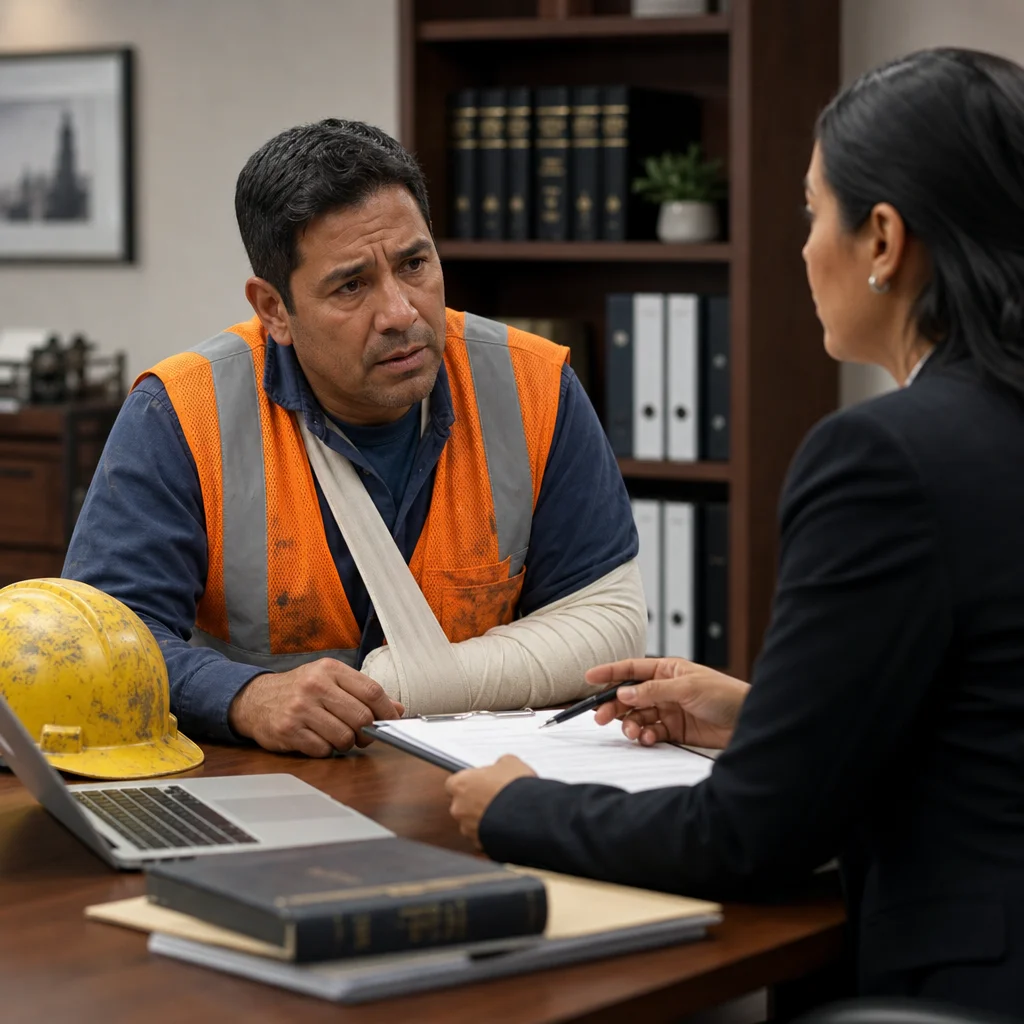
The silver lining: California’s statutory protections for non-union workers are robust. You’re entitled to the same temporary disability periods, the same permanent disability formulas, and the same access to psychological injury benefits as any union worker. The difference lies in having someone actively protecting and advocating for those rights.
How We Navigate Complex Claims Without Union Backing
We approach non-union injury representation by becoming your advocate in the exact role a union representative would play. We immediately begin documenting your injury, medical treatment, and work history. We communicate directly with insurance carriers, preventing them from communicating directly with you in ways that might inadvertently weaken your claim.
Our process includes analyzing your job duties to identify whether cumulative trauma applies, reviewing your medical records to establish causation, and calculating what your permanent disability award should be under California’s Permanent Disability Rating Schedule. We understand how insurance adjusters interpret medical evidence and we know which specialist opinions carry the most weight.
For construction workers and field employees, we’re particularly experienced in site-specific injury representation. We’ve handled countless cases involving equipment failures, fall injuries, and workplace safety violations. We know which OSHA violations strengthen your claim and how to request investigation reports that prove negligence or inadequate safety measures.
Action step: If you’ve been injured, document everything today: photos of the injury scene, names of witnesses, the exact time and nature of the incident, and medical providers you’ve already seen. This information becomes invaluable evidence when we build your case.
Securing Temporary and Permanent Disability Benefits for Non-Union Injuries
Temporary disability benefits replace lost wages while you recover and are unable to work. In California, these benefits typically equal two-thirds of your average weekly wage, subject to state maximum limits. Many non-union workers don’t realize these benefits automatically begin when you stop working due to your injury, but they only continue if your physician confirms your work restrictions.
Permanent disability compensation is the most misunderstood benefit. After reaching maximum medical improvement (the point where further treatment won’t improve your condition), you may be entitled to a lump-sum or structured award based on your impairment rating. This calculation involves specific formulas under California Labor Code and considers your age, occupation, and the nature of your injury.
We ensure your medical providers complete all necessary documentation to support these benefit calculations. We also challenge insurance carrier arguments that injuries don’t meet the threshold for permanent disability awards. Many carriers attempt to classify injuries as “minor” to avoid higher benefit obligations.
For workers with partial work capacity after recovery, we fight to establish vocational rehabilitation benefits if you can’t return to your previous job. This covers retraining and education costs that get you back into comparable employment.
Addressing Cumulative Trauma and Psychological Injury Claims
Cumulative trauma claims protect workers injured by repetitive job activities rather than single incidents. A warehouse worker developing carpal tunnel syndrome, a laborer with chronic back pain from heavy lifting, or a nurse with shoulder injury from patient handling all potentially qualify. These claims are often overlooked because they don’t involve dramatic incidents, making it harder to prove work causation.
We build cumulative trauma cases by documenting job duties over time, gathering medical evidence that the condition is work-related, and establishing the timeline of symptom development. We know which medical experts testify convincingly about repetitive stress injuries and how to counter insurance company arguments that your condition stems from non-occupational causes.
Psychological injury claims require similar rigor. An employee experiencing PTSD after a workplace assault, panic disorder following a serious workplace accident, or depression triggered by workplace harassment may qualify. California recognizes that psychological trauma is as real and compensable as physical injury when work-related factors caused it.
These claims demand detailed medical documentation and often benefit from psychological expert testimony. We coordinate with treating providers to ensure they explicitly link your condition to the workplace event or work environment.
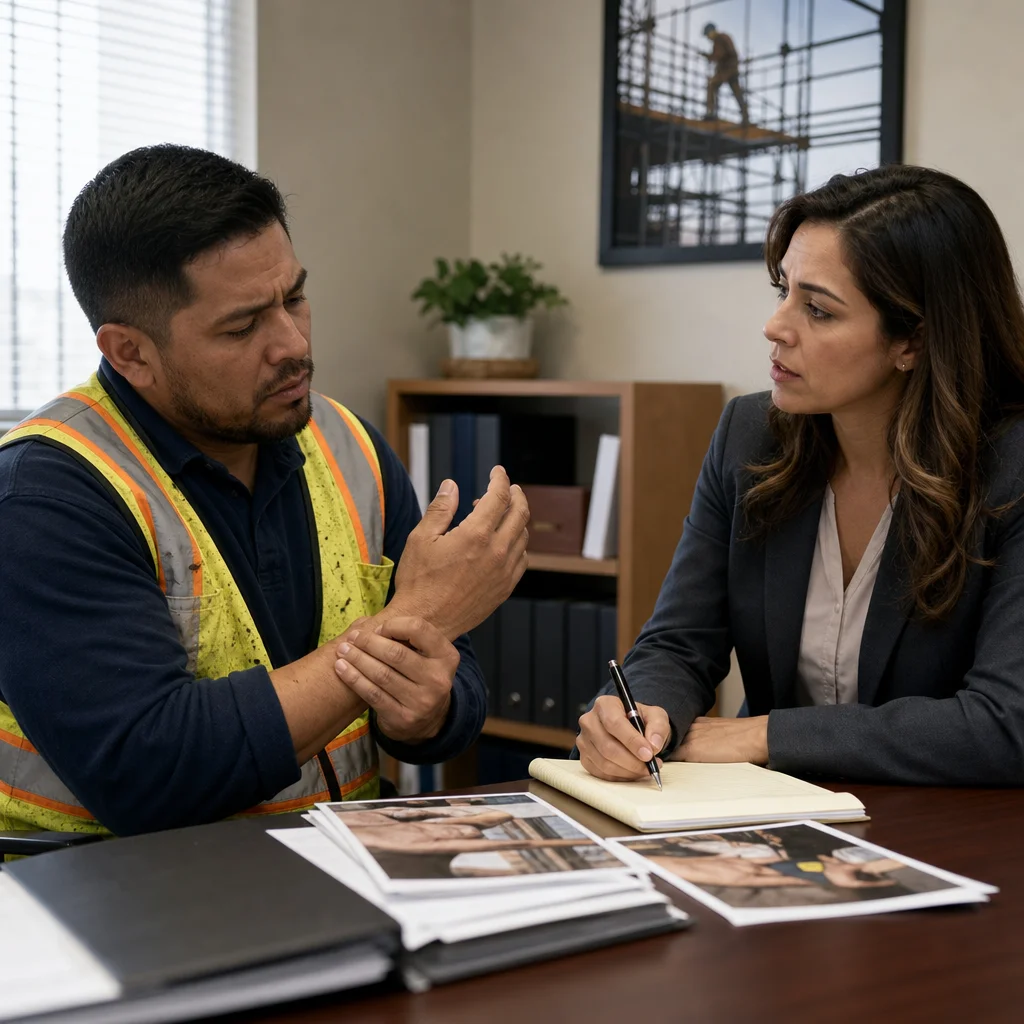
Our No Recovery, No Fee Commitment to Non-Union Workers
We operate on a contingency fee basis because we believe injured workers shouldn’t pay legal costs upfront while they’re managing recovery expenses and lost income. You pay nothing unless we recover benefits or settlement funds for you. When we do recover, our fee comes from that recovery, not from your pocket.
This arrangement aligns our interests with yours completely. We only succeed when you succeed. We’re not motivated to settle quickly or accept inadequate offers because we only get compensated when we obtain maximum value for your claim.
Our commitment means you can pursue legal representation without financial risk. Many injured workers delay seeking counsel because they assume they can’t afford a lawyer. Our structure removes that barrier entirely.
Common Obstacles Non-Union Workers Encounter with Insurance Companies
Insurance adjusters typically employ several tactics to minimize non-union worker claims: delaying benefit payments, denying claims without adequate investigation, requesting excessive medical information to stall resolution, and pressuring injured workers into quick settlements.
They often argue that injuries are pre-existing conditions unrelated to work, particularly when workers have past medical history. They challenge permanent disability ratings by claiming your condition will improve beyond what medical evidence supports. They deny psychological injury claims by characterizing them as personal mental health issues rather than occupational injuries.
Adjusters may also contact you directly, requesting recorded statements or private medical records. Without legal representation, injured workers often provide information that the insurance company later uses against them.
We intercept these interactions immediately. Once we’re involved, carriers must communicate through us, preventing them from obtaining statements that might weaken your case. We also review every document they request and provide only what’s legally required while protecting your privacy.
Documentation and Evidence Strategies We Use to Strengthen Your Case
Strong documentation transforms weak claims into compelling cases. We systematically gather witness statements from coworkers who observed your injury. We obtain employer records showing your job duties, hours worked, and any prior complaints about unsafe conditions. We request incident reports, safety inspection records, and any prior injuries involving similar mechanisms.
Medical documentation is equally critical. We ensure your healthcare providers document the exact mechanism of injury, work-relatedness findings, and functional limitations resulting from your condition. We obtain imaging studies, diagnostic test results, and specialist evaluations that substantiate your injury severity.
We also collect non-medical evidence: photographs of the workplace, equipment involved in your injury, safety violations present at the time, and any employer training records or safety manuals relevant to the incident.
This comprehensive documentation approach prevents insurance companies from claiming insufficient evidence. When we present a complete factual record supported by medical evidence and witness testimony, settlement negotiations shift dramatically in your favor.
Why Experienced Legal Representation Matters for Non-Union Claims
Experienced non-union injury representation provides practical advantages at every stage. We understand how California courts interpret benefit entitlements, which medical experts carry weight with judges, and how to counter specific insurance company arguments.

We know which details matter. A seemingly minor fact about how you reported your injury, the exact wording your doctor uses in medical records, or the timing of your claim can significantly impact benefits. Unrepresented workers miss these details entirely.
We also manage the emotional burden of fighting for your claim. Recovery is difficult enough without simultaneously battling insurance companies. Having experienced advocates handling these disputes allows you to focus on healing.
Our representation also streamlines resolution. Rather than months of back-and-forth communications and formal disputes, experienced negotiation often resolves claims efficiently. When settlement isn’t possible, we’re prepared to litigate aggressively on your behalf.
To understand your specific situation, explore our approach to handling workplace injury claims with expert representation.
Next Steps: Getting Your Free Consultation with Our Team
If you’ve suffered a workplace injury in California, you have nothing to lose by discussing your case with our experienced team. We offer free legal consultations where we’ll review your injury, explain your rights, and outline how we can help.
During your consultation, bring any documentation you have: medical records, incident reports, employer communications, and witness information. We’ll ask detailed questions about your injury mechanism, current medical treatment, and any income losses you’ve experienced.
We maintain multiple office locations throughout California, and we’re prepared to represent non-union workers in every county. Contact us today to schedule your free consultation. Let us fight to secure the workers compensation benefits you’ve earned and deserve.
Schedule a Free Consultation Phone Number: 657 605 4418
Frequently Asked Questions (FAQ)
What makes non-union worker injury claims different from union worker claims?
Non-union workers lack the protective agreements and union representation that help unionized employees navigate workers compensation claims. We find that non-union workers often face more aggressive pushback from insurance companies and have fewer resources to document injuries properly. Our role is to level that playing field by providing the same expert advocacy that union workers typically receive through their representatives.
How does our no recovery, no fee model protect non-union workers?
We only get paid when we secure compensation for you, which means we assume the financial risk of your case rather than placing that burden on you. This arrangement aligns our interests completely with yours since we’re motivated to fight for the maximum benefits you deserve. You can pursue your claim without worrying about upfront legal costs or fees if we don’t win your case.
Can we help with cumulative trauma or psychological injuries if I’m a non-union worker?
Yes, we regularly represent non-union employees pursuing claims for cumulative trauma and psychological injuries, which are often more difficult to prove than single-incident injuries. We use comprehensive documentation strategies and expert testimony to establish the connection between your workplace conditions and your injury. Many insurance companies initially deny these claims, but we know how to challenge those denials effectively.