
Table of Contents
- When Your Employer Retaliates After a Construction Accident
- Why Construction Workers Face Illegal Termination Risks
- California's Legal Protections Against Injury-Based Firing
- How Wrongful Termination and Workers Compensation Intersect
- Proving Retaliation and Building Your Case
- Our Proven Strategy for Construction Accident Termination Claims
- What Your Wrongful Termination Claim Could Be Worth
- The No Recovery, No Fee Advantage for Your Case
- Why You Need Specialized Construction Injury Legal Counsel
- Next Steps: Protecting Your Rights and Your Future
- Frequently Asked Questions (FAQ)
When Your Employer Retaliates After a Construction Accident
Construction work carries inherent risks. What shouldn’t carry risk is your job security after you’ve been hurt. Yet across California, injured construction workers report termination shortly after reporting an injury, filing a workers’ compensation claim, or taking time away from work to recover. If this has happened to you, you need to understand that California law provides specific protections against this form of retaliation.
At California Work Injury Law Center, we represent construction workers who face wrongful termination following workplace accidents. We’ve helped countless injured workers fight back against employers who illegally terminated them in response to injury claims. This guide explains your rights, the legal mechanisms that protect you, and how to move forward.
Retaliation after a construction accident takes many forms. An employer might fire you days after you file a workers’ compensation claim. They might terminate you during recovery, claiming “restructuring” or “performance issues” that never existed before your injury. Some employers pressure injured workers to resign by reducing hours, reassigning them to dangerous tasks they can’t perform, or creating a hostile work environment.
The timing is often the clearest indicator of illegal retaliation. If your termination occurred within days or weeks of reporting your injury, filing a claim, or requesting workers’ compensation benefits, courts scrutinize the employer’s stated reason carefully. Employers rarely admit they fired you because of your injury. Instead, they cite poor performance, attendance problems, or budget cuts that conveniently coincide with your claim.
What makes this particularly damaging is that you’re already dealing with recovery. Medical bills mount while your paycheck stops. The stress of unexpected unemployment compounds your physical healing and creates financial instability at the worst possible moment. This is precisely why California has built legal protections into its system.
Actionable takeaway: Document everything from the moment you report your injury. Record dates of your injury report, workers’ compensation filing, medical appointments, and your termination notice. Write down what happened and who was present. This documentation becomes crucial evidence later.
Why Construction Workers Face Illegal Termination Risks
Construction workers face higher retaliation risk than many other industries, and there are practical reasons why. Construction projects operate on tight timelines and budgets. When a worker gets injured and files a workers’ compensation claim, it increases the employer’s experience modification rate (the rate used to calculate insurance premiums). Some employers view injured workers as expensive liabilities rather than valued employees.
Additionally, construction employment often lacks the formal HR structures found in larger corporations. Many construction companies are smaller operations where the owner or supervisor makes hiring and firing decisions directly. Without formal performance review processes or documented policies, it becomes easier for employers to terminate without clear documentation of legitimate reasons.
The pressure intensifies on large projects. If your injury requires you to miss work or modify your duties, your employer might replace you with another worker. Rather than rehire you after recovery, they simply eliminate the position or claim you’re no longer capable of the job. These decisions happen quickly in construction, sometimes without the worker ever having a conversation about their return-to-work status.
Construction workers also have less bargaining power than unionized trades in some cases. You might fear speaking up about retaliation because you worry about your reputation in a tight-knit industry. That fear is understandable, but it shouldn’t silence you. California law exists specifically to protect workers from this situation.
California’s Legal Protections Against Injury-Based Firing
California provides multiple layers of legal protection for injured workers. These protections are statutory, meaning they’re written directly into California law and don’t depend on individual company policies.
Labor Code Section 132a is the cornerstone protection. It prohibits employers from discharging, threatening, or coercing employees for filing a legitimate workers’ compensation claim. This means your employer cannot legally fire you simply because you reported your injury or filed for benefits.

Labor Code Section 148.3 goes further by protecting workers who file claims for workplace injuries, submit reports of occupational diseases, or testify in workers’ compensation proceedings. Retaliation under this statute includes discharge, discrimination, threat, or intimidation.
Beyond workers’ compensation retaliation statutes, California’s wrongful termination doctrine protects you if your firing violates fundamental public policy. Filing a workers’ compensation claim is considered fundamental public policy in California. Courts have ruled repeatedly that terminating an employee for exercising workers’ compensation rights violates public policy, even without a specific statutory violation.
Additionally, if your termination involved discrimination based on disability (your work-related injury), you may have claims under the California Fair Employment and Housing Act (FEHA) and the federal Americans with Disabilities Act (ADA). These laws protect employees from being fired because of disability-related medical needs or limitations.
The combination of these protections means you have multiple legal avenues to pursue. We typically evaluate which claims apply most strongly to your specific situation.
How Wrongful Termination and Workers Compensation Intersect
Understanding how these claims interact is important. Workers’ compensation benefits and wrongful termination claims serve different purposes and proceed through different processes.
Workers’ compensation benefits replace lost wages and cover medical expenses regardless of who was at fault. You generally cannot sue your employer over the injury itself through civil court. However, wrongful termination is separate from the injury itself. It’s retaliation for exercising your right to pursue workers’ compensation.
Here’s where the intersection matters: when you file a workers’ compensation claim, you trigger protections against retaliation. If your employer then fires you, they may have violated both workers’ compensation retaliation statutes and general wrongful termination law. You can pursue workers’ compensation benefits for your injury while simultaneously pursuing a wrongful termination claim for the illegal firing.
Some injured workers mistakenly believe they must choose between pursuing workers’ compensation and suing for wrongful termination. This isn’t accurate. You can receive workers’ compensation benefits (partial wage replacement and medical coverage) while also pursuing a civil lawsuit against your employer for damages caused by the illegal firing. These are parallel claims, not competing ones.
We help clients understand which claims to pursue based on the strength of evidence and the potential recovery available through each path.
Proving Retaliation and Building Your Case
Successfully proving wrongful termination requires establishing that retaliation occurred. Courts apply what’s called the “burden shifting” framework in these cases. You must first show evidence that suggests retaliation. This is called making a “prima facie” case.
To establish prima facie retaliation, we demonstrate: (1) you engaged in a protected activity (filing a workers’ compensation claim), (2) your employer knew about it, (3) you suffered an adverse employment action (termination), and (4) the timing suggests a causal connection between the protected activity and the adverse action.
Timing is critical here. Termination within days or weeks of filing a claim creates a strong inference of retaliation. We build this timeline carefully, often uncovering the exact dates through discovery and requests for your employment records.
After you establish the prima facie case, the burden shifts to your employer to prove legitimate, non-retaliatory reasons for the firing. This is where documentation becomes invaluable. Emails, performance reviews, termination letters, and witness statements all contribute to your case. We gather evidence showing whether these stated reasons are genuine or pretextual.
Evidence of pretextual reasons includes: performance issues that weren’t documented before your injury, sudden citations of policy violations that weren’t enforced against other employees, inconsistent application of rules, or statements from coworkers indicating the real reason for termination.
What you should do now: If you’re still employed after your injury, save all performance reviews, emails, and messages from your employer. If you’ve been terminated, request your entire personnel file, including performance evaluations, emails, and any documentation from the investigation (if one occurred). These documents form the backbone of your case.
Our Proven Strategy for Construction Accident Termination Claims

Our approach to construction accident termination cases combines immediate damage control with strategic investigation. When you first contact us, we immediately send a preservation of evidence letter to your employer. This legal notice instructs them to preserve all documents, emails, and communications related to your injury and termination. This prevents employers from destroying potentially damaging evidence.
Simultaneously, we conduct a thorough investigation. We interview you in detail about the timing of events, statements made by management, workplace culture, and any witnesses who observed the retaliation. We request your complete employment file, including hiring documents, performance evaluations, training records, and communications.
We analyze whether your case is stronger under specific workers’ compensation retaliation statutes or general wrongful termination principles. Sometimes both apply. We also evaluate whether discrimination claims under FEHA or ADA strengthen your position. We then develop a claim strategy that maximizes your recovery potential.
In many cases, the combination of strong evidence and multiple viable claims encourages settlement negotiations. Employers understand that losing a trial on retaliation claims can result in significant damages, and they may prefer to settle. We negotiate aggressively on your behalf while remaining prepared for trial if settlement doesn’t align with your interests.
What Your Wrongful Termination Claim Could Be Worth
Damages in wrongful termination cases fall into several categories. Lost wages are the foundation: the salary and benefits you would have earned from termination until trial or settlement. For construction workers, this often includes lost benefits and potentially lost opportunities for future employment.
Non-economic damages compensate you for emotional distress, damage to professional reputation, and harm to your career prospects. Construction workers injured on the job who are then terminated often experience significant emotional trauma and anxiety about future employment. California law allows recovery for these losses.
Punitive damages may be available if your employer’s conduct was particularly egregious. If management deliberately disregarded your rights, acted with malice, or engaged in fraud, courts may award punitive damages to punish the employer and deter similar conduct. These damages can be substantial and are meant to send a message that this behavior won’t be tolerated.
Attorney fees are also recoverable in some wrongful termination cases, particularly those involving statutory violations like workers’ compensation retaliation. This means the losing employer may pay your legal fees, reducing your out-of-pocket costs.
The actual value of your claim depends on factors like your age, occupation, earning history, length of time unemployed after termination, and the severity of emotional harm. Construction workers with strong employment records and significant lost wages often see substantial settlements or judgments.
The No Recovery, No Fee Advantage for Your Case
We represent injured construction workers on a contingency fee basis. This means you don’t pay attorney fees unless we recover compensation for you. If we don’t win your case, you don’t owe us anything. This aligns our interests completely with yours: we only earn fees when you succeed.
The contingency model removes financial barriers to pursuing your rights. You shouldn’t have to choose between hiring excellent legal representation and paying for your recovery and living expenses. Our fee arrangement eliminates that impossible choice.
Because we work on contingency, we carefully evaluate cases before taking them. We don’t accept weak cases just to generate fees. We commit our resources to cases where we believe we can achieve meaningful recovery for you. This selectivity means every case we take receives serious attention and experienced counsel.
When we discuss your case initially, we explain the contingency arrangement clearly. You’ll understand exactly how fees work, what percentage we’ll receive if we recover, and what happens if we don’t. This transparency lets you make an informed decision about representation.
Why You Need Specialized Construction Injury Legal Counsel
Wrongful termination cases following construction accidents require specialized expertise. Our attorneys have years of experience representing construction workers across California. We understand the unique dynamics of construction employment, the pressures that lead to retaliation, and how to prove causation between injury and termination.
Construction injury law intersects with employment law, workers’ compensation law, and in some cases, disability discrimination law. You need counsel experienced across these areas, not a general employment attorney. General practitioners may miss strategic opportunities or fail to recognize how multiple legal theories strengthen your case.
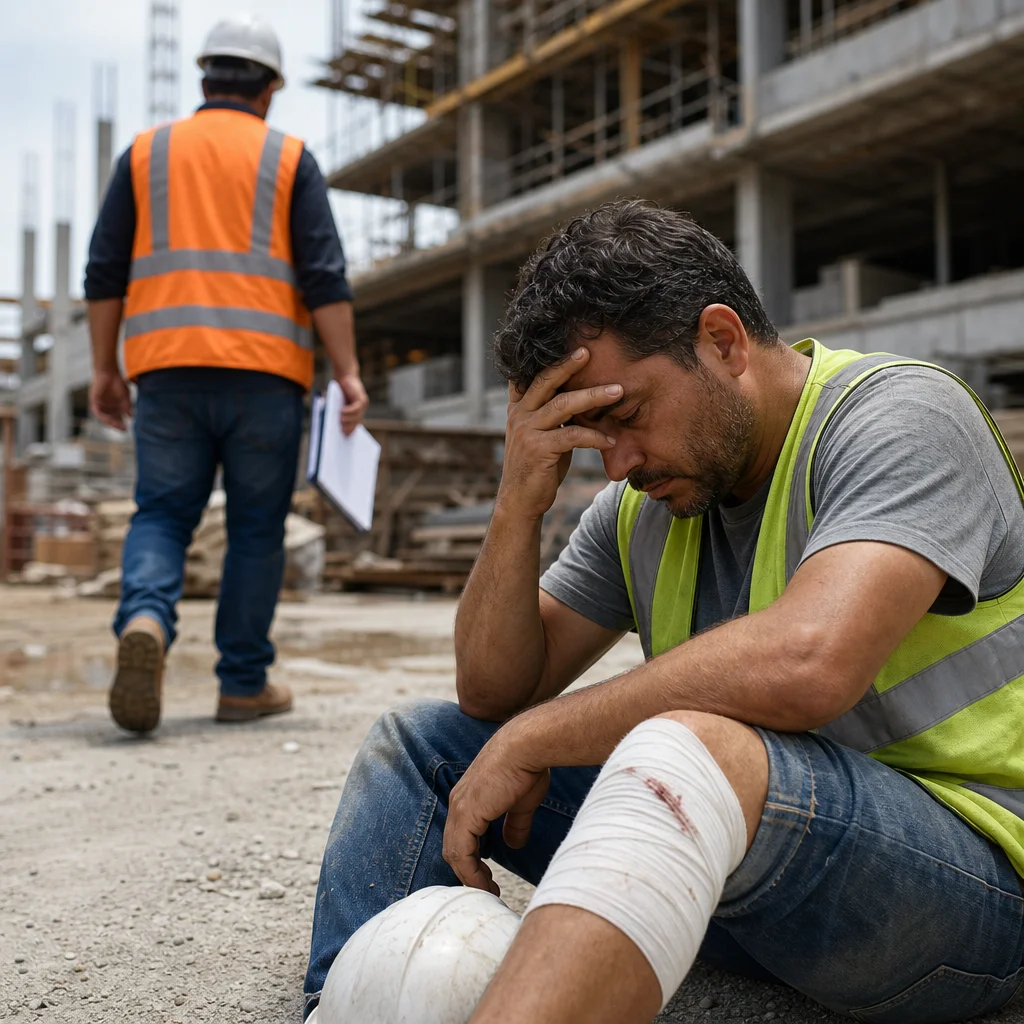
We’ve developed relationships with construction industry experts, workers’ compensation specialists, and disability experts who strengthen our cases through credible testimony and analysis. We understand the construction timeline, project pressures, and typical industry practices that provide context for why retaliation occurred.
More importantly, we’ve built a track record with construction workers. We understand the financial pressures injured construction workers face: medical bills, no paycheck, family responsibilities. This understanding informs how we approach your case and what we prioritize in settlement negotiations.
When you work with us, you’re not working with attorneys who dabble in construction injury cases. You’re working with a firm dedicated specifically to this practice area. We’ve dedicated our entire practice to injured construction workers throughout California.
Next Steps: Protecting Your Rights and Your Future
If you’ve been fired after a construction accident, the time to act is now. Evidence deteriorates, memories fade, and employers continue their normal business. The sooner we investigate and document what happened, the stronger your case becomes.
Contact us for a free legal consultation. This conversation costs you nothing and obligates you to nothing. We’ll listen to what happened, explain your legal options, and discuss the potential value of your claim. We’ll answer your questions directly and honestly.
During our consultation, bring any documentation you have: your termination letter, performance reviews, medical records, workers’ compensation correspondence, and notes about timing and events. If you don’t have these, we can often obtain them through formal requests to your employer.
If you decide to move forward with representation, we begin immediately protecting your rights. We send preservation of evidence notices to your employer, initiate investigation, and start building your case. Throughout the process, we keep you informed and involved. Your experience and perspective matter as much as our legal expertise.
You were wronged twice: injured at work, then fired for exercising your legal rights. California law recognizes this injustice and provides compensation. We’re here to ensure you receive every dollar your case warrants. Contact California Work Injury Law Center today to discuss your wrongful termination case and explore your legal options. With our no recovery, no fee commitment, you have nothing to lose by seeking expert representation.
For further reading: Wrongful termination after workplace injury.
Schedule a Free Consultation Phone Number: 657 605 4418
Frequently Asked Questions (FAQ)
Can my employer legally fire me after I report a construction accident?
No, your employer cannot legally terminate you in retaliation for reporting a workplace injury or filing a workers’ compensation claim in California. We understand that many injured construction workers face termination shortly after an accident, but this violates California Labor Code protections. We can help you determine whether your firing was retaliatory and what compensation you may be entitled to recover.
What is the difference between a wrongful termination claim and a workers’ compensation claim?
We handle both types of claims because they serve different purposes. Your workers’ compensation claim covers your medical expenses and lost wages from the injury itself, while a wrongful termination claim addresses damages from being fired illegally after that injury. We’ve found that injured workers often qualify for both, and we pursue maximum recovery through each avenue available under California law.
How do you get paid if I can’t afford an attorney upfront?
We work on a no recovery, no fee contingency basis, which means we only get paid when you win your case. We front all the costs of pursuing your claim, so you don’t pay anything out of pocket while we fight for your rights. This approach removes the financial barrier that many injured construction workers face when seeking legal representation.