
Table of Contents
- When Your Injuries Build Up Over Time: Understanding Cumulative Trauma
- The Cumulative Trauma Problem California Workers Face
- Why Multiple Employers Complicate Your Claim
- How California Law Protects Workers with Cumulative Injuries
- Identifying Your Cumulative Trauma Claim Eligibility
- Our Proven Approach to Multi-Employer Cumulative Claims
- Maximizing Your Permanent Disability Benefits
- How We Navigate Insurance Disputes on Your Behalf
- What You Can Recover in Cumulative Trauma Cases
- Common Mistakes That Reduce Your Compensation
- Your Free Consultation: Let Us Evaluate Your Case
- Frequently Asked Questions (FAQ)
When Your Injuries Build Up Over Time: Understanding Cumulative Trauma
Cumulative trauma claims differ fundamentally from acute work injuries. Rather than a single accident or incident, your injury develops gradually through repetitive motions, prolonged exposure, or accumulated stress over months or years. A warehouse worker developing carpal tunnel after five years of scanning packages, a teacher experiencing vocal cord damage from constant classroom instruction, or a construction laborer with degenerative spine conditions from decades of heavy lifting all experience cumulative trauma.
We represent workers who didn’t sustain obvious injuries but whose bodies deteriorated due to the nature of their work itself. The challenge with cumulative claims is proving causation when symptoms appear long after the work began, and especially when you’ve changed employers along the way. Unlike slip-and-fall injuries with clear documentation, cumulative trauma requires detailed medical evidence connecting your job duties to your condition.
The Cumulative Trauma Problem California Workers Face
California workers with cumulative injuries face two major obstacles. First, many don’t recognize their condition qualifies for workers’ compensation until significant damage has occurred. You might attribute joint pain to aging or assume chronic fatigue is simply stress, missing the window to document workplace causation. Second, insurance carriers aggressively challenge cumulative claims, arguing your condition resulted from non-work factors like genetics, personal habits, or natural aging.
We’ve observed that workers changing jobs frequently struggle most. Your former employer’s insurance carrier might deny responsibility, claiming your condition developed under a different employer’s watch. You’re left uncertain about which company’s insurance should cover your claim, and insurers exploit this confusion to minimize payouts or deny claims altogether. The longer you wait to file, the harder it becomes to establish the causal connection between your job duties and your injury.
Why Multiple Employers Complicate Your Claim
When you’ve worked for multiple employers before symptoms appeared, determining liability becomes legally complex. California workers’ compensation law generally recognizes the employer at the time the employee first becomes aware of both the injury and its relationship to employment. However, proving when that awareness occurred requires careful documentation and medical testimony.
Here’s the real problem: if you worked for Employer A for eight years performing repetitive assembly work, then moved to Employer B for two years before developing symptoms, which company bears responsibility? Insurance carriers will argue that Employer B should cover it since symptoms emerged during that employment period. Meanwhile, Employer B’s insurance will contend the repetitive trauma originated under Employer A’s roof. You become caught between competing liability arguments while your condition worsens.
We navigate these jurisdictional disputes by building a comprehensive employment and medical history. We obtain detailed job descriptions from each employer, secure medical records showing the progression of your condition, and present expert testimony connecting your specific job duties to your injury pattern. This multi-layered approach removes the ambiguity that insurers rely on to deny your claim.
How California Law Protects Workers with Cumulative Injuries
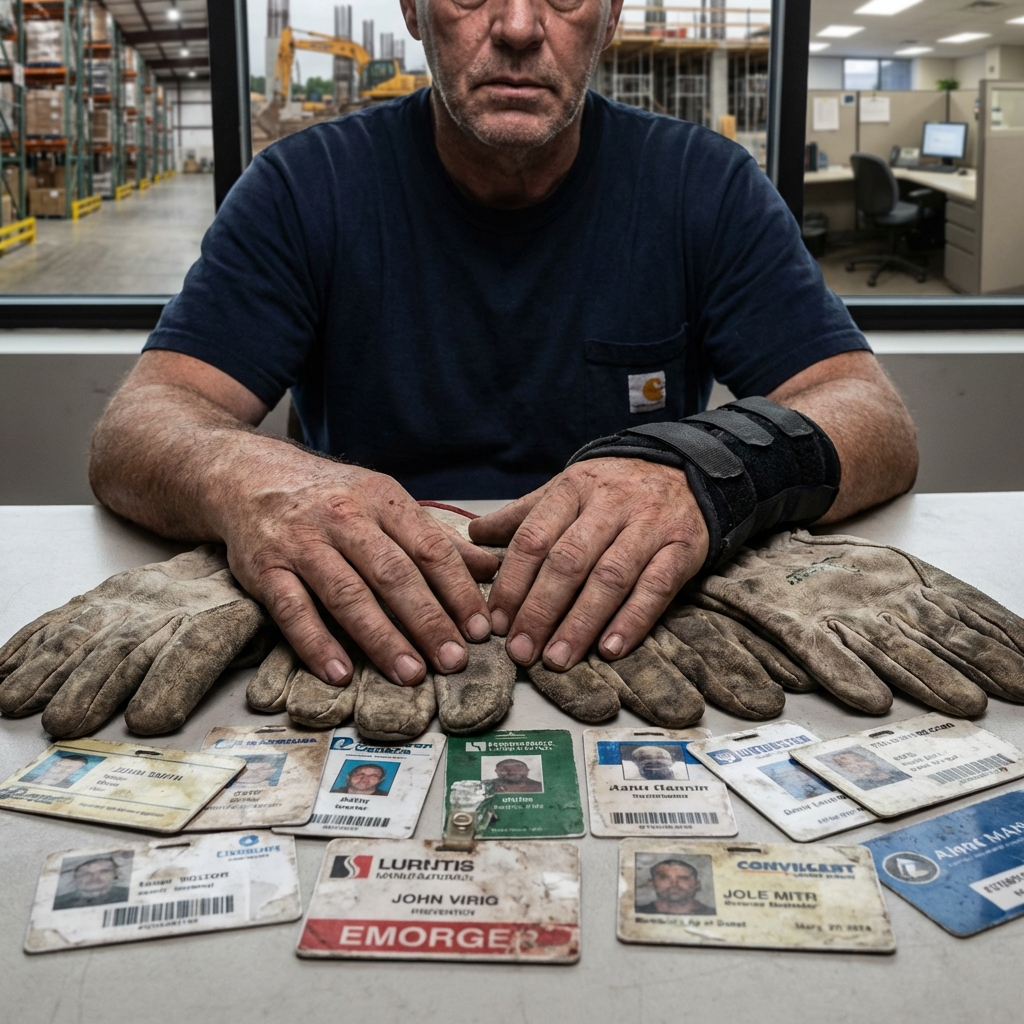
California Labor Code Section 5500 explicitly includes occupational diseases and cumulative trauma within workers’ compensation coverage. This means you’re protected even if your injury developed over years rather than occurring suddenly. The state recognizes that certain job categories inherently cause specific injuries when workers perform those duties long-term.
The law also establishes that the date of injury for cumulative trauma is typically the date you discover both the injury and its relationship to your employment, not the first day you performed the repetitive task. This protection matters significantly because it prevents employers from arguing that merely starting a job constitutes the injury date. Instead, California law requires actual knowledge of the injury and its work connection.
Additionally, California’s burden of proof favors injured workers in cumulative cases. You don’t need to prove your condition was the sole cause of your job duties. Rather, your employment must be a contributing factor. We use this legal standard to build stronger claims, showing how your job duties accelerated or triggered your condition even if other factors also contributed.
Identifying Your Cumulative Trauma Claim Eligibility
You likely have a viable cumulative trauma claim if you’ve performed the same or similar repetitive job duties for an extended period and have developed a corresponding injury. Construction workers with back pain after years of heavy lifting, office workers with wrist injuries from constant typing, and healthcare workers with shoulder injuries from patient transfers all typically qualify.
Several indicators suggest you should pursue a claim:
- Your job involved repetitive motions, vibration exposure, or prolonged awkward postures
- Medical records document your condition developing or worsening while employed
- Multiple healthcare providers have attributed your condition to occupational factors
- Your symptoms align with well-documented occupational diseases for your industry
- You still experience functional limitations affecting work capacity
The timing matters too. If you left that job and developed symptoms years later without intervening employment in similar roles, establishing causation becomes harder. Document your work history now, including job titles, employer names, employment dates, and specific duties performed. Medical records from that employment period are equally valuable.
Our Proven Approach to Multi-Employer Cumulative Claims
We begin cumulative trauma cases by taking a comprehensive employment chronology. We request records from every employer during the relevant period, documenting your specific job duties, equipment used, and physical demands. This detailed history becomes the foundation for medical experts who can testify about how your work caused or accelerated your condition.
Next, we coordinate with your medical providers to establish causation through proper documentation. We ensure your medical records clearly connect your symptoms to your job duties and include specific observations about how your work aggravated or caused your injury. When gaps exist in medical documentation, we arrange independent medical evaluations from specialists who can provide expert testimony about occupational causation.
We then identify the correct insurer responsible for your claim. This requires understanding which employer was active during the critical period when your injury manifested and when you gained awareness of the work connection. We pursue claims against the appropriate insurance carrier while building defenses against inevitable denials. Our litigation team stands ready to file administrative appeals or court cases if insurers wrongfully deny your legitimate claim.
Maximizing Your Permanent Disability Benefits
Permanent disability ratings determine your compensation amount, making this calculation critical. We work with medical evaluators to ensure your permanent disability rating accurately reflects your functional limitations. Insurance carriers often propose artificially low ratings that fail to account for the full extent of your condition’s impact on your ability to work.

California uses a Permanent Disability Rating Schedule to calculate benefits based on your age, occupation, and degree of disability. A warehouse worker with 60% permanent disability receives significantly more compensation than one rated at 30%, even with identical medical findings. We challenge undervalued ratings by presenting medical evidence supporting higher disability percentages and highlighting how your condition affects your specific job capacity.
We also pursue supplemental job displacement vouchers when your injury prevents return to your pre-injury position. These vouchers fund retraining in occupations compatible with your permanent limitations. If your back injury prevents return to construction work, your voucher could support training in a desk-based role requiring less physical demand.
How We Navigate Insurance Disputes on Your Behalf
Insurance carriers managing cumulative trauma claims frequently deny responsibility, claim medical treatment isn’t necessary, or dispute causation entirely. We handle these disputes through structured processes designed to maximize your recovery. Our first response involves sending detailed demand letters citing medical evidence, California Labor Code provisions, and case precedent supporting your claim eligibility.
When insurers deny benefits improperly, we file administrative appeals before the Appeals Board. This formal process requires presenting medical testimony, employment records, and legal arguments demonstrating your claim’s validity. We’ve successfully appealed numerous denials by presenting expert medical testimony about occupational causation that the insurer initially dismissed.
If administrative remedies prove insufficient, we’re prepared to litigate your case in workers’ compensation court. We subpoena employer records, depose insurance adjusters, and present expert testimony establishing causation. Our trial team has extensive experience winning difficult cumulative trauma cases where insurers wrongfully denied benefits.
What You Can Recover in Cumulative Trauma Cases
Your recovery includes multiple components. Temporary disability benefits replace lost wages during treatment periods. Permanent disability benefits compensate for lasting functional limitations reducing your earning capacity. Medical treatment coverage includes all care reasonably necessary for your condition, from physical therapy to surgery to ongoing pain management.
Vocational rehabilitation benefits assist workers unable to return to pre-injury employment. We ensure you receive job retraining, skills assessment, and job placement assistance helping you transition to sustainable work. If your condition prevents any gainful employment, we pursue total temporary disability benefits until you either recover or reach permanent and stationary status.
Additionally, you may recover for medical-legal expenses when we hire experts to evaluate your case and testify about causation. We advance these costs, recovering them from your eventual settlement or award. You never pay out of pocket for expert evaluations or legal representation. We work on a no recovery, no fee contingency basis, meaning we succeed only when you succeed.
Common Mistakes That Reduce Your Compensation
Many workers unknowingly damage their cumulative trauma claims by failing to document their work history thoroughly. Vague employment dates, forgotten employers, or missing details about job duties make it harder for medical experts to testify confidently about causation. Document your complete work history now, including starting dates, ending dates, supervisors’ names, and detailed descriptions of your daily tasks.
Another critical mistake involves accepting early settlement offers without understanding your full claim value. Insurance carriers often propose quick settlements significantly below what permanent disability ratings actually warrant. We evaluate settlement offers against your legitimate claim value, ensuring you don’t accept inadequate compensation out of financial desperation.
Workers also damage claims by failing to obtain proper medical documentation. Casual mentions of work-related pain to your doctor aren’t sufficient. Instead, specifically tell your healthcare provider how your job caused or aggravated your condition, request explicit notations about occupational causation in your medical records, and obtain written opinions from providers about the work-relationship. This documentation becomes crucial evidence supporting your claim.
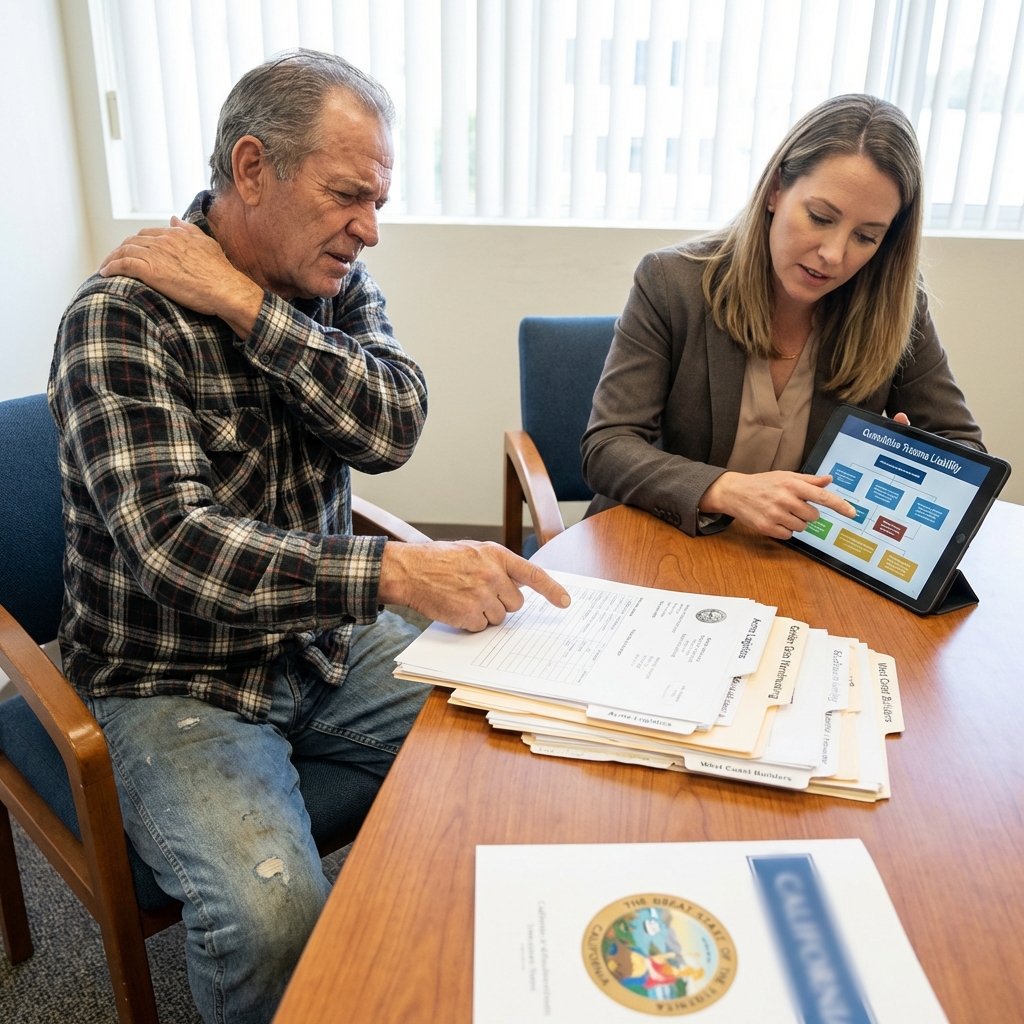
Additionally, many workers change jobs after injury without explaining the work connection to new employers. Gaps in treatment or failure to consistently attribute symptoms to your prior employment create doubt about causation. Maintain continuous medical care addressing your cumulative injury and ensure each provider understands your occupational exposure history.
Your Free Consultation: Let Us Evaluate Your Case
If you’ve developed a chronic condition from repetitive job duties, you deserve compensation under California law. We offer free legal consultations evaluating your cumulative trauma claim, explaining your rights, and discussing the best strategy for your specific situation. During our consultation, we’ll review your employment history, examine your medical records, and assess your claim’s strength against likely insurer defenses.
We understand cumulative trauma claims thoroughly because we represent injured California workers like you every day. Our multi-office locations across California mean we can meet you conveniently, and we handle all communication and documentation gathering for you. Your responsibility is simply sharing your story and working with us toward maximum recovery.
Contact us today to schedule your free consultation. We’ll answer your questions, explain what your case is worth, and outline the exact steps we’ll take to pursue your cumulative trauma claim. With our no recovery, no fee commitment, you have nothing to lose by exploring your legal options. Let us fight for the compensation you’ve earned through years of dedicated work.
For further reading: Cumulative trauma overview.
Schedule a Free Consultation Phone Number: 657 605 4418
Frequently Asked Questions (FAQ)
What is a cumulative trauma claim and how does it differ from a single incident injury?
A cumulative trauma claim involves injuries that develop gradually over time through repeated work activities or exposures across one or more employers, rather than from a single accident. We handle cases where your condition worsened through years of repetitive tasks, poor ergonomics, or ongoing occupational exposure. This distinction matters significantly because cumulative claims follow different legal procedures and have unique deadlines under California law that we navigate for you.
When I’ve worked for multiple employers, whose insurance company is responsible for my cumulative trauma claim?
California law typically holds the employer during whose tenure your cumulative trauma condition manifested responsible, though we often see disputes over which employer bears liability. We aggressively investigate your employment history, medical records, and job duties to establish when your condition actually developed and identify all potentially liable insurers. In many cases, we can pursue multiple employers or their insurers to maximize your recovery options.
What mistakes do injured workers commonly make that reduce their cumulative trauma compensation?
We frequently see workers accept initial settlement offers without understanding their full permanent disability benefits, fail to document their job duties across employers, or miss critical filing deadlines specific to cumulative claims. Many workers also neglect to report their condition to subsequent employers, which can complicate their legal position. We prevent these costly errors by handling all documentation, deadlines, and negotiations so you receive the maximum compensation you’re entitled to under California law.