
Table of Contents
- Understanding Tendonitis as a Work-Related Injury
- Why Many Workers Struggle to Obtain Tendonitis Benefits
- Medical Documentation Requirements We Require for Strong Claims
- Temporary Disability Benefits for Tendonitis Cases
- Permanent Disability Benefits and Rating Determinations
- Our Approach to Cumulative Trauma Tendonitis Claims
- Construction and Repetitive Motion Industry Tendonitis Cases
- How We Navigate Insurance Company Denials
- Psychological Impact Claims Related to Chronic Tendonitis
- Why California Work Injury Law Center Delivers Superior Results
- Getting Your Free Legal Consultation Today
- Frequently Asked Questions (FAQ)
Understanding Tendonitis as a Work-Related Injury
Tendonitis is one of the most common occupational injuries we encounter at California Work Injury Law Center, yet it remains one of the hardest to properly compensate. Workers suffering from this painful inflammation often face lengthy claim denials and benefit disputes that drag on for months. The reason is straightforward: tendonitis develops gradually through repetitive motion rather than a single traumatic event, which makes it harder to prove to insurance carriers. We’ve spent years developing strategies to overcome these obstacles and secure the disability benefits our clients deserve.
Tendonitis occurs when tendons become inflamed from repetitive stress, overuse, or forceful exertion at work. Unlike a broken bone from a single accident, tendonitis sneaks up on workers gradually. Your wrist might start aching from data entry, your shoulder might burn from assembly line work, or your knee might swell from repetitive lifting on a construction site. By the time you seek medical attention, the damage is already significant.
California’s workers’ compensation system recognizes tendonitis as a compensable injury, but the insurance industry treats it skeptically. They know that proving causation requires solid medical evidence showing a direct link between your job duties and the tendon inflammation. We’ve represented carpenters, nurses, warehouse workers, and administrative staff whose tendonitis claims initially were rejected despite clear job-related causes.
The key to securing benefits lies in establishing this causal connection early. Getting prompt medical evaluation and documenting your job tasks are the first critical steps. Many workers wait too long, thinking the pain will resolve on its own, which weakens their claim timeline.
Why Many Workers Struggle to Obtain Tendonitis Benefits
Insurance companies deny tendonitis claims for three main reasons: insufficient medical causation evidence, claims filed after job termination, and lack of proper documentation linking work activities to the injury.
The causation problem is the biggest hurdle. An insurance adjuster will question whether your tendonitis came from work or from your weekend hobbies, your commute, or simply aging. Without a physician explicitly stating that your job duties caused or substantially aggravated your condition, the insurer has grounds to deny the claim entirely. We’ve seen claims rejected because the medical report said “possible work-related cause” instead of “more likely than not work-related.”
Timing also matters enormously. If you quit your job and file a claim months later, the insurance company will argue the injury wasn’t serious enough to prevent you from working. They’ll claim you’re just now seeking compensation after the fact. We advise clients to file claims while still employed or immediately after leaving due to the injury.
Many workers also fail to document their daily work tasks and the specific motions causing pain. You might remember that your wrist hurt from typing, but can you describe exactly how many hours per day you spent at the keyboard? What ergonomic issues existed at your workstation? These details transform vague complaints into credible claims.
Our immediate action: Request a workers’ compensation claim form from your employer’s insurer today, even if you’re unsure about filing. Document your job duties in writing, including repetitive motions, hours per task, and any ergonomic problems you reported.
Medical Documentation Requirements We Require for Strong Claims
We require specific medical evidence to build a winning tendonitis case. Your physician’s report must explicitly state that your work activities caused or substantially contributed to the tendonitis. Phrases like “consistent with occupational tendonitis” or “likely work-related” are stronger than vague language.
Your medical records should include:
- Detailed history of your job duties and how they relate to the injured tendon
- Imaging studies (ultrasound, MRI, or X-rays) showing tendon inflammation or damage
- Documentation of failed conservative treatment (physical therapy, rest, anti-inflammatory medications)
- Objective clinical findings during physical examination
- Physician’s opinion on causation using the “more likely than not” standard
- Prognosis and recommendations for ongoing treatment or disability
We work with occupational medicine specialists who understand how specific jobs cause tendonitis. A specialist’s report carries substantially more weight than a general practitioner’s note. If your treating physician hasn’t explicitly addressed occupational causation, we often arrange an independent medical examination with an expert who will.
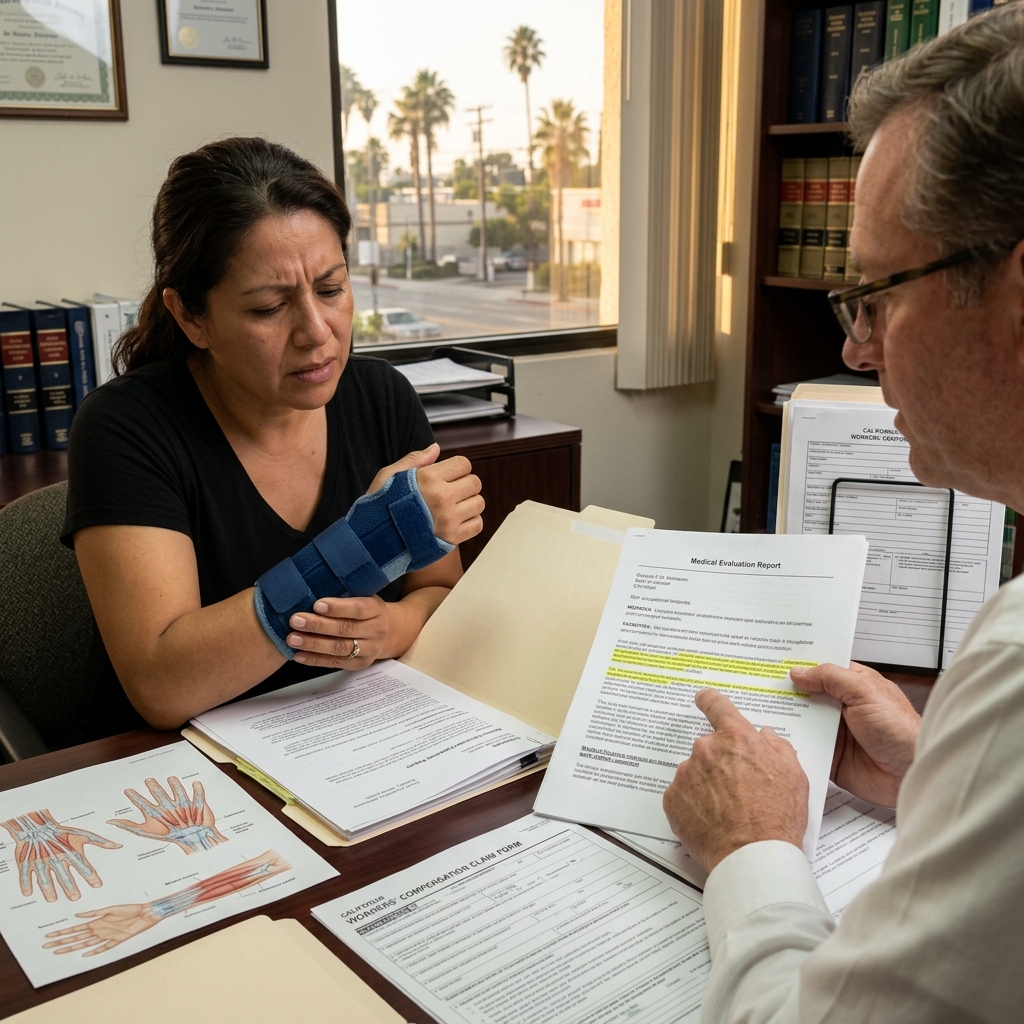
The imaging component cannot be overlooked. Insurance companies give more credibility to claims supported by ultrasound or MRI findings showing actual tissue inflammation. A purely symptomatic diagnosis without imaging is weaker, though still potentially valid with strong causal testimony.
Documentation of failed treatment is equally important. If you’ve completed six weeks of physical therapy without improvement and your physician recommends ongoing care or time off work, this supports your need for temporary or permanent disability benefits.
Temporary Disability Benefits for Tendonitis Cases
Temporary disability benefits provide wage replacement while you recover from tendonitis and cannot work. In California, you receive two-thirds of your average weekly wage, up to a maximum set by state law. These benefits typically last until your physician determines you can return to work.
Tendonitis cases often qualify for temporary disability because most workers cannot perform their regular duties while experiencing significant pain and inflammation. A carpenter cannot grip tools, a data entry clerk cannot type, and a nurse cannot lift patients. The key is having your physician formally restrict your work activities in writing.
We focus on maximizing the duration of these benefits. Some employers and insurers try to push workers back to modified duty jobs before they’re truly ready. We challenge premature return-to-work determinations by obtaining physician statements confirming the need for continued rest and treatment.
One strategy we use is scheduling regular medical appointments and therapy sessions that justify ongoing disability status. A worker receiving twice-weekly physical therapy with ongoing physician oversight has stronger justification for continued benefits than someone getting no active treatment.
The temporary disability payments must begin within two weeks of the insurer receiving your claim. If you’ve been waiting longer, we file a demand letter seeking retroactive benefits plus penalties for the delay.
Permanent Disability Benefits and Rating Determinations
If tendonitis causes permanent loss of function even after maximum medical improvement, you qualify for permanent disability benefits. California uses a Permanent Disability Rating Schedule to calculate these benefits based on your age, occupation, and the degree of impairment.
The rating process is complex and often contentious. The insurance company’s claims representative might assign a low rating based on a cursory evaluation, while your treating physician believes the impairment is more severe. We challenge underrated claims by presenting comprehensive evidence of functional limitations.
Tendonitis ratings depend on factors like range-of-motion loss, grip strength reduction, and limitations in your ability to perform your job. A surgeon with no tendonitis impairment gets rated differently than a carpenter with the same anatomical findings, because the carpenter’s occupation is more dependent on wrist and hand function.
We gather supporting documentation including:
- Functional capacity evaluations showing specific limitations
- Your physician’s detailed assessment of permanent restrictions
- Job analysis reports describing the physical demands of your position
- Evidence of unsuccessful vocational rehabilitation attempts
- Documentation of pain levels and medication requirements
Appealing an initial rating determination often results in higher awards. Insurance companies know that many injured workers accept low initial ratings rather than fight, so they lowball the first offer.
Our Approach to Cumulative Trauma Tendonitis Claims
Cumulative trauma tendonitis develops over months or years from repetitive job duties, which creates unique challenges for causation and benefit timing. Unlike acute injuries, cumulative trauma claims require us to prove that your occupation substantially caused the condition through normal job performance.
We establish the cumulative trauma timeline by documenting:
- When symptoms first appeared
- How job duties evolved or intensified over time
- Any reports you made to employers about pain or ergonomic issues
- Medical records showing the progression of inflammation
- Expert analysis linking your specific job tasks to tendon damage
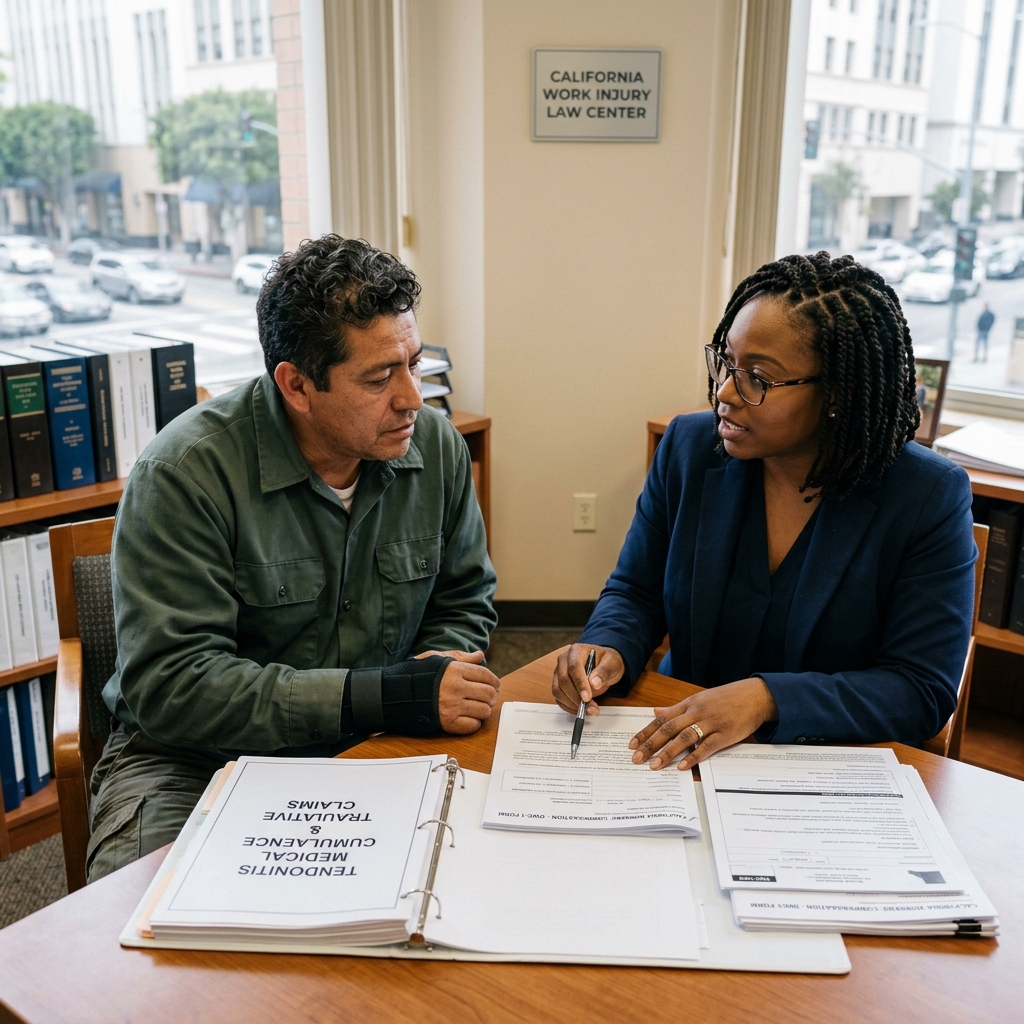
Many workers file cumulative trauma claims years after symptoms began, which complicates causation arguments. The insurer will claim natural wear and tear or age-related degeneration rather than work-related repetitive stress. We counter this by obtaining occupational medicine expert testimony explaining how the specific repetitive motions in your job substantially accelerated tissue breakdown.
One advantage of cumulative trauma claims is that they can be filed even after you’ve left the job, as long as the injury developed while you were employed. We’ve successfully pursued claims for workers who changed careers after developing tendonitis, because the injury originated from occupational exposure.
Construction and Repetitive Motion Industry Tendonitis Cases
Construction workers, assembly line employees, and manual laborers face disproportionately high tendonitis rates due to repetitive forceful exertion. We represent a substantial number of construction site injury cases where tendonitis develops from carpentry, concrete finishing, masonry, or equipment operation.
Construction claims present specific advantages. The work environment involves clear, measurable repetitive motions. A carpenter striking a hammer, a concrete finisher smoothing surfaces, or an ironworker bending rebar perform activities that obviously stress specific tendons. The causation link is often more obvious than in office environments.
However, construction claims also face unique defenses. Insurance carriers argue that construction workers assume inherent occupational hazards and that tendonitis is inevitable in the trade. They might also claim that multiple jobs or side work contributed to the injury. We address these arguments by proving that the primary job during the period of injury was the substantial factor in causing tendonitis.
Construction workers often don’t report pain immediately because they work through discomfort and fear missing wages. This delay weakens the claim timeline. We address this by obtaining testimony from coworkers about the worker’s pain and work capacity changes, plus supervisor records of any work restrictions or accommodations requested.
How We Navigate Insurance Company Denials
Tendonitis claims face denial rates significantly higher than traumatic injury claims. We handle denials through a systematic process that most workers cannot manage alone.
When an insurer denies your claim, they must provide written reasons for the denial. Common denial grounds include:
- Lack of medical causation evidence
- Non-occupational cause (hobby or sports activity)
- Pre-existing condition aggravation rather than injury
- Failure to report the injury timely
- Claim filed outside the statute of limitations
We analyze the specific denial reasons and gather rebuttal evidence. If the insurer claims insufficient causation, we obtain a comprehensive report from an occupational medicine specialist. If they argue non-occupational cause, we document your job tasks and absence of competing causes.
Many denials can be overturned through the appeals process before litigation becomes necessary. We file a timely written response to the denial decision, requesting a hearing before the Workers’ Compensation Appeals Board. At the hearing, we present medical evidence, witness testimony, and expert analysis demonstrating that the tendonitis is work-related.
If the Appeals Board upholds the denial, we evaluate whether litigation makes sense. In cases involving significant permanent disability or high future medical costs, we pursue litigation to obtain benefits. Our no recovery, no fee contingency model means you pay nothing unless we secure compensation for you.
Psychological Impact Claims Related to Chronic Tendonitis
Chronic tendonitis frequently causes psychological injury including depression, anxiety, and post-traumatic stress. Workers struggle with chronic pain, lost wages during recovery, and uncertainty about their ability to return to work. We recognize these psychological impacts as compensable injuries deserving their own benefits.
California allows workers’ compensation claims for psychiatric injury arising from occupational conditions. A worker with chronic tendonitis who develops depression from chronic pain and lost work capacity has a valid psychological injury claim if properly documented.
Pursuing these claims requires psychiatric or psychological evaluation establishing:

- The psychiatric diagnosis (depression, anxiety disorder, PTSD)
- Clear causation linking the tendonitis and its consequences to the mental health condition
- Treatment recommendations and prognosis
- Functional limitations resulting from the psychiatric injury
Insurance companies contest psychological claims aggressively, arguing that normal emotional responses to injury don’t constitute compensable psychiatric injury. We overcome this resistance with expert mental health testimony and documentation showing clinical-level psychiatric conditions requiring treatment.
Why California Work Injury Law Center Delivers Superior Results
We’ve built our reputation on tendonitis cases specifically. Our attorneys and medical experts understand the nuances of causation evidence, rating determinations, and insurance company denial tactics. Unlike general practice law firms, we focus exclusively on workers’ compensation, which means every case we handle informs our strategy and knowledge.
Our contingency fee model aligns our interests with yours. We only succeed when you receive compensation. We refuse cases we don’t believe can win, which means we concentrate our resources on strong claims we’ll actually pursue to settlement or verdict.
We maintain relationships with occupational medicine specialists, functional capacity evaluators, and vocational experts who understand how to present evidence that insurance companies respect. Our medical experts don’t just evaluate your condition, they translate clinical findings into clear language about causation and functional impact.
Our experience navigating insurance company denials gives us specific tactical advantages. We know which arguments succeed with which insurers and appeals boards. We understand the decision-makers’ priorities and frame evidence accordingly. We’ve reviewed thousands of tendonitis cases, which means we’ve encountered nearly every defense the insurance industry presents.
Most importantly, we pursue claims aggressively. While many workers’ compensation firms settle quickly to clear their caseload, we invest in cases requiring investigation, expert testimony, and appeals when necessary. Our clients receive the compensation their injuries warrant, not the minimum the insurance company initially offers.
Getting Your Free Legal Consultation Today
If you’ve suffered workplace tendonitis in California, your next step is a free, confidential legal consultation with our experienced team. During this conversation, we’ll evaluate your case, identify the strongest compensation claims available, and explain exactly how we’ll fight for your benefits.
Contact California Work Injury Law Center today by visiting https://cwilc.com or calling to schedule your consultation. We represent injured workers throughout California at multiple office locations, and we’ll work with you to understand your options. Our no recovery, no fee promise means you risk nothing by exploring your claim with us. Let us handle the insurance company negotiations while you focus on recovery.
Schedule a Free Consultation Phone Number: 657 605 4418
Frequently Asked Questions (FAQ)
What medical documentation do we need to strengthen a tendonitis workers’ compensation claim?
We require detailed medical records showing the diagnosis, imaging results (such as ultrasound or MRI), treatment history, and your doctor’s opinion connecting the tendonitis to your work activities. Additionally, we need documentation of your job duties and the repetitive motions or conditions that caused the injury. The stronger your medical foundation, the better we can argue for both temporary and permanent disability benefits on your behalf.
How do we handle insurance company denials of tendonitis claims?
We aggressively challenge denials by gathering additional medical evidence, obtaining independent medical examinations, and filing appeals with supporting legal arguments about the work-related nature of your condition. Our team knows the common tactics insurers use to reject tendonitis claims, and we counter them with comprehensive documentation and litigation experience. If necessary, we take your case through the workers’ compensation appeals process to ensure you receive the benefits you deserve.
Will we charge you fees if we don’t recover benefits for your tendonitis case?
No. We work on a contingency basis, which means we receive no payment unless we secure compensation for you. This allows you to pursue your claim without financial risk while we handle all legal expenses and negotiations with the insurance company.