
Table of Contents
- Understanding Permanent Disability Apportionment in California
- Why Apportionment Affects Your Workers Compensation Award
- The Difference Between Apportionable and Non-Apportionable Conditions
- How Pre-Existing Conditions Impact Your Permanent Disability Rating
- The Role of Medical Evidence in Apportionment Decisions
- Calculating Your Award After Apportionment Is Applied
- Common Apportionment Disputes and How We Resolve Them
- Protecting Your Right to Full Compensation
- Why You Need Expert Legal Representation for Apportionment Cases
- How We Help California Workers Fight Unfair Apportionment Reductions
- Frequently Asked Questions (FAQ)
Understanding Permanent Disability Apportionment in California
Permanent disability apportionment is a legal mechanism that reduces your workers compensation award when the insurance company claims part of your disability stems from pre-existing conditions rather than your workplace injury. When you suffer an occupational injury in California, you’re entitled to compensation for the permanent impairment it causes. However, if you had prior injuries or medical conditions affecting the same body part, the insurer may argue that only a portion of your current disability deserves payment.
This doctrine exists under California law (Labor Code Section 4664) and fundamentally shapes how much compensation injured workers ultimately receive. Understanding apportionment isn’t just legal detail work—it directly impacts your financial recovery. An insurer might claim your back disability is only 40% attributable to your current workplace injury, with the remaining 60% due to a previous car accident or degenerative disc disease. If your full permanent disability award would be $75,000, apportionment could reduce it to just $30,000.
We’ve handled hundreds of cases where workers discovered their awards were slashed due to apportionment claims they didn’t fully understand. The rules are complex, and insurance companies employ them strategically to minimize payouts. Knowing how apportionment works puts you in a stronger position to protect your rights.
Why Apportionment Affects Your Workers Compensation Award
Apportionment reduces your permanent disability award by attributing a percentage of your current condition to causes unrelated to your workplace injury. This matters because California’s workers compensation system is designed to compensate only for work-related harm. If an insurer can successfully argue that 50% of your disability existed before your occupational injury occurred, they pay only for the remaining 50%.
The financial impact can be substantial. Consider a construction worker who sustains a severe knee injury on the job but had prior knee surgery from a sports injury years earlier. The insurer introduces medical records showing pre-existing cartilage damage. They claim your current disability is 35% attributable to that pre-existing condition and 65% to the workplace injury. Your total award gets multiplied by 0.65, immediately reducing what you receive.
Beyond the initial award reduction, apportionment also affects ongoing benefits. If your condition worsens and you later file for increasing permanent disability, apportionment percentages established in your original case may apply to future calculations as well. This compounds the financial consequences over time.
Your takeaway: Request a detailed breakdown of how the insurer calculated any apportionment percentage they propose. Don’t accept vague claims about pre-existing conditions without medical evidence supporting the specific percentage reduction.
The Difference Between Apportionable and Non-Apportionable Conditions
Not every pre-existing medical issue qualifies for apportionment under California law. The distinction between apportionable and non-apportionable conditions determines whether the insurance company can reduce your award at all.
Apportionable conditions are those where a pre-existing condition directly contributed to your current permanent disability. These include:
- Prior injuries to the same body part (previous fractures, sprains, or surgeries)
- Degenerative disc disease or joint deterioration documented before your injury
- Pre-existing occupational diseases affecting the same anatomical region
- Chronic pain conditions predating your workplace injury
Non-apportionable conditions are separate medical issues unrelated to your injury. For example, if you have diabetes or high blood pressure unrelated to your workplace injury, the insurer cannot use these to reduce your permanent disability award for a work-caused knee injury. Similarly, injuries to completely different body parts typically cannot be apportioned.
The critical question is causation: Did the pre-existing condition directly impact or worsen your current disability? A worker with mild, asymptomatic arthritis in one knee who then suffers a severe traumatic knee injury at work presents a different apportionment scenario than a worker with documented progressive knee degeneration before the occupational injury.

We’ve seen insurers improperly attempt to apportion non-apportionable conditions. Your protection is understanding this distinction and challenging apportionment claims that lack legitimate medical connection to your injury.
How Pre-Existing Conditions Impact Your Permanent Disability Rating
Pre-existing conditions affect your disability rating through the apportionment calculation, but understanding the mechanics helps you evaluate whether an insurer’s position is reasonable. Your permanent disability rating is typically determined by a Qualified Medical Examiner (QME) using the California Permanent Disability Rating Schedule (PDRS).
When a pre-existing condition exists, the medical examiner must separately evaluate how much of your current impairment traces to the work injury versus the pre-existing problem. This requires comparing your condition before the occupational injury to your condition after it. Medical records become crucial here. If you have documented baseline health status from medical visits before your workplace injury, those records establish what your condition was prior to the job-related harm.
The examiner might conclude you had a 10% permanent impairment from a prior shoulder issue, your workplace injury added another 15% impairment, and your total current impairment is 23% (not simply 25%, due to how impairment percentages combine). The apportionment percentage would then isolate what portion of that 23% stems from the new workplace injury versus the pre-existing condition.
Here’s where insurer strategy appears: They may hire their own medical experts who inflate the pre-existing condition’s impact on your current disability. We’ve reviewed cases where insurers’ doctors claimed a pre-existing mild disc bulge caused 60% of a worker’s current severe spinal disability following a traumatic on-the-job injury. The medical science often doesn’t support such aggressive apportionment percentages.
Get your own independent medical evaluation if the insurer’s apportionment claim seems excessive relative to your medical history and the severity of your workplace injury.
The Role of Medical Evidence in Apportionment Decisions
Medical evidence is the foundation of any apportionment determination, which means the quality and completeness of medical documentation directly affects whether an insurer’s apportionment claim succeeds or fails. Your medical records before and after the workplace injury tell the story of what changed due to your occupational harm.
Medical evidence supporting apportionment includes:
- Prior imaging studies (X-rays, MRI, CT scans) showing pre-existing conditions
- Historical medical notes documenting symptoms before the injury date
- Prior treatment records for related conditions
- Medical opinions from examining physicians about causation
Medical evidence supporting your position includes:
- Records showing you were asymptomatic or minimally affected before the injury
- Medical notes indicating your condition significantly worsened after the workplace injury
- Expert opinions that the pre-existing condition had minimal impact on your current disability
- Functional capacity evaluations showing capability before injury versus current limitations
The challenge is that insurance companies control initial claims processes and often gather medical records strategically. They may locate years-old medical notes while missing recent records that would help your case. We often find insurers cherry-picking evidence that supports apportionment while ignoring contradictory medical information.
If you discovered you have a pre-existing condition mentioned in medical records, authorize release of all your medical history with relevant providers, not just the records the insurer requests. Gaps in documentation work against you, as insurers will assume the worst.
Calculating Your Award After Apportionment Is Applied
Once an apportionment percentage is determined, calculating your reduced award requires understanding the baseline permanent disability benefit structure. California’s workers compensation system provides permanent disability awards based on your permanent disability rating, age at injury, and year of injury.

The apportionment calculation works like this: Your full permanent disability award (before apportionment) is multiplied by the percentage attributable to the workplace injury. If your calculated permanent disability award is $100,000 and the insurer’s apportionment determination is 60%, you receive $60,000. The insurer retains the difference.
The year of injury matters because California benefit levels increase annually with inflation adjustments. A worker injured in 2024 receives higher permanent disability benefits than an identical injury in 2022. Apportionment percentages, however, apply to whatever benefit amount your specific case qualifies for.
Additional complications arise when apportionment intersects with vocational rehabilitation entitlements, lifetime medical treatment rights, and supplemental job displacement vouchers. Not all benefits reduce equally under apportionment rules, and some protections may remain unaffected.
We calculate permanent disability awards by first identifying your base rating, determining applicable benefit levels for your injury year, then clearly showing how any apportionment percentage reduces that award. This detailed breakdown reveals whether the insurer’s apportionment figure is mathematically correct, even if the percentage itself is disputed.
Common Apportionment Disputes and How We Resolve Them
Apportionment disputes typically involve disagreements about the percentage attributable to pre-existing conditions versus the workplace injury. We’ve identified recurring apportionment disputes that appear regularly in California workers compensation cases.
The most common disputes involve:
- Degenerative conditions: Insurers claim pre-existing degenerative disc disease caused 50-70% of disability; injured workers argue the workplace trauma caused the primary disability increase
- Multiple prior injuries: Workers with history of injuries to the same body part face aggressive apportionment claims
- Asymptomatic pre-existing conditions: Medical records show a pre-existing condition existed but caused no symptoms; insurer apportions it anyway
- Conflicting medical opinions: QME and treating physician disagree on what pre-existing condition contributed to current disability
Resolving these disputes requires both medical expertise and legal strategy. We work with occupational medicine specialists and orthopedic experts who challenge insurers’ apportionment percentages with rigorous medical analysis. When the insurer’s doctor claimed a worker’s current back disability was 55% attributable to pre-existing degenerative changes, our retained specialist reviewed imaging and treatment history, establishing those changes were minimal and asymptomatic before the workplace injury, reducing the defensible apportionment percentage to 15%.
If apportionment disputes can’t be resolved through demand letters and negotiation, we’re prepared to litigate before a workers compensation judge, presenting medical testimony that contradicts the insurer’s apportionment percentage.
Protecting Your Right to Full Compensation
Protecting yourself from unfair apportionment starts with recognizing apportionment claims early and responding strategically. When you receive apportionment documentation from the insurer or their medical examiner mentions pre-existing conditions, don’t ignore it or assume it’s accurate.
Take these protective steps:
- Request the complete medical file the insurer reviewed when determining apportionment
- Have all your pre-injury medical records compiled and organized by date
- Obtain medical opinions from your treating physicians specifically addressing whether pre-existing conditions contributed to your current disability
- Document your functional abilities before and after the workplace injury
- Request independent medical examination if insurer apportionment seems excessive
Apportionment determinations can be challenged and modified through the workers compensation appeals process. Many injured workers don’t realize that unsatisfactory apportionment decisions can be litigated. The insurer’s apportionment percentage isn’t final unless you accept it or time to appeal expires.
We ensure clients understand their apportionment documentation and rights to challenge it. Some workers accept reduced awards thinking they have no alternative, when in reality, the apportionment percentage lacks solid medical support and can be successfully contested.
Why You Need Expert Legal Representation for Apportionment Cases
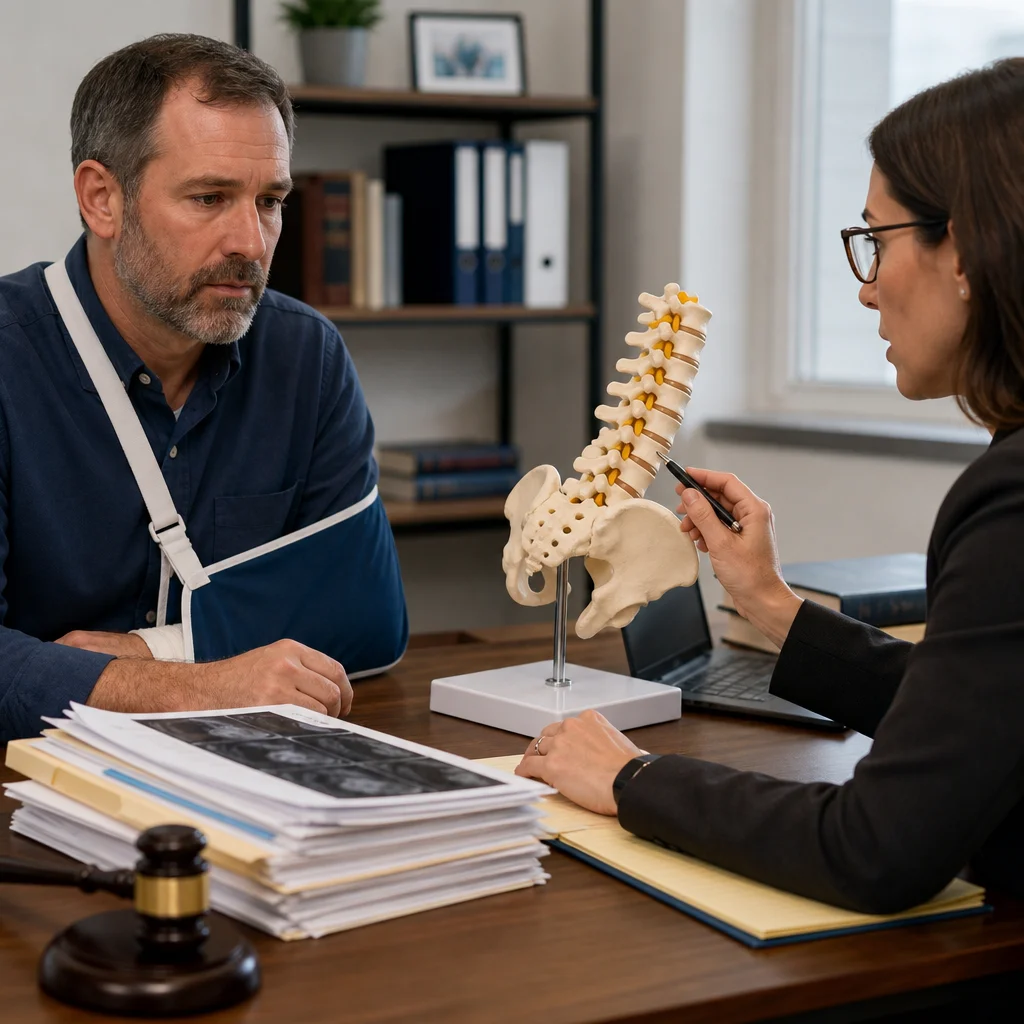
Apportionment law is technical and constantly evolving through California court decisions. Insurance companies employ experienced adjusters and medical consultants specifically trained in apportionment strategy. Facing them alone puts you at disadvantage, particularly since apportionment directly reduces your financial recovery.
We bring several advantages to apportionment disputes. First, we understand the legal standards courts apply when evaluating apportionment claims. Apportionment must be supported by substantial medical evidence, not speculation. We know which medical arguments have succeeded in California courtrooms and which fall short. Second, we’ve developed relationships with occupational medicine specialists and other experts who provide credible medical opinions challenging aggressive apportionment determinations.
Third, we’ve seen the patterns in how individual insurers and their medical consultants approach apportionment. We know which companies systematically overstate pre-existing condition contributions and which insurers tend toward more reasonable apportionment figures. This knowledge informs our negotiating positions and litigation strategies.
Perhaps most importantly, we handle apportionment disputes on a no recovery, no fee basis. You don’t pay attorney fees unless we recover additional benefits for you. This means we only proceed with apportionment litigation when we believe the insurer’s position is vulnerable and contestable.
How We Help California Workers Fight Unfair Apportionment Reductions
Our approach to fighting unfair apportionment reductions combines aggressive investigation, strong medical evidence, and strategic negotiation or litigation. When a client is facing apportionment, we immediately subpoena all medical records from before and after the injury to establish what conditions existed beforehand and how the workplace injury changed their health.
We retain independent medical examiners who specifically address apportionment in their evaluations. Instead of accepting the insurer’s medical expert’s conclusions, we present competing medical testimony establishing that the pre-existing condition contributed minimally to current disability or that the workplace injury independently caused the substantial disability the worker experiences.
Our litigation team prepares apportionment cases for trial before workers compensation judges. We present medical testimony, cross-examine the insurer’s experts, and argue the law governing apportionment. We’ve successfully reduced or eliminated apportionment percentages through demonstrating that insurers’ medical opinions lacked substantial support or misapplied California’s apportionment standards.
If you’re facing apportionment reduction to your permanent disability award, we offer a free legal consultation to evaluate your case. We’ll review your medical records, explain how apportionment affects your specific situation, and outline whether fighting the insurer’s apportionment claim is likely to recover additional benefits for you. Contact us today at our California office locations, and let’s discuss protecting your rightful compensation.
Schedule a Free Consultation Phone Number: 657 605 4418
Frequently Asked Questions (FAQ)
What does apportionment mean in my workers compensation case?
Apportionment is when the insurance company reduces your permanent disability award by claiming that some of your injury was caused by pre-existing conditions rather than your workplace injury. We work to challenge these reductions by gathering medical evidence that demonstrates your work injury is the primary cause of your disability, not conditions you had before the accident.
How can pre-existing conditions affect my permanent disability benefits?
Under California law, insurers can apportion fault to pre-existing conditions, which may lower your award. However, we fight to protect your compensation by proving that your workplace injury substantially aggravated or worsened any existing conditions. Our medical experts help establish the true connection between your work injury and current disability.
Why should I hire us to handle apportionment disputes?
Apportionment cases are complex and require specialized knowledge of California’s permanent disability rating system and medical evidence standards. We have extensive experience successfully challenging unfair apportionment decisions, and we work on a no recovery, no fee basis, so you pay nothing unless we win your case.