
Table of Contents
- 1. You Were Terminated Based on Discriminatory Reasons
- 2. Retaliation After Reporting Workplace Safety Violations
- 3. Breach of Employment Contract or Written Agreement
- 4. Violation of Public Policy or Labor Laws
- 5. Constructive Dismissal and Hostile Work Environment Claims
- 6. Protecting Your Rights With a Contingency Fee Attorney
- 7. Why California Work Injury Law Center Stands Apart
- Frequently Asked Questions (FAQ)
1. You Were Terminated Based on Discriminatory Reasons
Being fired from your job is stressful enough. When that termination violates California employment law, it becomes a legal matter that can affect your finances, your career, and your sense of security. Not every dismissal qualifies as wrongful termination, but certain red flags tell you it’s time to consult an experienced employment attorney.
At California Work Injury Law Center, we’ve represented countless workers whose terminations crossed legal lines. We understand the confusion and frustration you’re experiencing right now. The seven signs below will help you determine whether you have a case worth pursuing and when to seek professional guidance.
California law strictly prohibits firing employees because of protected characteristics. If your employer terminated you based on race, gender, age (40 or older), religion, disability, national origin, sexual orientation, or gender identity, that’s illegal discrimination.
The challenge is that employers rarely state discrimination as the reason. They’ll say “performance issues” or “restructuring” when the real motivation was your protected status. We look for patterns: Were other employees with similar performance issues kept on? Did your termination follow a complaint about discrimination? Did management make comments about your race, gender, or other protected characteristic before the firing?
Consider this scenario: You’re a 58-year-old manager who receives positive reviews for years. Suddenly, the company hires younger staff and pushes you out, citing “cultural fit.” That timing and language combination raises age discrimination red flags.
What to do next: Document everything from your employment record, including performance reviews, emails, and witness statements. Note any comments about your protected characteristics, no matter how casual they seemed at the time.
2. Retaliation After Reporting Workplace Safety Violations
California’s labor code protects workers who report safety violations to their employer or to Cal/OSHA. If you were fired, demoted, or had your hours cut after reporting unsafe conditions, hazardous materials, or OSHA violations, that’s illegal retaliation.
This protection applies whether you reported internally to management or directly to regulatory agencies. You don’t need to prove the safety violation was serious; you only need to show you engaged in a protected activity and faced adverse employment action afterward.

Retaliation cases often involve construction sites, manufacturing facilities, and healthcare settings where safety is paramount. One worker reported that equipment lacked proper safety guards, then was suddenly terminated “for attendance” when his attendance record was previously clean. The timing and shift in reasoning suggested retaliation.
What to do next: Keep records of your safety complaint, including dates, who you reported to, and what you reported. Document any negative employment actions that followed within weeks or months of your report.
3. Breach of Employment Contract or Written Agreement
If you had an employment contract, offer letter, or other written agreement with specific terms, your employer must follow them. Terminating you in violation of those terms gives you grounds for a breach of contract claim.
This includes implied contracts. If your employee handbook stated you’d only be terminated “for cause” and you were fired without cause, that handbook language may create enforceable contract terms. Some industries rely heavily on written agreements about compensation, severance, or job security.
An example: You signed an employment agreement stating you couldn’t be terminated without 30 days’ notice and a performance improvement plan. Your employer fired you immediately without following those steps. That’s a clear breach, separate from any wrongful termination claim.
What to do next: Gather all written agreements, offer letters, and employee handbooks you received. Highlight the specific language about how termination should occur.
4. Violation of Public Policy or Labor Laws
California recognizes “public policy” wrongful termination claims when an employer fires you for reasons that violate fundamental state policy. Common examples include:
- Termination for serving on jury duty
- Firing for taking legally protected family or medical leave (FMLA, CFRA)
- Dismissal for refusing to commit an illegal act
- Discharge for exercising wage and hour rights
You might also be wrongfully terminated if your employer violated specific California labor laws leading up to the firing. These violations create a pattern showing the termination itself was unlawful.
A worker refused to falsify safety records as instructed. When he reported the instruction to management, he was terminated shortly after. Firing someone for refusing illegal conduct violates public policy.
What to do next: Review what happened in the weeks before your termination. Were you reporting safety issues, requesting leave, or refusing an illegal directive? Connect the dots between your protected activity and the firing.
5. Constructive Dismissal and Hostile Work Environment Claims
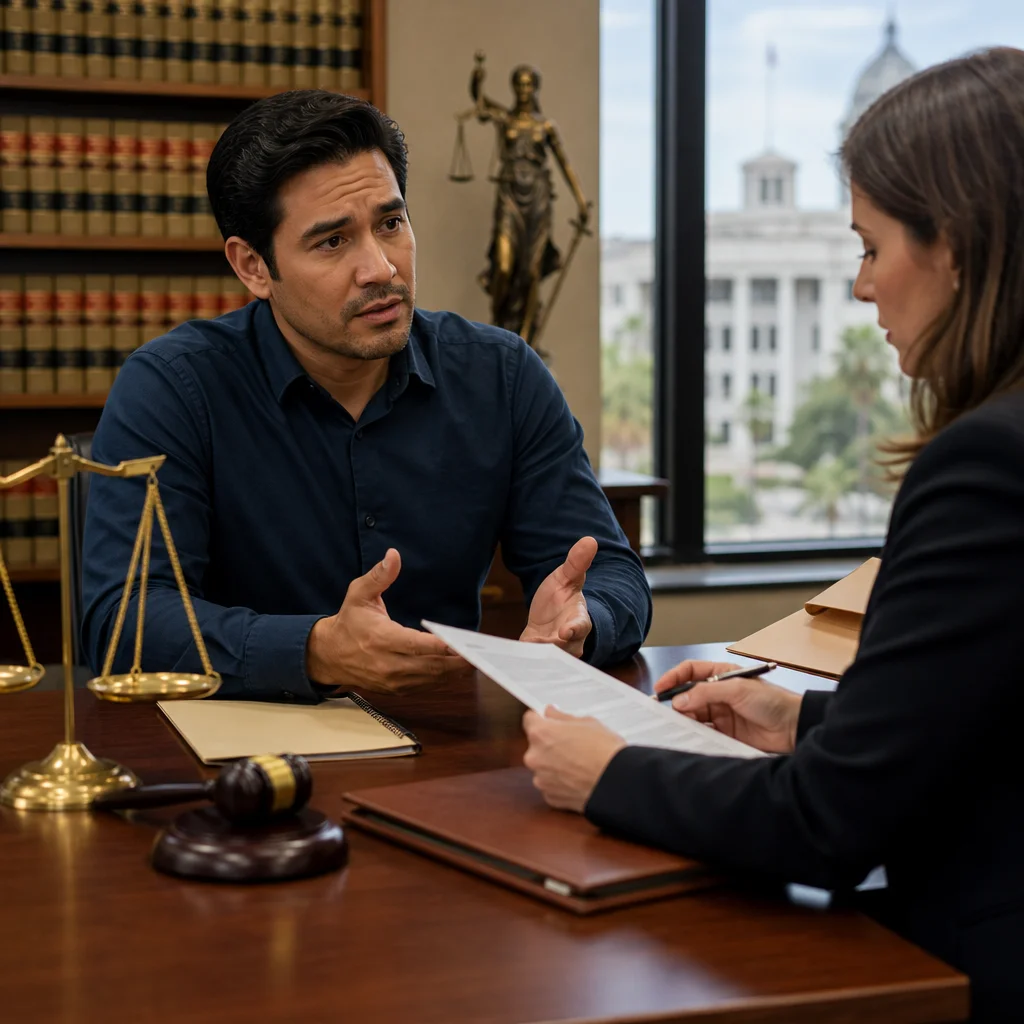
Sometimes employers don’t fire you outright. Instead, they make your job so unbearable that you’re forced to resign. California recognizes this as “constructive dismissal,” and you may have legal recourse.
A hostile work environment involves ongoing harassment, discrimination, or abusive treatment so severe that a reasonable person would quit. The hostility must be based on a protected characteristic and must be pervasive, not just isolated incidents.
Understand that one bad comment or a single argument doesn’t create actionable hostility. You need a pattern: repeated slurs, exclusion from opportunities, or systematic mistreatment that no reasonable employee should have to endure. If you documented this pattern and eventually resigned, you may have a claim.
Learn more about what constitutes a hostile work environment and how California law protects you.
What to do next: Keep a detailed log of hostile incidents with dates, people involved, and witness names. If you resigned due to this environment, write down your reasons and how the situation became untenable.
6. Protecting Your Rights With a Contingency Fee Attorney
Many people don’t pursue wrongful termination claims because they worry about legal costs. That’s where contingency fee arrangements come in. With a contingency wrongful termination attorney, you pay nothing upfront. Your lawyer is paid only if you win or settle your case.
This model aligns our interests with yours. We only get paid when we recover money for you. We carefully evaluate cases before taking them on, ensuring we believe in the strength of your claim.
Contingency arrangements remove the financial barrier to justice. You’re not choosing between paying rent and affording legal representation. Instead, you can pursue your rightful compensation without personal financial risk.
What to do next: When you call a law firm, ask explicitly whether they handle wrongful termination on a contingency fee basis. This detail matters significantly to your financial situation.
7. Why California Work Injury Law Center Stands Apart

We distinguish ourselves through focused expertise and genuine commitment to injured and wrongfully terminated workers throughout California. While many general employment law firms handle dozens of practice areas, we concentrate specifically on workers’ compensation, occupational injuries, and employment law violations.
Our no-recovery, no-fee contingency model means we’re invested in your success. We have multiple office locations across California, making it convenient for you to consult with us. We offer free legal consultations, so you can discuss your situation without financial obligation before deciding whether to proceed.
What truly sets us apart is our understanding of how workplace injuries and wrongful termination intersect. When you’re injured and then terminated, the stakes are even higher. We handle wrongful termination after workplace injury cases because we understand the unique vulnerabilities injured workers face.
We take the time to evaluate your specific circumstances. We explain the law in plain language and provide honest assessments of your case. If we represent you, you know we’re not simply taking every client through the door; we’ve genuinely believed in your claim.
Your next step: Contact us for a free consultation. Call during business hours or visit our website to schedule your appointment. Bring any relevant documents: employment contracts, offer letters, performance reviews, emails, and notes about what happened. We’ll listen to your story, explain your legal options, and discuss how we can help you pursue the compensation you deserve. You don’t face this alone.
Schedule a Free Consultation Phone Number: 657 605 4418
Frequently Asked Questions (FAQ)
Do we handle wrongful termination cases on contingency?
Yes, we represent clients on a no recovery, no fee basis, which means you pay nothing unless we successfully recover compensation for your case. This contingency model removes financial barriers for injured workers and ensures our interests align with yours throughout the legal process.
What types of wrongful termination claims do we handle?
We handle a wide range of wrongful termination cases including discriminatory terminations, retaliation for reporting safety violations, breach of employment contract, constructive dismissal, and violations of California public policy and labor laws. Our team has extensive experience representing employees across all industries, including construction and other high-risk occupations.
Why should we choose California Work Injury Law Center over other attorneys?
We combine deep expertise in workers’ compensation law with specialized knowledge of employment disputes and occupational injury claims. Our multiple office locations throughout California, free legal consultations, and proven track record of securing substantial compensation for our clients make us uniquely positioned to protect your rights and maximize your recovery.